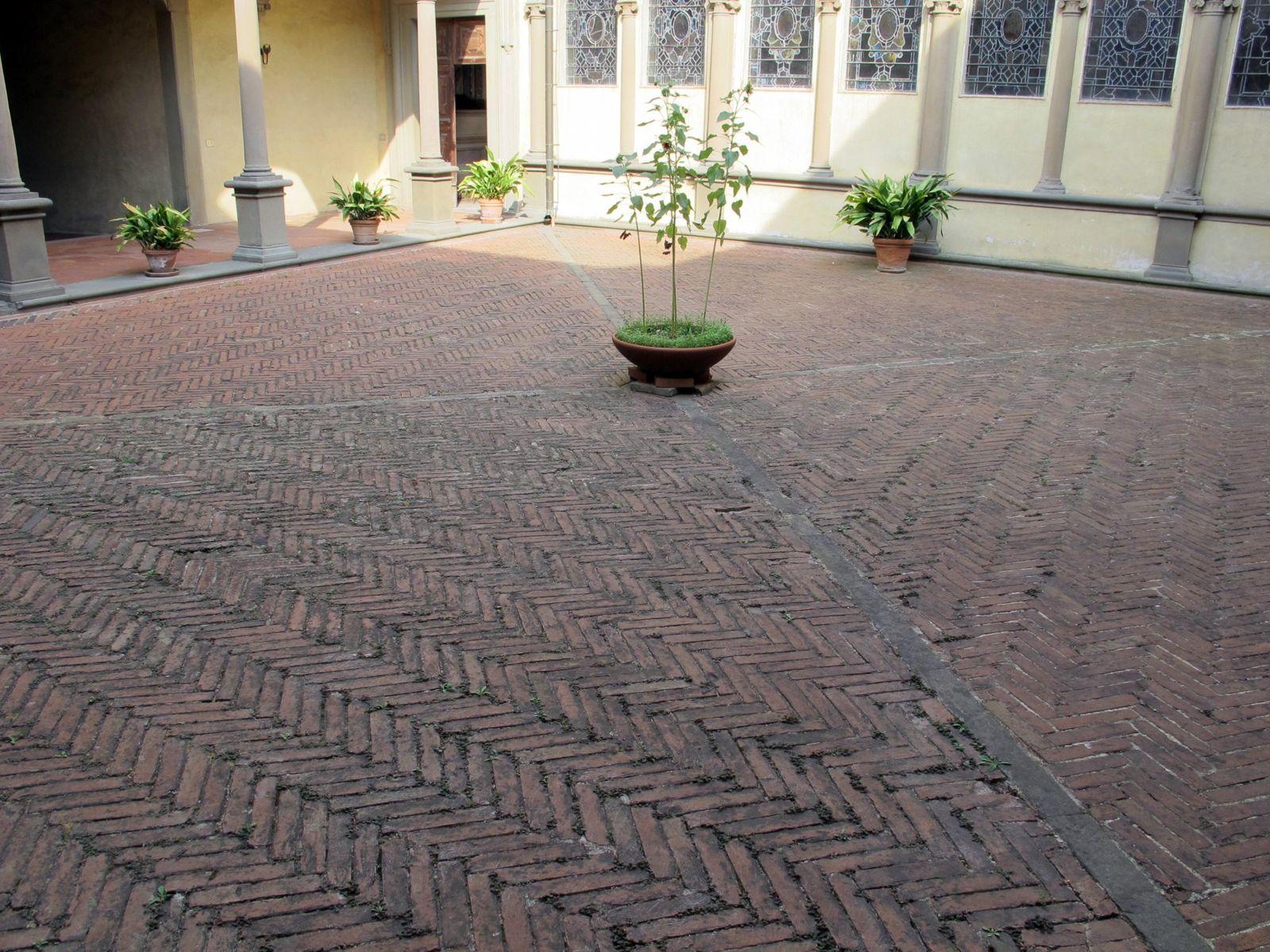
Choosing a floor for a house in Istria is not quite the same as choosing one at home in Munich, Manchester or Utrecht. Summers are long and hot, people walk in from the beach with sand on their feet, many houses stand empty for months, and old stone houses often have uneven, slightly damp ground floors.
Below we compare the main options: porcelain tiles, natural stone, terracotta, laminate and vinyl, and real wood. We also look at what lies underneath, because in an old house the subfloor usually decides more than the surface.
What a floor in Istria has to cope with
- Heat. A cool floor is a pleasure in August. Tiles and stone stay cool; wood and laminate feel warmer underfoot.
- Damp from below. Ground floors of old stone houses and konobas often sit directly on earth or an old slab without a damp barrier. Moisture-sensitive floors suffer there.
- Sand, water and wear. Rentals and holiday homes see wet swimsuits, sand, suitcases and outdoor furniture dragged in from the terrace.
- Empty months. A house closed for the winter, with no heating, has more humidity swings. Some materials react to that more than others.
Porcelain tiles: the safe all-rounder
Porcelain tiles are the most common floor in Istrian houses and apartments, and for most rooms they are the safest choice.
- Pros. Waterproof, very hard-wearing, easy to clean, cool in summer, unaffected by damp from below, work well with underfloor heating. Available in stone, concrete and wood looks.
- Cons. Cold in winter without heating, hard underfoot, noisy in apartments without good sound insulation. Large-format tiles need a very flat base and an experienced tiler.
- Tip. For terraces, entrances and bathrooms choose a tile with a non-slip rating suitable for wet areas, and a frost-resistant tile outside, especially inland where winter nights can drop below zero.
Good tiling is mostly about preparation: a level screed, the right adhesive, and movement joints at the edges and in large areas. Our article on bathroom renovation for a holiday home covers tiling in wet rooms in more detail.
Natural stone and terracotta: the traditional look
Istria has a long tradition of stone, and a limestone floor or handmade terracotta tiles can look exactly right in an old farmhouse or a restored konoba.
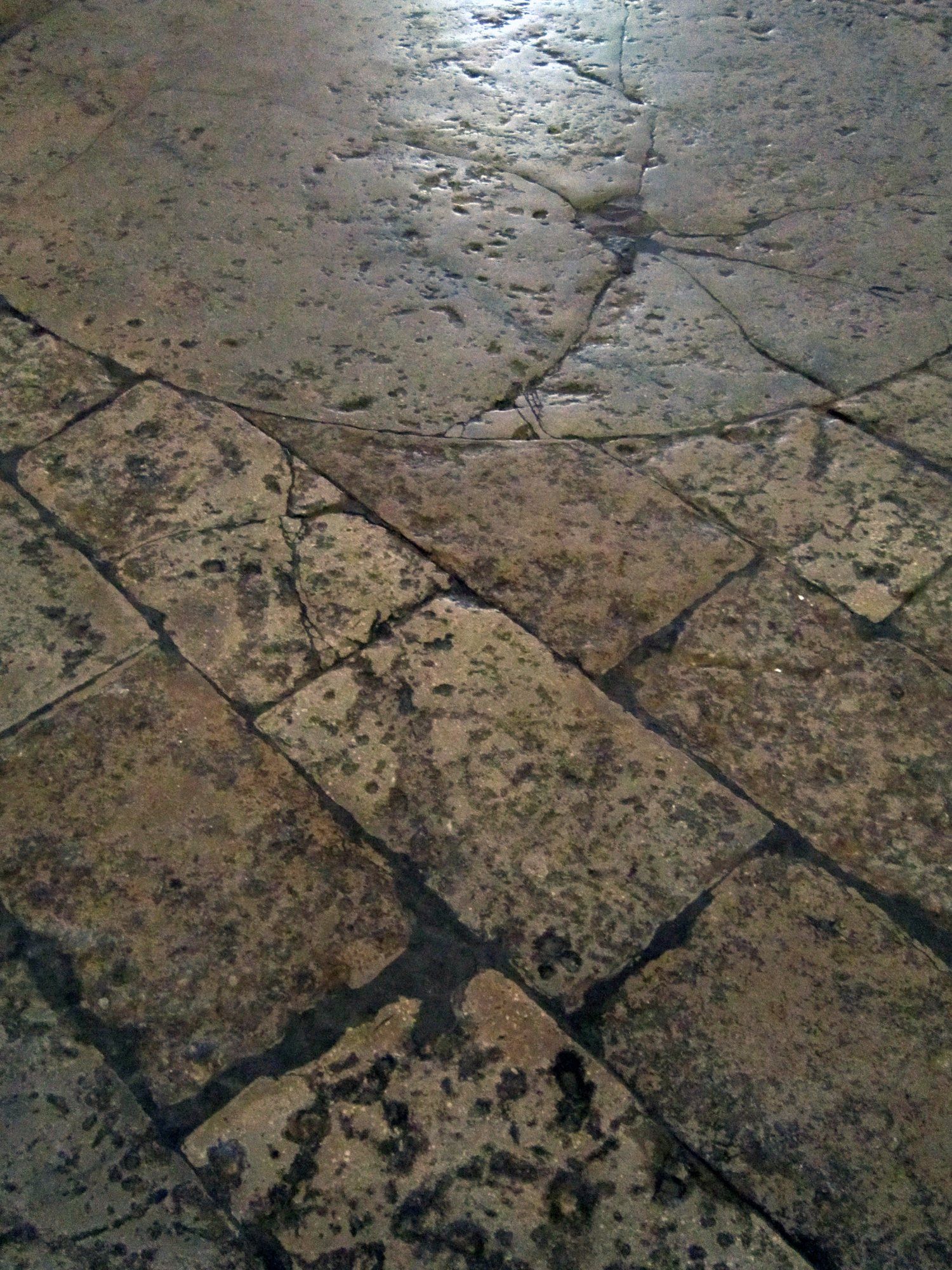
- Limestone and other natural stone. Beautiful, durable and cool, ages well. It is porous, so it needs sealing and occasional resealing, and acidic things (wine, lemon, some cleaning products) can mark it. Usually more expensive than porcelain to buy and lay.
- Terracotta (cotto). Warm colour, traditional feel, nice under bare feet. Also porous and needs sealing or waxing; it stains if neglected and softer types wear in busy areas.
- Reclaimed stone and old tiles. Sometimes the original floor in an old house can be lifted, cleaned and relaid. It is slow work but often worth it in a stone house.
Breathable stone and terracotta floors laid on a lime-based bed can suit an old stone ground floor where a fully sealed modern build-up would trap damp. This should be decided after looking at the actual floor, not from a catalogue.
Laminate and vinyl: affordable and quick
Laminate is popular in bedrooms and living rooms in apartments and newer houses. Modern vinyl (often called LVT or SPC) looks similar but handles water much better.
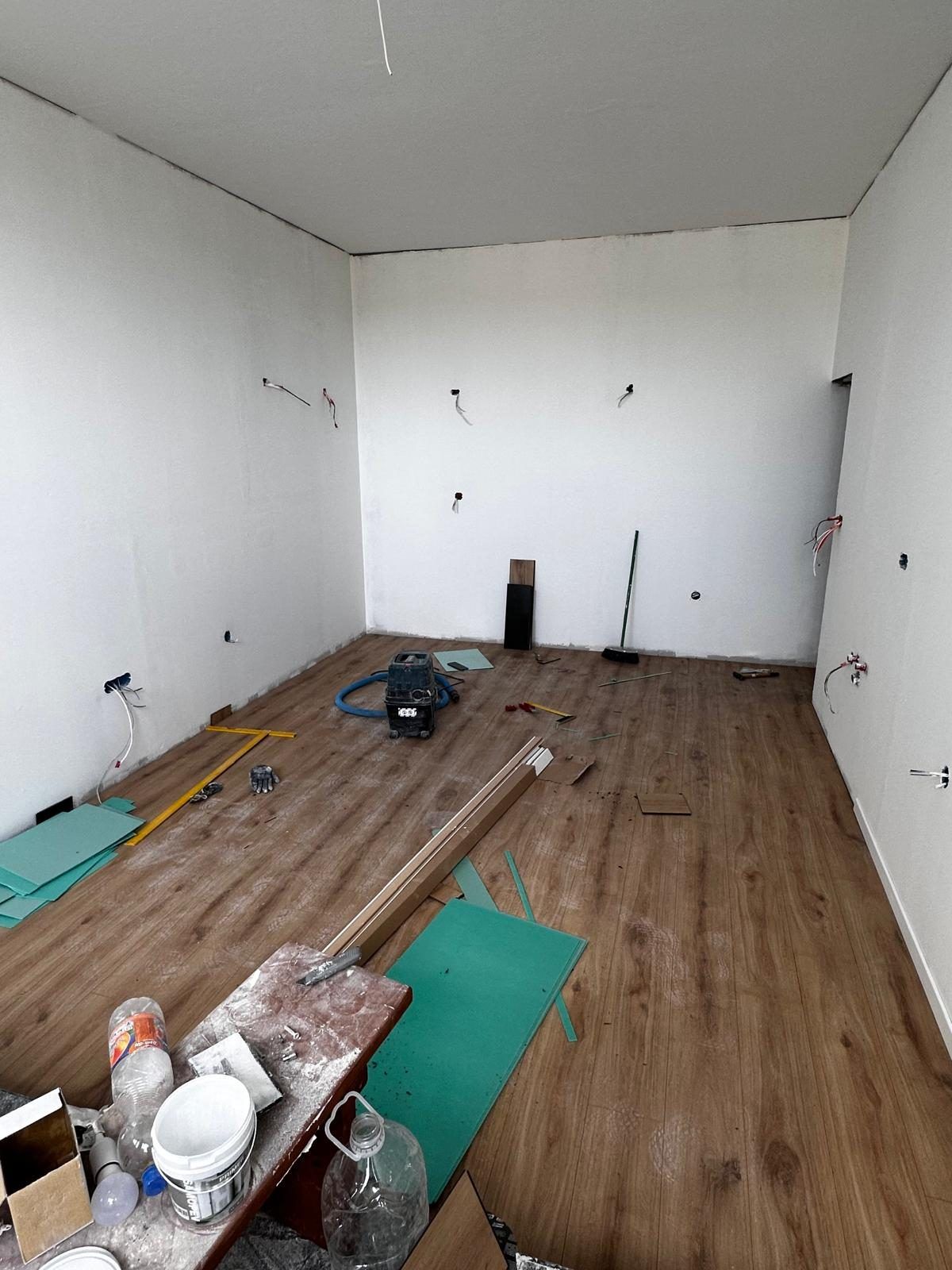
- Laminate pros. Affordable, fast to install, warmer and softer underfoot than tiles, many wood looks.
- Laminate cons. Does not like water. Standing water, wet swimsuits and leaks can swell the edges. Not for bathrooms, and not a good idea on damp ground floors.
- Vinyl pros. Water-resistant, quiet, comfortable, can go in kitchens and some bathrooms.
- Vinyl cons. Can be marked by heavy furniture, and some products expand in strong direct sun from large south-facing windows. Ask about suitability for sunny rooms.
Both need a flat, dry base and the right underlay. On concrete slabs a damp-proof layer is normally used. Our laminate and flooring page explains how we prepare and lay floors.
Real wood: warm, but choose carefully
Oak floors give a house warmth and suit bedrooms and living rooms in a holiday home that is used by the family. In Istria a few points matter:
- Engineered wood is usually safer than solid boards. It moves less with humidity changes, which helps in a house that is closed for months.
- Keep it away from damp. Not on the ground floor of an old stone house without a proper damp-proof base, and not in bathrooms.
- Oiled or lacquered. Oiled floors are easier to repair locally; lacquered floors are easier to clean. For rentals, a durable lacquer is often more practical.
- Sun. Wood changes colour under strong sun. Rugs and shutters help.
What is underneath: subfloors, levels and heating
In old houses the real work is often below the surface:
- Uneven floors. Old slabs are rarely level. A new screed or levelling compound is often needed before tiles or laminate.
- Damp ground floors. If the floor is damp, fix that first. See our article on damp in old stone walls, as walls and floors are usually connected.
- Door heights. Raising the floor affects doors, steps and thresholds. Plan it before ordering doors.
- Underfloor heating. Works best with tiles and stone. If you are lifting the floors anyway, it is worth considering.
For a first idea of costs as part of a bigger project, try our free renovation cost calculator. Prices depend a lot on the material, the size of the rooms and how much preparation is needed; our article on renovation costs in Istria in 2026 explains what moves the price.
A simple room-by-room guide
| Room | Usually works well | Avoid |
|---|---|---|
| Bathroom | Porcelain tiles, sealed stone | Laminate, wood |
| Kitchen | Tiles, stone, quality vinyl | Cheap laminate near the sink |
| Living room | Tiles, stone, terracotta, wood | Laminate on a damp ground floor |
| Bedroom | Wood, laminate, vinyl, tiles | — |
| Terrace | Frost-resistant non-slip tiles, stone | Indoor tiles |
| Old stone ground floor | Stone, terracotta, tiles on a dry base | Laminate or wood without damp protection |
Send us photos of your rooms and the current floors on WhatsApp, and we will suggest what would work in your house and give you a rough price range before visiting.
Frequently asked questions
What is the best flooring for a holiday home in Croatia?
For most rooms porcelain tiles are the safest choice: waterproof, durable and cool in summer. Many owners add wood, laminate or vinyl in bedrooms for a warmer feel.
Can I put laminate on the ground floor of a stone house?
Only if the floor is dry and has a proper damp-proof base. Many old stone ground floors are damp, and laminate swells when it gets wet. Tiles, stone or terracotta are usually safer there.
Is natural stone flooring hard to maintain?
It needs sealing after laying and resealing from time to time, and acidic spills should be wiped quickly. With that care it lasts for a very long time and ages well.
Can new floors be laid over old tiles?
Sometimes, if the old tiles are firmly fixed and level and the extra height does not cause problems with doors and steps. Otherwise the old floor is removed and the base levelled.