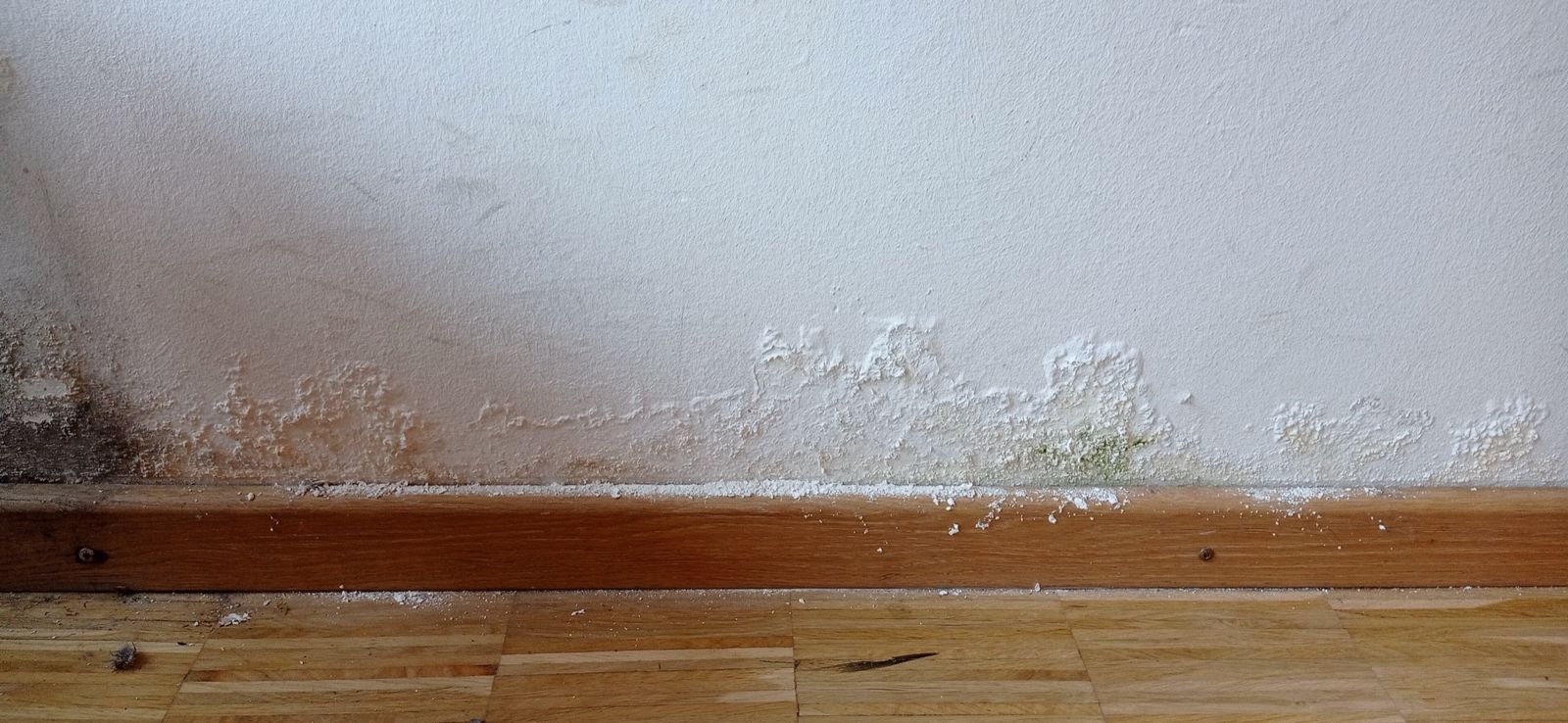
Almost every old stone house in Istria has some damp. Paint that bubbles at the bottom of the walls, white powder on the plaster, a musty smell when you open the house in spring: these are so common that many owners assume they are just part of living in a stone house. Some damp is normal. A lot of it, though, is caused or made worse by the way the house has been repaired over the last few decades, and that part can usually be fixed.
This guide explains where the moisture comes from, why salts matter, and which fixes are sensible. It is general advice; every house is different, and a serious damp problem deserves an inspection on site.
How old stone walls deal with water
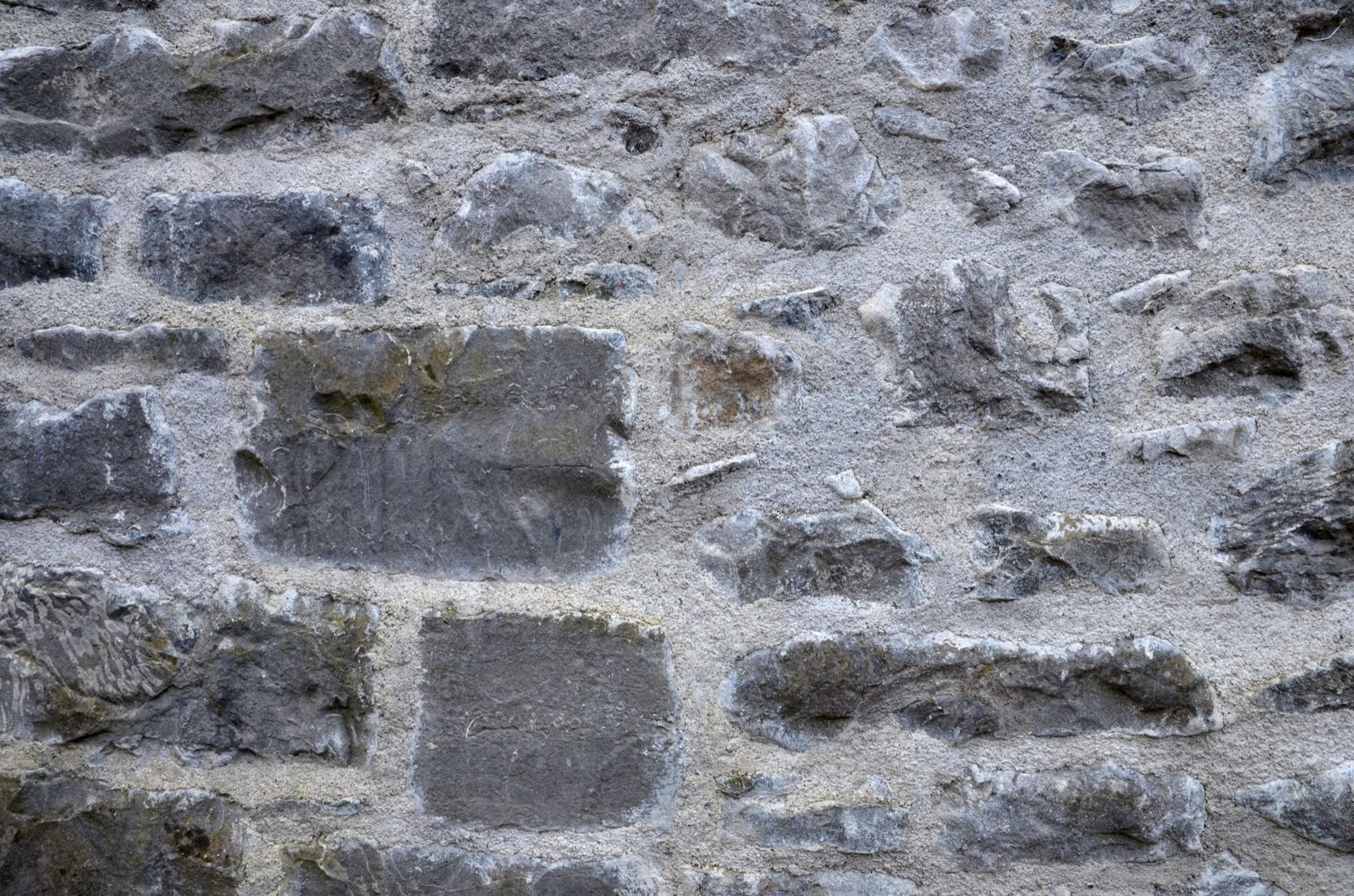
Traditional Istrian walls are built from limestone laid in lime or earth mortar, often with a rubble core between two faces of stone. They have no damp-proof course. Water gets in from the ground, from rain and from the air, and leaves again by evaporating through the surface. As long as the wall can dry out faster than it gets wet, it stays healthy for centuries.
Problems start when something adds more water or stops the wall from drying. That is the key idea behind every sensible fix: reduce the water coming in, and let the wall breathe out.
The usual causes
- Rising damp. Ground moisture is drawn up into the base of the wall. It typically shows as a tide mark up to roughly a metre above the floor, often with salts along the top edge.
- Ground against the wall. Many houses are built into a slope, so one wall is partly underground. Terraces, paths or soil heaped against the outside wall do the same thing.
- Rainwater. Missing or blocked gutters, downpipes that empty at the foot of the wall, a leaking roof edge or a terrace sloping towards the house. Driving rain with the jugo wind can soak an exposed wall.
- Cement render and cement pointing. Hard cement plaster on the outside or inside traps moisture in the stone. The wall can no longer dry through the surface, so the water moves sideways and upwards and comes out where it can, usually inside.
- Impermeable finishes. Plastic emulsion paints, vinyl wallpaper, tiles or a cement floor slab laid directly on the ground all reduce the wall's ability to dry.
- Condensation. A closed holiday house in winter, cold walls, no heating and no airflow: warm humid air condenses on the coldest surfaces. It looks like damp from outside but has a different cure.
Salts: why the plaster keeps falling off
Water moving through the wall carries dissolved salts. When it evaporates, the salts crystallise at or just under the surface, and the crystals push plaster and paint off. You see white fluffy deposits, crumbling plaster and paint flaking in a band along the wall.
Old stone houses often contain a lot of salts. Ground salts, sea spray near the coast and, very often, nitrates from animals: many Istrian ground floors and konobas were once stables. Some salts also attract moisture from the air, so a wall can look wet on humid days even after the water source has been dealt with. This is why simply replastering a damp wall with a fresh coat of any plaster rarely lasts more than a season or two.
Fixes that usually help
There is rarely one product that solves damp. The sensible approach is a combination, starting with the cheapest and most effective steps.
- Get rainwater away. Repair gutters and downpipes, lead water away from the foundations, and make sure terraces and paths slope away from the house. This costs little and often makes a visible difference within a season.
- Lower the ground or add drainage where soil sits against the wall. A gravel trench or a ventilated gap along a retaining side helps, but needs care so as not to undermine old foundations.
- Remove cement plaster and cement pointing from stone walls, inside and out where practical, and repoint with lime mortar.
- Use breathable finishes. Lime plaster, or salt-tolerant renovation plaster systems designed to store salts in their pores; finished with lime or silicate paint, not plastic emulsion.
- Ventilate. Airflow and some background heat in winter. In a closed holiday home, a dehumidifier on a timer or a ventilation unit can make a big difference.
- Floors. When a ground-floor slab is being replaced anyway, a ventilated floor build-up lets moisture escape instead of pushing it into the walls.
What to be careful with
Chemical damp-proof injections are widely sold. In walls of regular brick they can work; in thick, irregular rubble stone walls with voids, the injected cream does not form a continuous barrier, so results vary. They also do nothing against rain, ground contact or condensation. Treat any promise of a quick, guaranteed cure with caution.
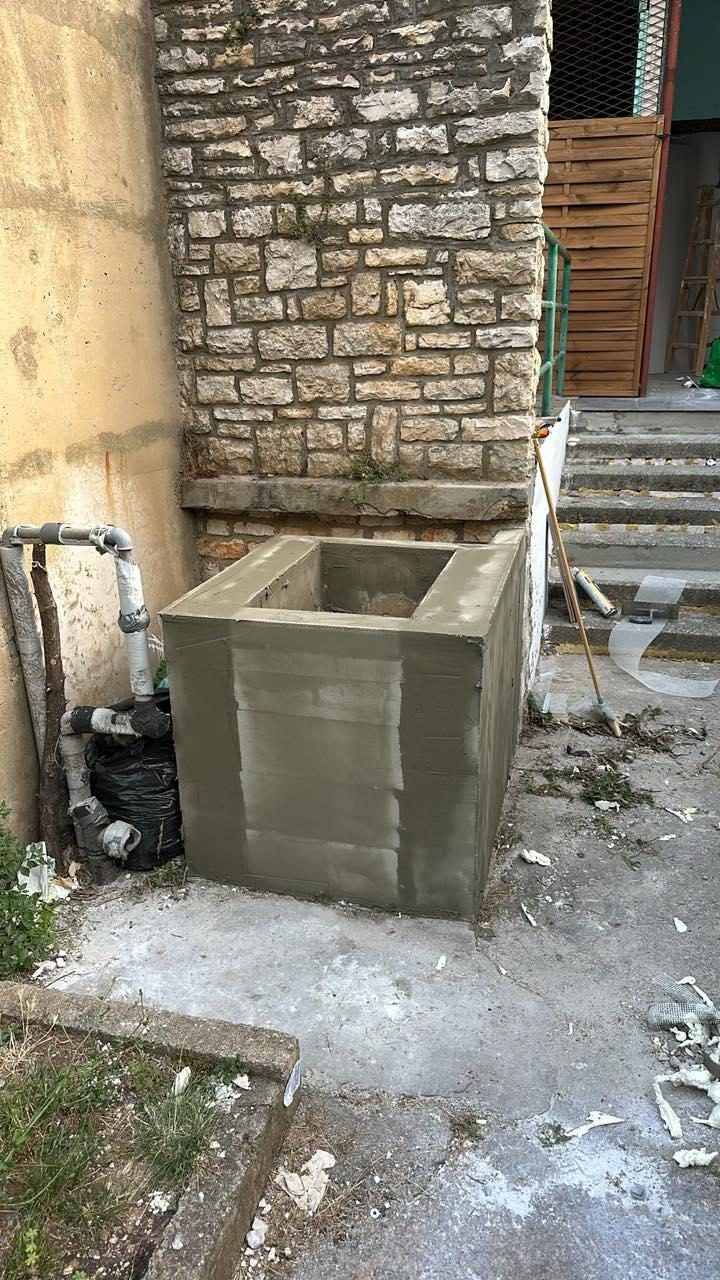
The same goes for waterproof tanking, sealing the inside face with a cement slurry, and drylining a damp wall with plasterboard glued straight onto it. These hide the damp for a while, but the water stays in the wall and the problem usually appears again higher up or in the next room. If you want an insulated lining in a stone house, it needs a ventilated gap and suitable materials; our guide on insulating an old house in Istria covers this.
When to fix damp in a renovation
Deal with damp before any finishes. New plaster, paint, a kitchen against an outside wall or new flooring will all be damaged if the source is still there. In a full renovation, the drying period after removing cement plaster and fixing drainage is worth waiting for, even if it adds a few weeks.
If you are buying, look for damp before you sign; our reality check on buying a ruin and the broader guide to renovating an Istrian stone house both help put it in context.
We work with tradesmen who know lime and stone and can strip, repoint and replaster as part of a stone house renovation. For finishes, our painting team uses breathable paints on old walls. If the house stands empty for months, holiday home maintenance includes airing and checks between visits.
Send us photos of the damp walls, inside and outside, on WhatsApp. We will tell you what we see and suggest the next sensible step.
Frequently asked questions
Is damp normal in an old stone house in Istria?
Some moisture in old stone walls is normal because they have no damp-proof course. Persistent tide marks, crumbling plaster and mould usually point to a specific cause such as rainwater, soil against the wall or cement plaster trapping moisture.
Should I use lime or cement plaster on stone walls?
Lime-based plaster is usually the right choice on old stone walls because it lets the wall dry out. Hard cement plaster tends to trap moisture and salts and pushes the damp elsewhere.
Do damp-proof injections work in stone walls?
Results in thick, irregular rubble stone walls are mixed, because the injected product cannot form a continuous barrier through voids. Dealing with rainwater, ground contact and breathable plaster usually helps more.
What is the white powder on my walls?
It is usually salt crystallising as water evaporates from the wall. It shows that moisture is moving through the wall and is a reason to find the source, not just repaint.
How do I stop damp in a holiday home that is closed in winter?
Keep gutters clear, leave interior doors open, provide some airflow and consider a dehumidifier on a timer. Regular airing visits by a caretaker also help catch problems early.