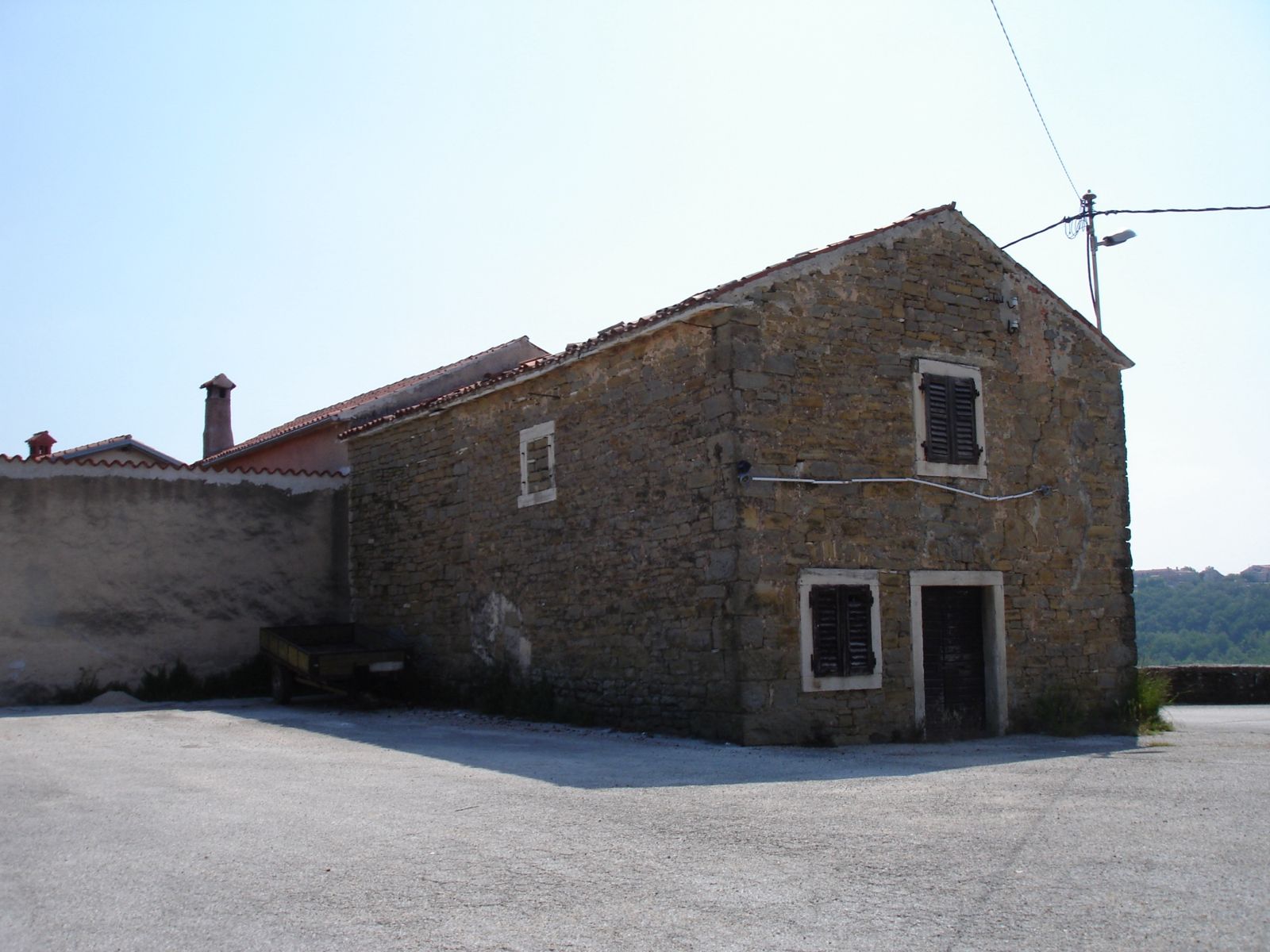
An old stone house in Istria is a different animal from a modern building. Its thick limestone walls keep the rooms cool in July and hold heat in winter, but they were built with lime, timber and clay, not cement and plastic. Renovate it with the same materials and logic, and it will last another century. Treat it like a concrete house, and you will often end up with damp walls, peeling paint and cracked render within a few years.
This guide explains what usually needs doing, in roughly the order it gets done, and where the surprises tend to hide. If you are still deciding which kind of property to buy, start with our overview of types of houses in Istria.
Start with a survey, not a design
Before choosing kitchen tiles, find out what you have. Walk round the house after rain, look at the roof from inside, tap the plaster and check the floors. Key questions:
- Is the roof watertight, and are the rafter ends sound where they sit on the walls?
- Are there cracks in the walls, especially around corners, window openings and the baladur?
- Where is the damp, and how high does it rise? Is the plaster cement-based?
- Are the timber floors springy or sagging?
- Is there mains water and sewerage, or a cistern and septic tank? How is the electricity supply sized?
For structural questions, such as cracks, removing walls, new openings or a new floor, involve a licensed structural engineer. For anything touching the exterior, the volume or a protected zone, talk to a licensed architect or the municipality first: rules depend on the specific building and location.
Roof first: keep the water out
Almost every serious problem in an old stone house starts with water from above. Traditional roofs have curved clay tiles (kupe) laid on battens over timber rafters, often with no underlay. Over decades tiles slip, especially after a strong bura, the gusty north-easterly wind, and water runs down inside the wall heads, rotting the rafter ends and washing out the mortar.
A typical roof renovation means lifting the tiles, replacing damaged timber, adding a breathable membrane and, where appropriate, insulation, then relaying the old tiles (mixed with reclaimed ones where needed) and fixing them well enough to stand up to the wind. Good gutters and downpipes that take water away from the walls are just as important.
Walls: lime, not cement
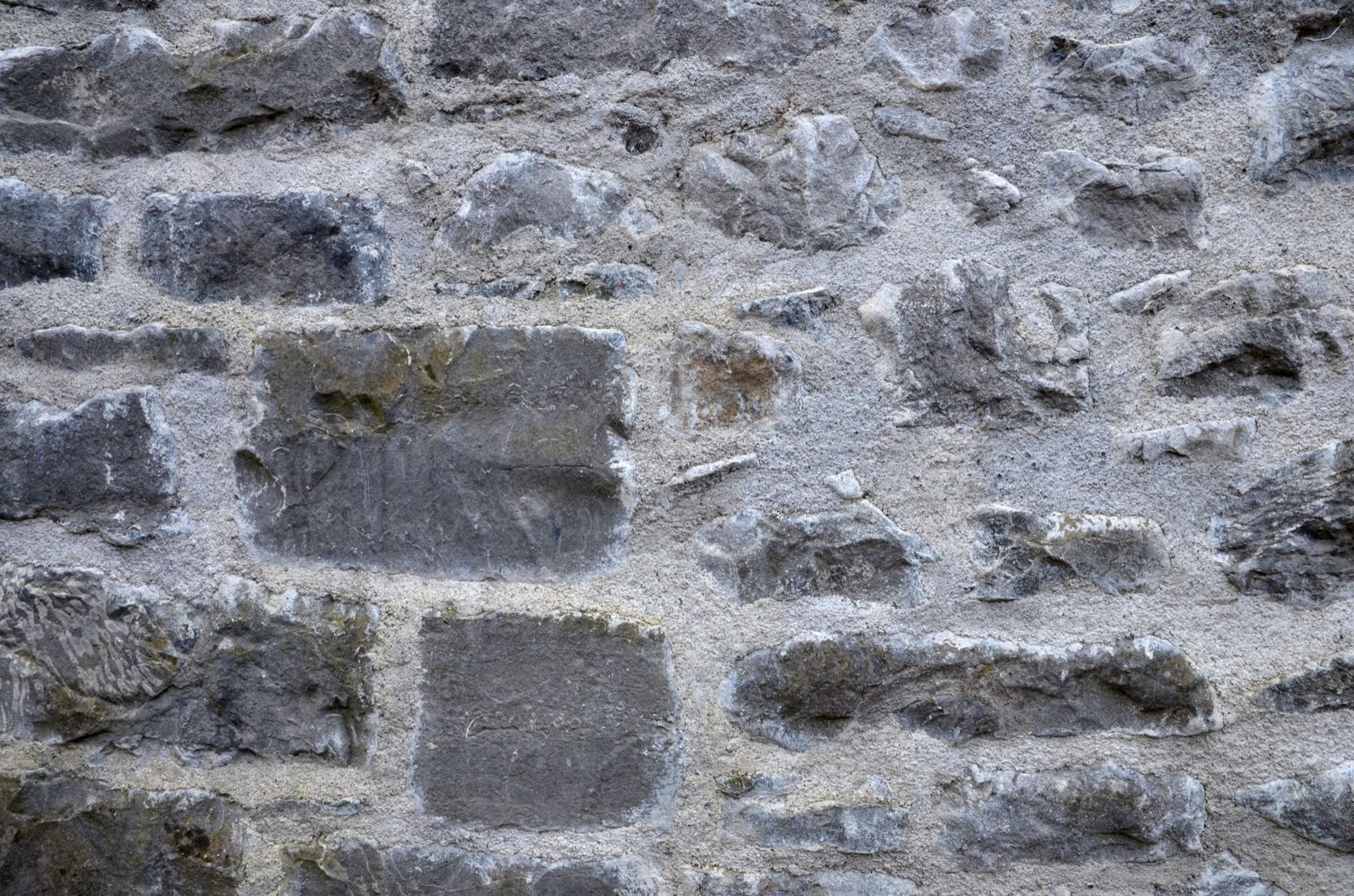
Istrian stone walls are usually two faces of limestone with rubble and lime mortar in between. They move slightly with the seasons and let moisture escape through the joints and plaster. The most common mistake of the last fifty years has been to repoint them with hard cement mortar or cover them with cement render and plastic paint. Moisture can no longer escape, so it stays in the wall, salts crystallise behind the render and the plaster falls off.
The sensible approach is to remove failing cement render and pointing, repoint with a lime mortar and use lime-based plasters and breathable paints inside and out. Exposed stone looks wonderful on some walls, but bare rubble inside a living room collects dust and can feel damp; a lime plaster that follows the wall is often the better choice.
Damp, terra rossa and drainage
Damp at the bottom of the walls usually comes from the ground. Many houses stand on red terra rossa soil or directly on rock, with terraces and paving built up against the walls over the years. Lowering ground levels outside, adding drainage, getting rainwater away from the base of the walls and replacing a sealed concrete floor inside with a breathable build-up often help more than any injection or chemical treatment.
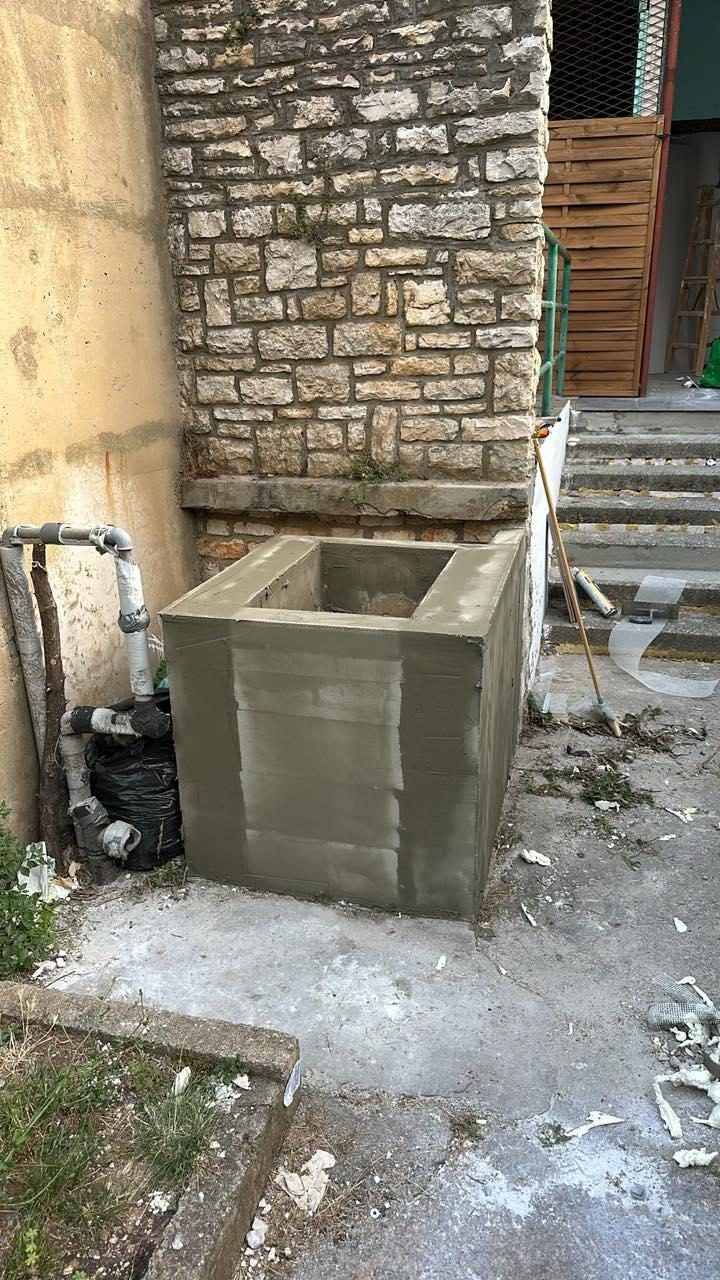
Damp is a big topic of its own; our article on damp in old stone walls goes into causes and fixes.
Floors, windows and shutters
Upper floors are usually timber beams with boards. They can often be kept, strengthened or partly replaced; if you want a tiled bathroom upstairs, the floor must be stiff enough not to crack the tiles. Ground floors in konobas are often bare earth or a thin concrete slab and are a good place for a new insulated, breathable floor.
Windows in stone houses are small and deep. Replacing them is one of the best comfort upgrades, but the reveals, sills and the traditional wooden shutters (škure) matter for the character of the house, and in protected areas their style may be prescribed. Our window and door installation service handles new frames, reveals and mosquito nets; for the choice of material see PVC, wood or aluminium windows near the sea.
Services: wiring, plumbing and heating
Most old stone houses need completely new wiring and plumbing. Chasing cables and pipes into rubble walls is slow and can weaken them, so plan routes carefully: through floors, inside new drywall linings in bathrooms or along skirting. Let qualified electricians size the supply for air-conditioning or a heat pump from the start, and have new plumbing planned together with drainage, the water heater and, in rural houses, the septic tank or a connection to the sewer.
Bathrooms are usually created from scratch. Moisture-resistant boards on a separate frame keep tiles and pipes away from the old wall and let it breathe behind; see our bathroom renovation page for how we approach it.
Budget, timing and running the job
Stone house renovations rarely go exactly to plan, because so much is hidden until plaster and floors come off. Keep a contingency in the budget and decide early which items you will not compromise on (usually the roof, the walls and the services) and which can wait (outdoor kitchen, pool, landscaping). Our renovation cost calculator gives a first rough range; the real number comes after a visit.
Timing matters too. Roof work is best done in dry months, lime work does not like frost or fierce summer heat, and many coastal places restrict noisy building work in the tourist season. See the best time to renovate in Istria. If you live abroad, a single coordinator, regular photos and clear stages make life much easier; for a complete stone house renovation we bring in the right trade from our network for each step.
Own an old stone house in Istria, or about to buy one? Send us photos of the roof, walls and any damp patches on WhatsApp and we will give you an honest first view and a rough price range.
Frequently asked questions
Can I use cement to repair an old stone wall in Istria?
It is better not to. Old Istrian walls were built with lime mortar and need to let moisture out. Hard cement mortar and cement render trap moisture and salts, which leads to damp and falling plaster. Lime mortar and lime plaster are the usual recommendation.
How do I get rid of damp in a stone house?
Find the source first: a leaking roof or gutter, ground levels built up against the wall, a sealed concrete floor or cement render. Fixing drainage, removing cement render, using lime plaster and improving ventilation usually work better than chemical injections or waterproof coatings.
Do I need a permit to renovate a stone house in Croatia?
It depends on the work and the location. Internal maintenance usually needs less paperwork than changes to the roof, facade, openings, structure or size, and protected zones have extra rules. Always check with a licensed architect or the municipality for your specific building.
Should I keep the stone exposed inside?
On a feature wall it can look beautiful, but bare rubble inside living rooms collects dust and can feel cold and damp. Many owners choose a thin lime plaster that follows the shape of the stone, or leave only selected walls exposed.