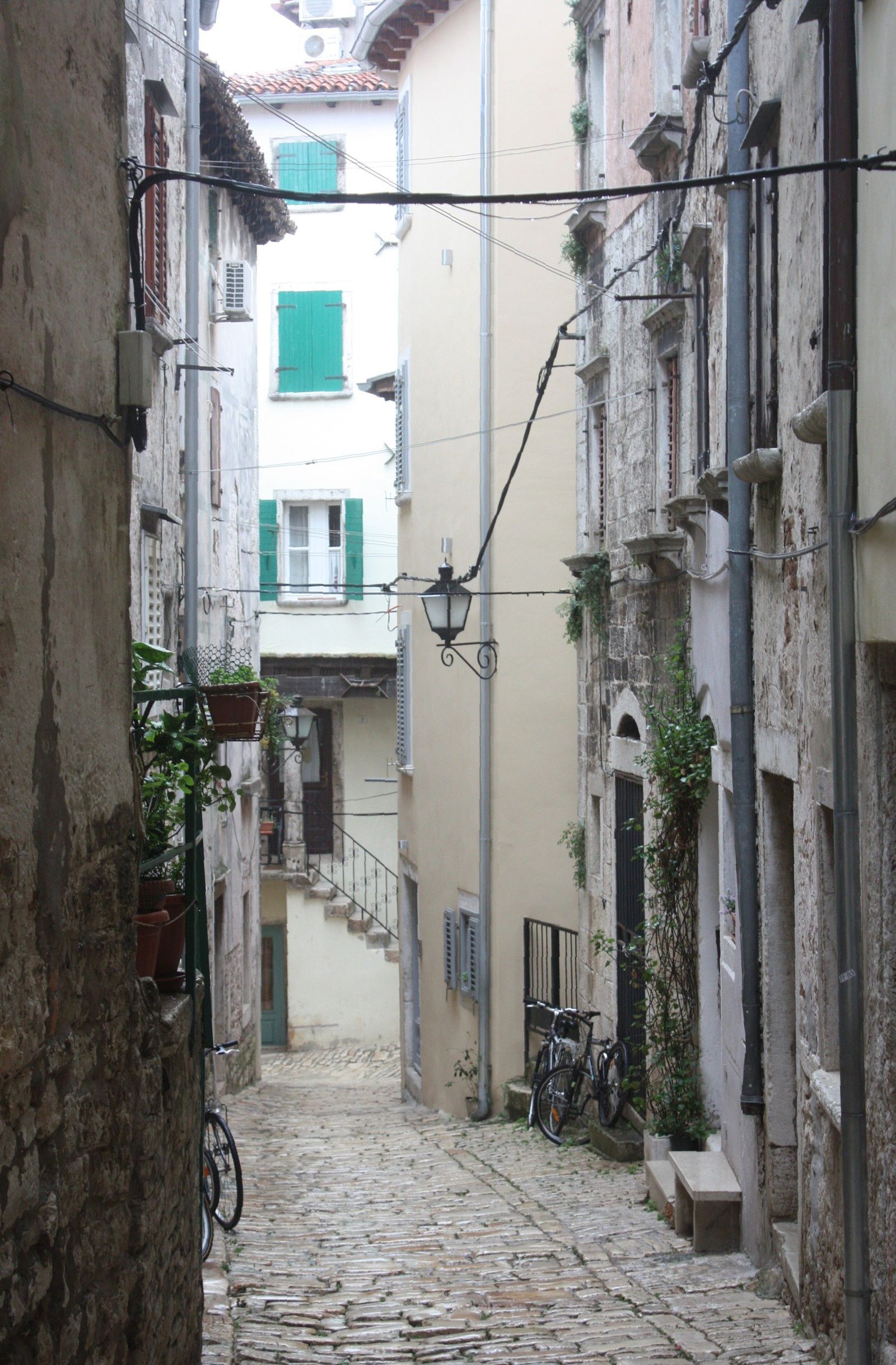
Owning a house in the old town of Rovinj/Rovigno, Poreč/Parenzo or Pula/Pola is a special thing: stone lanes polished by centuries of feet, shutters opening onto the sea or a tiny square, everything within walking distance. Renovating one is special too. The building is usually a classic stone house, but almost everything around the work is harder: getting materials in, getting rubble out, working next to neighbours and respecting the rules of a protected historic centre.
This guide covers the practical side. For the building itself (walls, lime, roof, damp) read renovating an Istrian stone house, because most of it applies here too.
What makes old-town houses different
Old-town houses grew over centuries. Many are narrow and tall, three or four floors on a small footprint, with steep stairs and rooms on half levels. Walls are shared with the neighbours, sometimes with beams resting on a party wall. Floors are mostly timber, roofs are clay tiles, and services have been added, changed and patched by each generation.
- Rovinj. The old town sits on a hill around St Euphemia's church, with steep, slippery cobbled lanes and houses built right up to the sea on the western side.
- Poreč. A flatter grid around the Decumanus and Cardo, on Roman foundations, with Venetian Gothic and Romanesque houses in the busiest tourist streets.
- Pula. The centre around the Forum and the hill of the Kaštel mixes medieval houses with 19th- and early 20th-century buildings, close to Roman monuments.
The same applies to smaller centres such as Novigrad, Vodnjan/Dignano, Labin and the hill towns of Grožnjan or Motovun, often with even tighter access.
Protected zones: check before you plan
The historic cores of Istrian towns are generally protected as cultural heritage. In practice this means that work affecting the outside of the building (facade, render colour, windows, doors, shutters, roof, chimneys, air-conditioning units on view) and often structural work inside needs approval from the conservation authorities, and sometimes a project by a licensed architect. Purely internal work such as a new bathroom or repainting usually involves less, but it depends on the building.
Rules and procedures vary by town and by building, so we always recommend checking with a licensed architect or the municipality before you commit to a design. For a general overview see do you need a permit to renovate in Croatia.
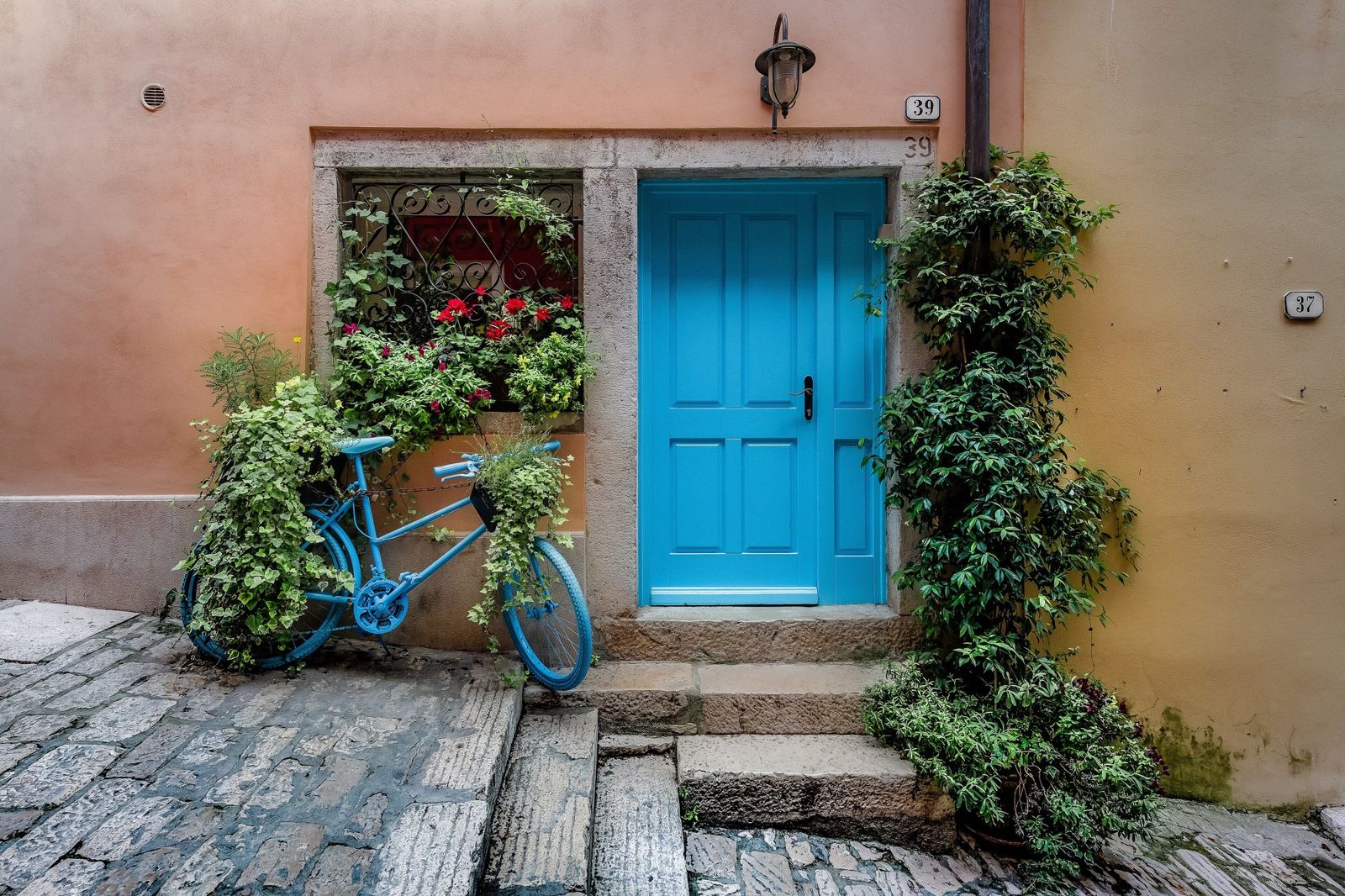
Access, deliveries and rubble
This is where old-town renovations really differ. Vehicles are usually restricted in the centre, lanes may be too narrow or steep for anything bigger than a hand trolley or a small electric cart, and there is rarely a place to put a skip outside the door. Typical consequences:
- Small loads. Materials come in small quantities, often carried by hand from the nearest point a van can reach. Plasterboard, tiles, cement and furniture all need planning by size and weight.
- Time windows. Many towns allow delivery vehicles only at certain hours, and permits may be needed for vehicles or for temporarily using public space.
- Rubble in bags. Demolition waste is usually bagged inside and carried out to a container parked further away, which takes time. Our demolition and rubble removal team plans this from day one.
- Scaffolding. Facade or roof work may need scaffolding on a public lane, which has to be agreed with the town and planned around pedestrians.
All of this adds labour hours. That is the main reason old-town jobs often cost more than the same work in a detached house; our renovation cost calculator gives a first rough range, but access should always be discussed before a price.
Neighbours, noise and the summer season
In an old town you share walls, roofs and sometimes drains with your neighbours, and many houses around you are holiday rentals full of guests in summer. Many coastal towns limit noisy building work during the tourist season, with dates and rules set locally. In practice the realistic window for heavy work in Rovinj, Poreč or Pula is autumn to spring; see the best time to renovate in Istria.
Good manners go a long way: tell the neighbours before you start, keep the lane clean, protect shared walls and stairs, and agree in advance any work on a party wall or shared roof. Cracks or leaks in a neighbour's house are much easier to discuss when you have photos of the state before work began.
Working inside: light, damp and small spaces
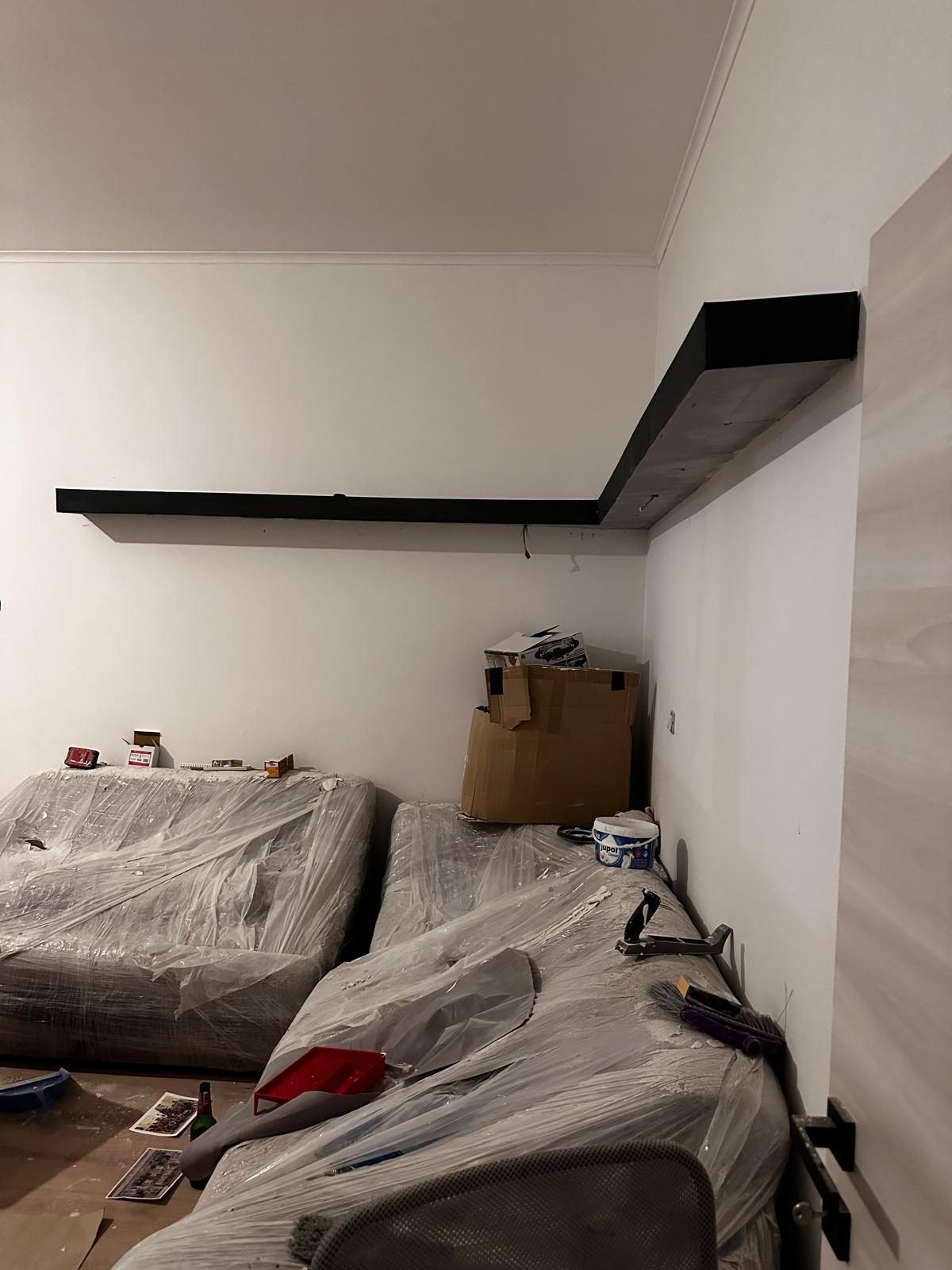
Inside, old-town houses tend to be dark on the lower floors and humid where they back onto the hillside or a neighbour's wall. Lime plaster, good ventilation and carefully placed lighting help more than covering everything in tiles. Where rooms are small, drywall partitions and ceilings let you hide new cables and pipes and create storage without cutting into the old walls.
Bathrooms on upper floors need a stiff floor and a drainage route to the existing downpipe or sewer, which in an old house is not always obvious. Check this before you fall in love with a freestanding bath on the third floor; our bathroom renovation page explains how we plan it.
Renovating from abroad
Most of our old-town clients do not live in Istria full time. That works well if one person coordinates the trades, handles the keys and deliveries, talks to the neighbours and sends you regular photos. Read renovating your Istrian home from abroad for how this works in practice, or see our house and apartment renovation service.
Have a house in the old town of Rovinj, Poreč, Pula or another Istrian centre? Send us photos and a short video of the lane outside on WhatsApp, and we will tell you how we would plan access and give you a rough price range.
Frequently asked questions
Can I renovate a house in the old town of Rovinj in summer?
Usually only lighter, quiet work. Many coastal towns restrict noisy building work in the tourist season, with dates and rules set locally, and access is much harder when the lanes are full. Heavy work such as demolition, roofs and facades is normally planned between autumn and spring.
Do I need approval to change windows in a protected old town?
In most historic centres in Istria, work on the outside of the building, including windows, shutters, doors and facade colour, needs approval from the conservation authorities. Requirements depend on the town and the building, so check with a licensed architect or the municipality first.
Why is renovation in an old town more expensive?
Mainly because of access and time. Materials often have to be carried in by hand, rubble carried out in bags, deliveries fit into limited time windows and work has to be organised around neighbours and pedestrians. The same bathroom can take noticeably more labour in an old-town house than in a detached villa.
Where can I put an air-conditioning unit on an old-town house?
Usually not on the street facade. Roofs, inner courtyards or hidden walls are the typical options, subject to the rules for the protected zone. Ask about this early, because it affects the whole installation.