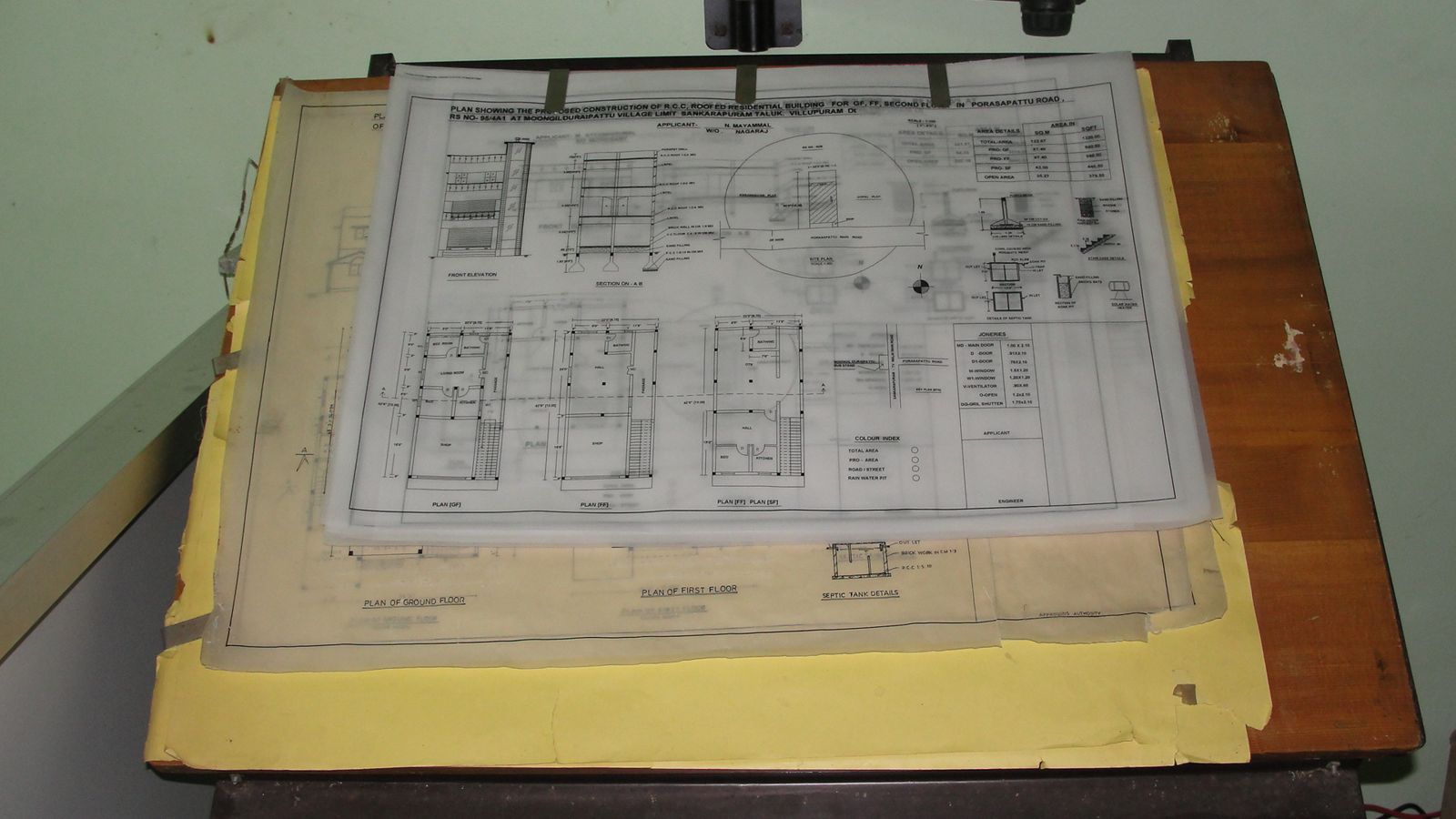
It is one of the first questions foreign owners ask: do I need a permit to renovate my house in Istria? The honest answer is: it depends on what you want to do, where the house is and what state its paperwork is in.
This guide gives you a general picture, so you know which questions to ask. It is not legal advice. Rules change, and the final word always belongs to a licensed architect or engineer and to the authorities responsible for your town. Before you sign anything or start work, check your specific case with them.
The basic idea: inside vs. structure and appearance
As a rough rule of thumb, Croatian building rules care most about three things: the load-bearing structure of a building, its external appearance and size, and its use. Work that stays inside the house and doesn't touch any of these is usually treated very differently from work that does.
That's why a new bathroom and an extension are in completely different categories, even if they cost the same.
Work that usually doesn't need a building permit
In most cases, ordinary maintenance and interior renovation that doesn't change the structure, the outside or the use of the building can be done without a building permit. Typical examples:
- Painting and plastering inside the house.
- New floors and tiles, replacing old ones like for like.
- Bathroom and kitchen renovation within existing rooms, including new sanitary ware and kitchen units.
- Renewing plumbing and electrical installations inside the house, done by qualified tradesmen.
- Non-load-bearing partitions, for example a drywall wall that divides a room.
- Replacing windows in the same openings, outside protected areas (see below).
“No building permit” doesn't mean “no rules”. Electrical and gas work must be done properly by qualified people, and in an apartment building you still need to respect the house rules and your neighbours. Our electrical work is done by qualified electricians for exactly this reason.
Work that usually needs a permit or a project
As soon as the work affects the structure, the size or the look of the building, or what it is used for, you should expect to need design documents from a licensed architect or engineer, and often a permit. Typical examples:
- Extensions and adding a floor.
- Changes to load-bearing walls, new openings in structural walls, removing or altering beams.
- Roof alterations that change its shape or height, or adding dormers and terraces.
- Changing the façade, enlarging windows or adding balconies.
- Change of use, for example turning a konoba or barn into living space, or one house into several units.
- Pools, larger outbuildings and some garden structures, depending on size and local plans.
Even when a full permit isn't required, some of these jobs need at least a structural assessment. Opening up a stone wall in an old house is not something to improvise. If you are planning a bigger project, read our guides on renovating an Istrian stone house and turning a konoba or outbuilding into living space.
Old towns and protected areas: stricter rules
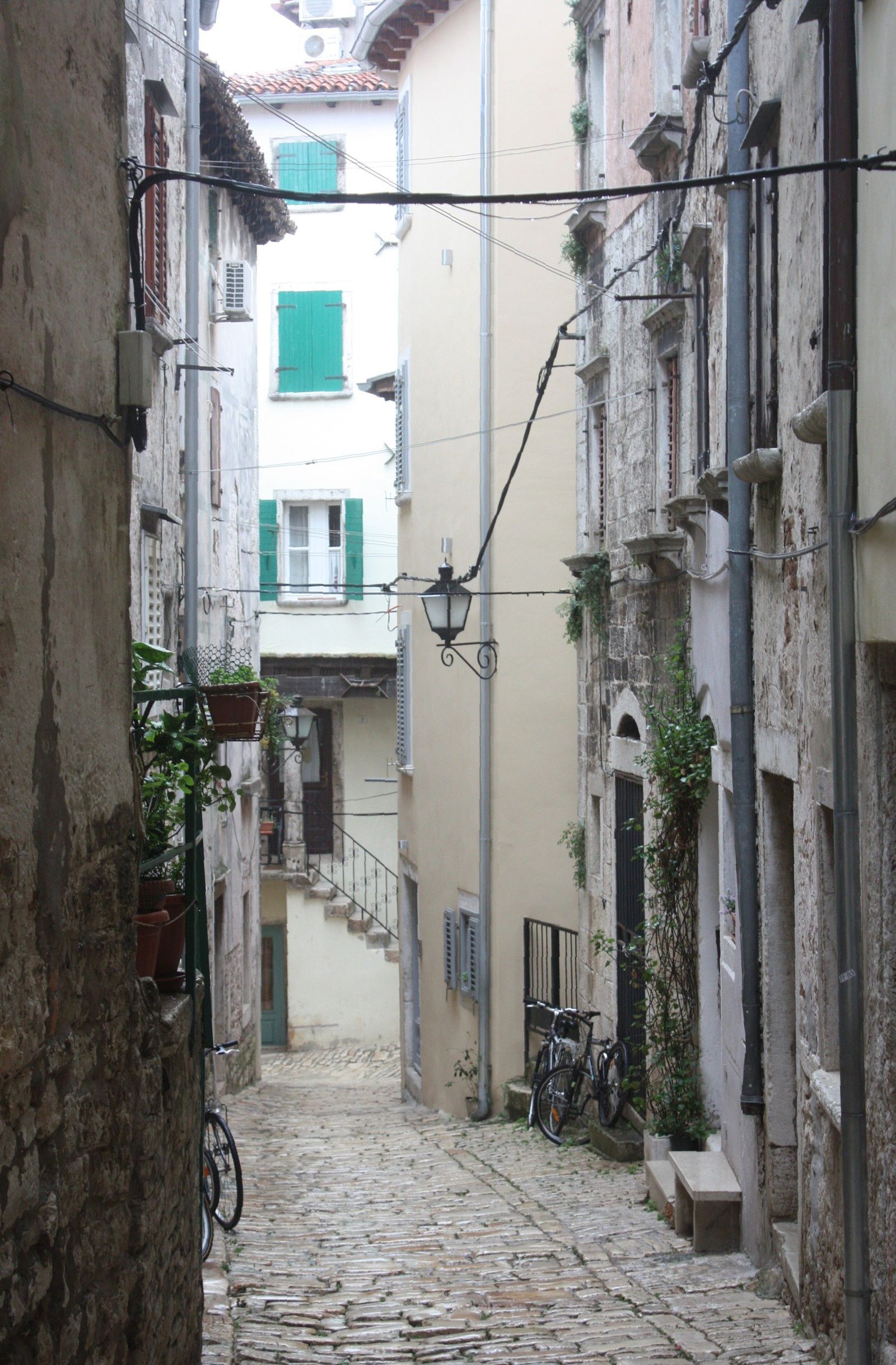
Many Istrian old towns, such as Rovinj/Rovigno, Poreč/Parenzo, Motovun/Montona or Grožnjan/Grisignana, as well as individual historic buildings, are under heritage protection. In these areas the conservation authorities usually have a say in anything visible from outside, sometimes even for work that would be simple elsewhere:
- window and door replacement (material, colour, division of the glass),
- shutters (škure), roof tiles and chimneys,
- façade plaster and colour,
- air-conditioning units, satellite dishes and other equipment on the outside walls.
So if you own a house in a historic centre, check with the municipality or the conservation office what applies to your building before you order new windows or paint the façade. Our article on renovating an old-town house in Rovinj, Poreč or Pula covers the practical side.
Apartments: talk to the other owners
In an apartment building, the walls, roof, façade, stairwell and main pipes are usually common property. Work that touches them typically needs the agreement of the other co-owners, often through the building manager. Inside your own flat you have more freedom, but changes to load-bearing walls or shared installations are still a matter for an engineer and for the building.
Check the paperwork when you buy
Many older houses in Istria have been extended over the years, and not every extension was built with a permit. Some were later legalised, some weren't. Before buying, and before planning a big renovation, it's worth having your lawyer and an architect check that what is on paper matches what is on site. It affects what you can build next, and sometimes whether you can rent the property out officially.
Who to ask
- A licensed architect or engineer (ovlašteni arhitekt / inženjer) can tell you whether your project needs a permit, prepare the documents and deal with the authorities.
- The local municipality or town can tell you about local plans and other local rules.
- The conservation office if the house is in a protected old town or is a listed building.
We are a renovation team, not an architecture office. For interior work that doesn't need a permit, such as a new bathroom, floors or drywall partitions, we can start straight away. For anything bigger, we work alongside your architect or engineer once the paperwork is in place.
Not sure which category your project falls into? Send photos and a short description on WhatsApp. We'll tell you honestly whether it looks like a straightforward interior job or something you should first discuss with an architect.
Frequently asked questions
Do I need a permit to renovate a bathroom in Croatia?
Usually not, as long as the bathroom stays in the same room and you don't change load-bearing walls, the outside of the building or its use. In an apartment building, work on shared pipes may need the agreement of the other owners. Check with an architect or the municipality if in doubt.
Can I replace windows without a permit in Istria?
Replacing windows in the same openings is usually simple outside protected areas. In historic old towns and on listed buildings, the conservation authorities often set rules on material, colour and appearance, so check before you order.
Do I need a permit to remove a wall?
Removing a non-load-bearing partition is usually simple. Removing or opening a load-bearing wall affects the structure and needs an engineer's assessment, and often design documents and a permit.
Who can tell me if my renovation needs a permit?
A licensed architect or engineer is the best first contact. The municipality can explain local plans, and the conservation office decides for protected buildings and old town centres.