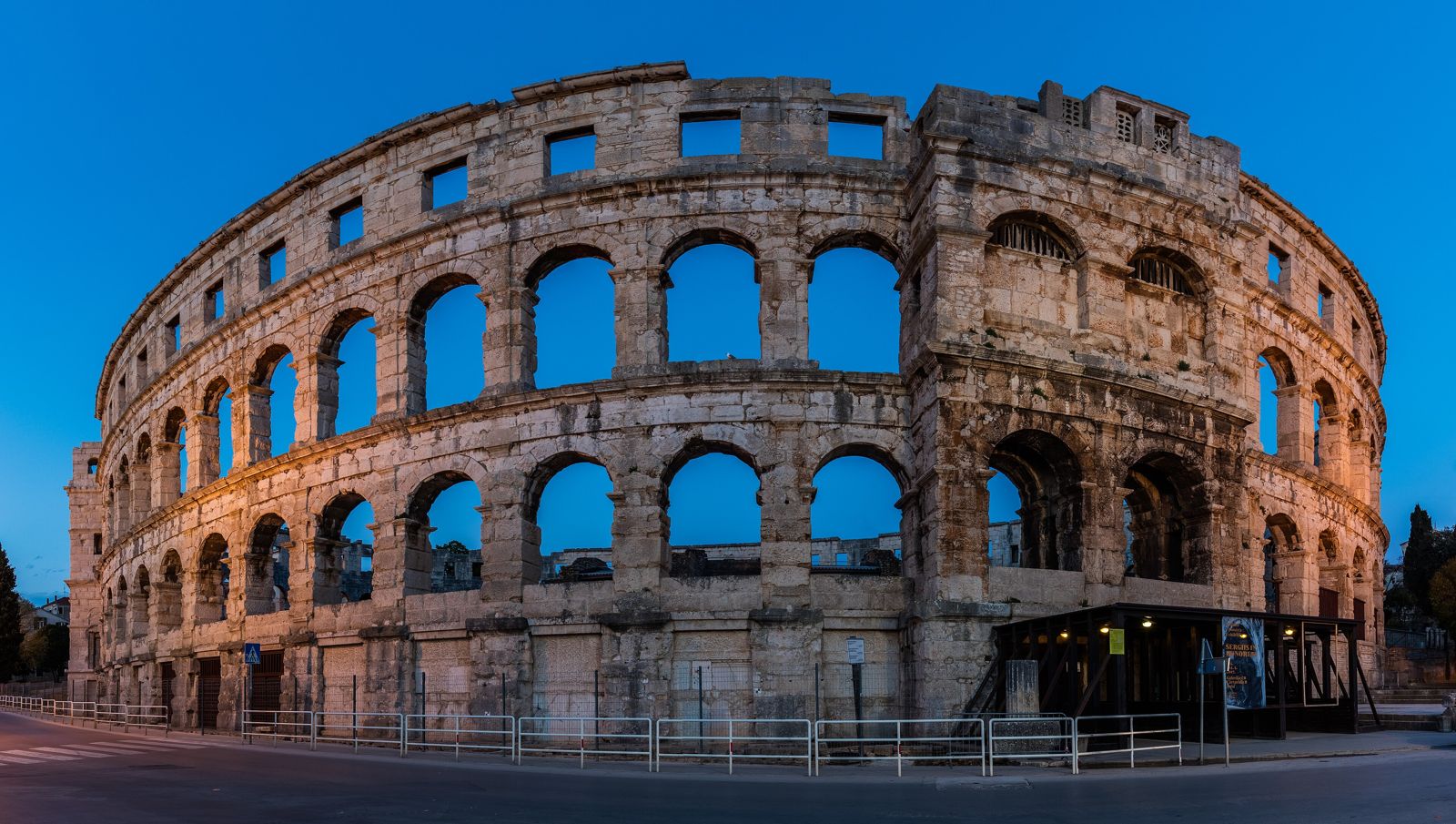
Pula (Pola) is the one place in Istria where most foreign buyers end up with a flat rather than a house. Prices are lower than in Rovinj or Poreč, the city is lively all year, and there are two very different kinds of apartment on the market: flats in old Austro-Hungarian buildings and flats in the concrete blocks built between the 1960s and the 1980s.
Both can become excellent homes or rentals, but they renovate very differently. This guide explains what you are likely to find behind the walls, which rules come from living in a shared building, and how to keep the neighbours and the parking situation on your side.
Two kinds of Pula apartment
Pula grew fast as the main harbour of the Austro-Hungarian navy, roughly from the mid-19th century until 1918. Much of the centre and the streets around Monte Zaro and Sveti Polikarp date from that period. After the Second World War the city expanded again, and neighbourhoods such as Veruda, Vidikovac and Šijana filled with apartment blocks.
| Austro-Hungarian building | 1960s–80s block | |
|---|---|---|
| Walls | Thick stone or brick, lime plaster | Concrete or brick, often with concrete load-bearing walls |
| Ceilings | High, often timber beams with reed or lath plaster | Lower, concrete slabs |
| Floors | Timber boards on beams, sometimes old tiles | Screed with parquet, lino or tiles |
| Typical issues | Uneven walls, creaking floors, damp at ground level, old wiring | Old pipes in shared risers, aluminium or tired wiring, poor sound insulation |
| Strength | Space, light, character | Regular layouts, easier to plan and price |
Austro-Hungarian flats: character with surprises
High ceilings, tall windows and solid walls make these flats pleasant in summer. The catch is that nothing is straight. Walls lean, floors slope and corners are rarely square, so tiling, kitchen installation and fitted furniture take longer than in a newer flat. Budget time for levelling before anything nice goes on top.
- Timber floors and ceilings. Floors often sit on wooden beams. Before laying tiles or a heavy bathroom, have someone check the beams and decide whether a lighter build-up is needed. A drywall ceiling is a common way to hide a cracked lath-and-plaster ceiling without removing it.
- Wiring. Many flats still have old cables, few sockets and no earth in some rooms. If the walls are open anyway, it is the right moment for a proper electrical upgrade by a qualified electrician.
- Ground-floor damp. Flats at street level can show damp at the base of the walls. Cement plaster and plastic paint usually make it worse; see our guide to damp in stone walls.
- Windows. Original windows are often in poor condition. In a building that is listed or in a protected zone, replacements may need to match the original look, so ask before ordering.
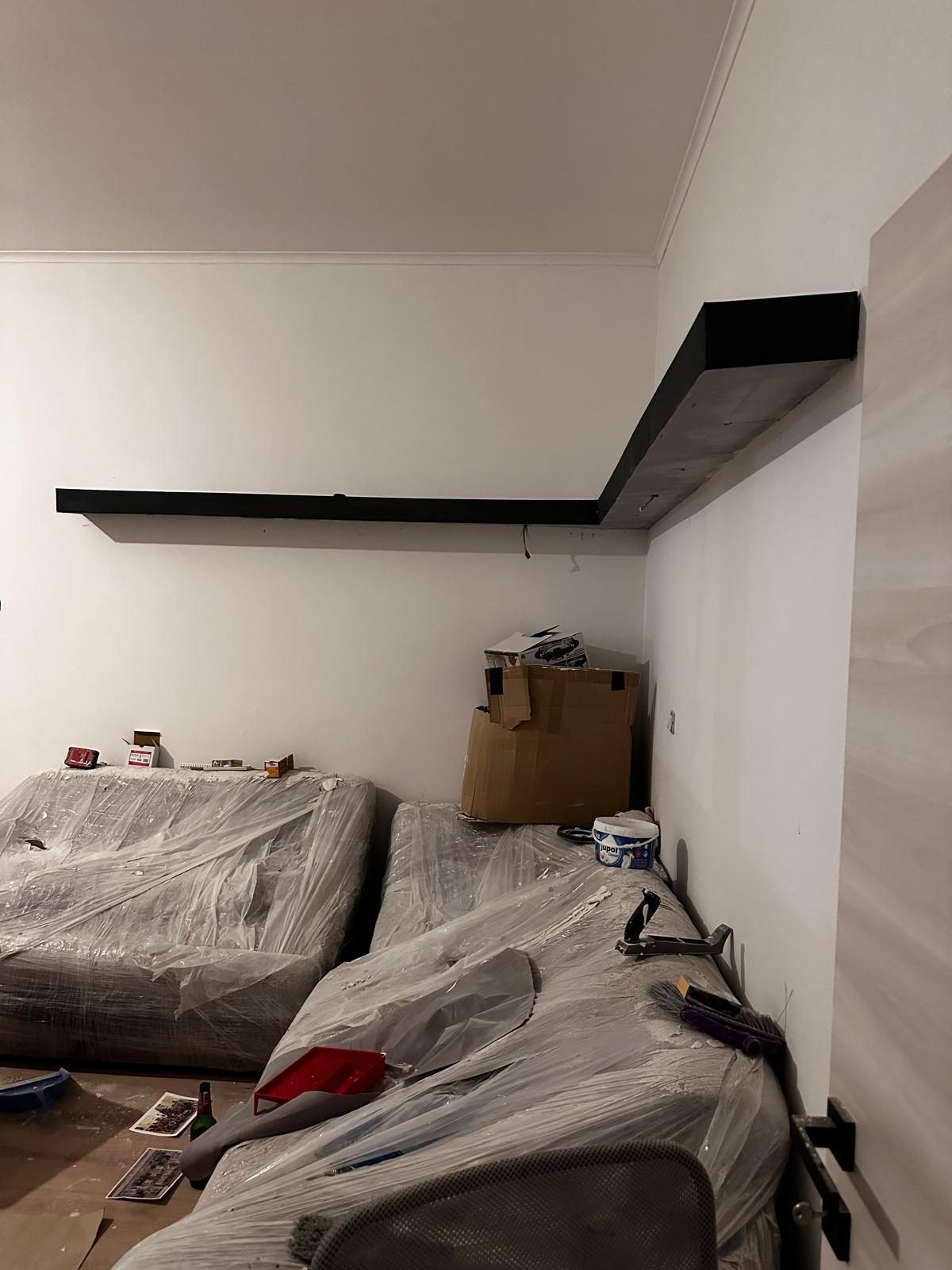
Parts of central Pula are close to Roman and later monuments and fall within protected zones. Interior work in a flat rarely needs special approval, but anything on the facade, windows, balconies or roof may. The rules depend on the building and its location, so check with the city or a licensed architect before you change anything visible from the street. Our general overview of renovation permits in Croatia explains the usual distinctions.
1960s–80s blocks: practical, but check the shared parts
Socialist-era flats are usually easier to renovate. Layouts are regular, concrete slabs take tiles and screed without drama, and prices are easier to estimate. The questions are mostly about what you share with the rest of the building.
- Load-bearing walls. Many blocks have concrete walls between rooms that cannot simply be knocked through. Before planning an open kitchen, get a structural engineer to look at the drawings or the wall itself.
- Pipes in shared risers. Water and drain pipes often run through vertical shafts shared with the flats above and below. You can replace everything inside your flat, but the connection to the riser needs care, and a leak can quickly become the neighbour's problem. Good plumbing work pays for itself here.
- Bathrooms. Old bathrooms are often small, with a bathtub and a gas or electric water heater. A bathroom renovation with a walk-in shower and good ventilation is usually the single biggest improvement.
- Sound. Concrete carries impact noise. If you replace floors, an acoustic underlay under laminate or tiles makes life better for you and the people below.
Living in a shared building: co-owners and the building manager
In Croatia, an apartment building is jointly owned by all the flat owners. Most buildings have a building manager (an upravitelj, usually a company) and a representative of the co-owners, and owners pay a monthly contribution into a reserve fund for the shared parts.
In general terms, you can renovate inside your own flat as you wish, as long as you do not touch the structure or the shared installations. Work on the facade, roof, stairwell, shared pipes or the building's electrical supply usually needs agreement from the other co-owners, and often goes through the building manager. The exact rules depend on the building and its agreements, so ask the manager early.
Neighbours, noise and working hours
Most problems in a Pula renovation are not technical. They are about noise, dust in the stairwell and a skip outside someone's door. A few habits help a lot:
- Put a short note in the stairwell with the start date, the expected length of the noisy phase and a phone number.
- Keep demolition and drilling to normal working hours and respect any house rules. Some coastal towns also restrict construction work in the summer season, so check what applies before planning a July start.
- Protect the stairs and the lift, and clean the stairwell at the end of each day.
- Turn off shared water only with notice, and for as short a time as possible.
Parking, deliveries and rubble
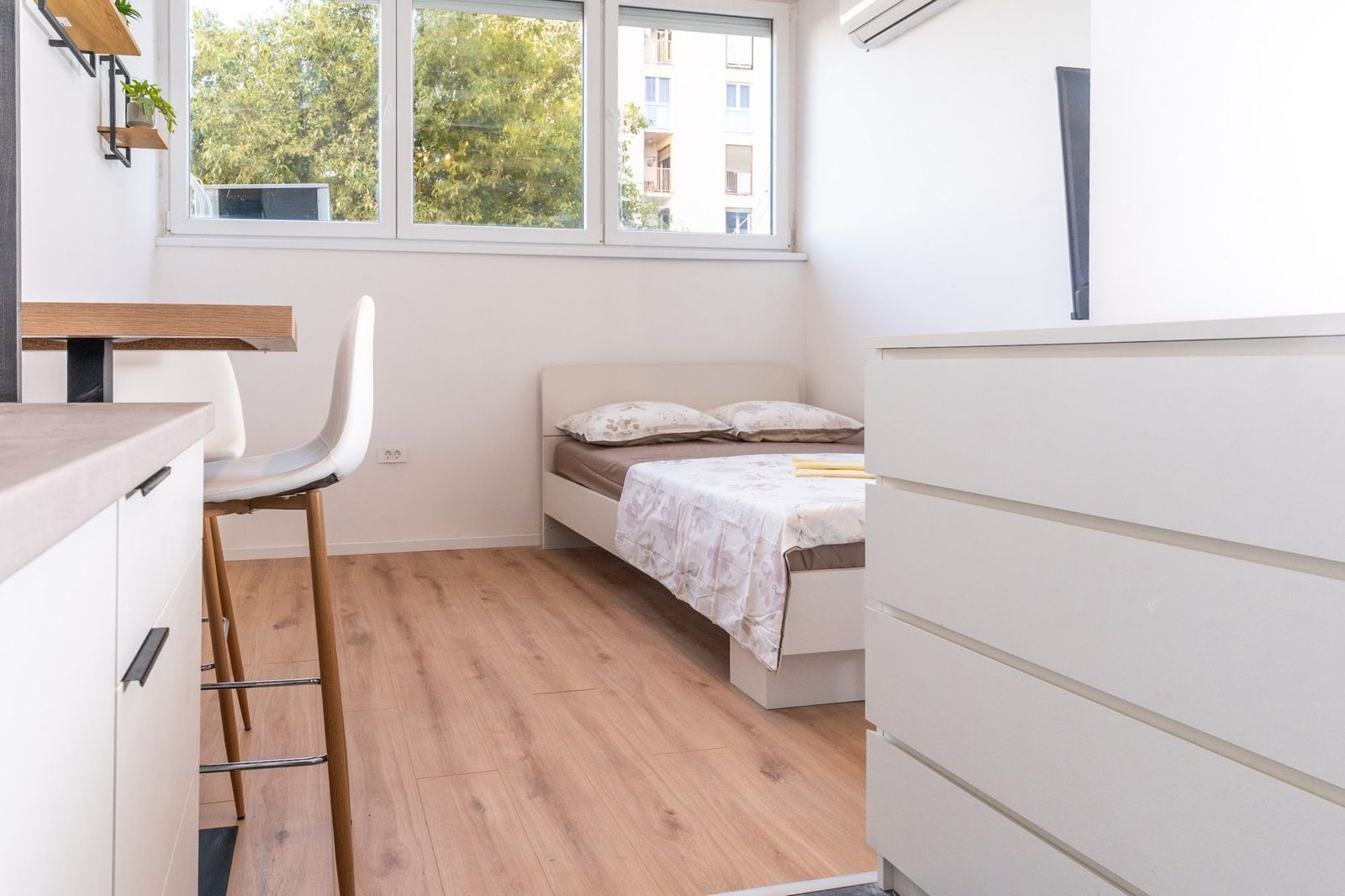
Central Pula has narrow streets, paid parking zones and limited space for vans. Material deliveries need to be timed, and on upper floors without a lift everything goes up and comes down by hand, which adds time and cost. Placing a skip or scaffolding on a public street usually needs approval from the city, so in the centre rubble is often taken away in bags and small loads instead. Our demolition and rubble removal service and the guide to construction waste disposal in Istria explain the options.
Planning the work and the budget
A typical full refresh of a Pula flat runs in this order: stripping out, new wiring and plumbing, screed or levelling, bathroom tiling, plastering and painting, then floors and the kitchen. Doing it in that order avoids paying twice. For a complete project, see our apartment renovation page.
The final cost depends on the building type, the floor, access and how much is hidden in the walls. For a first idea, try the free renovation cost calculator, and read what a renovation costs in Istria in 2026. If you live abroad, renovating from abroad explains how keys, updates and payments usually work.
Own or are you buying a flat in Pula? Send us a few photos or a short video on WhatsApp and we will come back with a rough price range and the questions to ask before you start.
Frequently asked questions
Do I need permission from the other owners to renovate my flat in Pula?
Usually not for work inside your own flat that does not touch the structure or shared installations. Work on the facade, roof, stairwell, shared pipes or load-bearing walls generally needs agreement from the co-owners and often goes through the building manager. Rules vary by building, so ask the manager first.
Can I knock down a wall in a 1970s apartment block?
Only after a structural engineer has confirmed that the wall is not load-bearing. Many socialist-era blocks have concrete walls between rooms that carry the building, and removing them is not a simple renovation job.
Is an Austro-Hungarian flat more expensive to renovate?
Often yes, because walls and floors are uneven, ceilings are high and timber floors may need checking. The extra time goes into levelling and preparation. In return you get more space and character.
Can the renovation be managed while I live abroad?
Yes. You can send photos or video on WhatsApp for a rough estimate, leave the keys with us and receive regular photo updates while the work goes on.