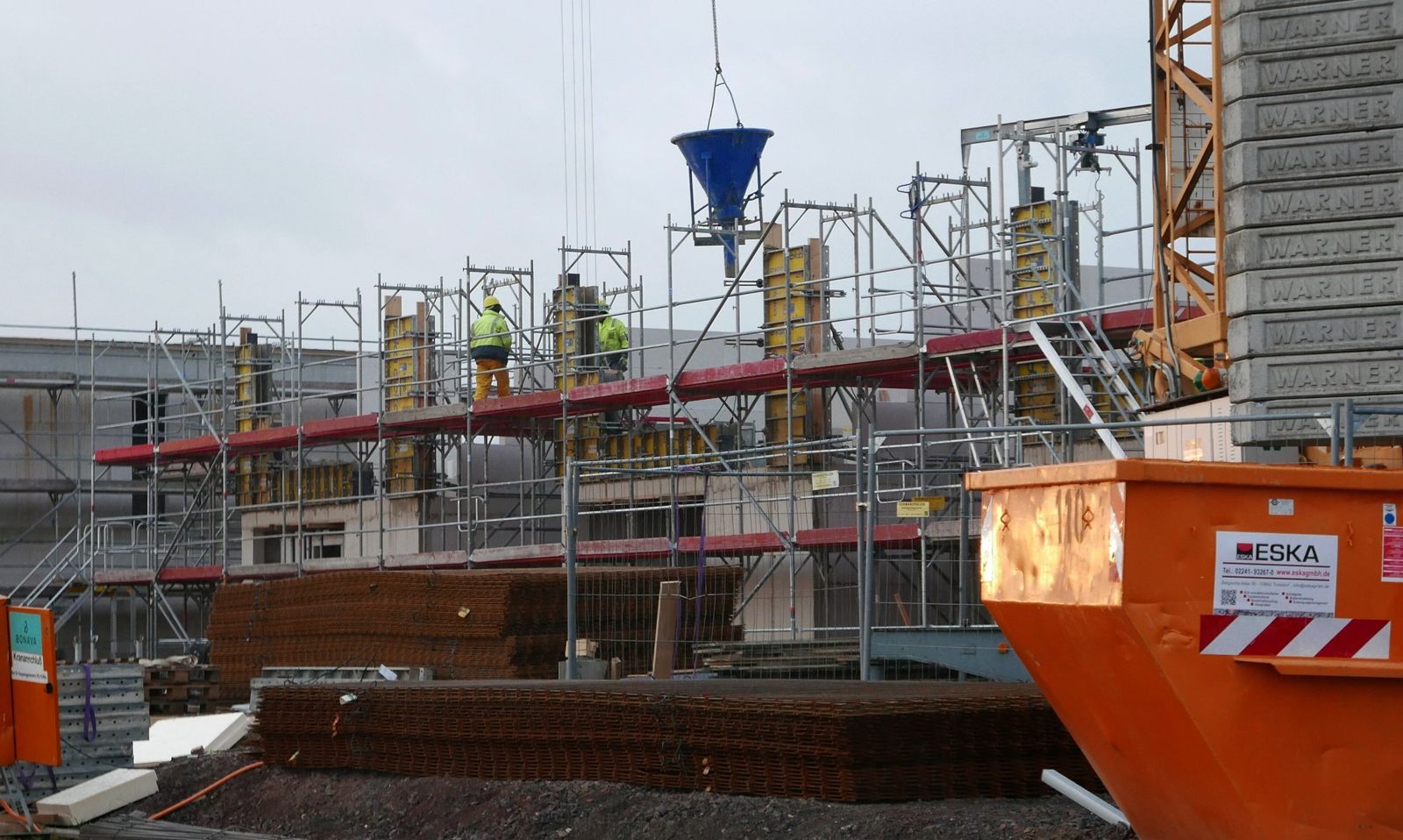
Almost every renovation starts by taking something out: old tiles, a bathroom, a kitchen, a wall, a ceiling, decades of furniture left by the previous owner. All of that has to go somewhere. Disposal is easy to forget when planning, but it affects cost, time and sometimes your relationship with the neighbours.
Here is how demolition and waste removal generally work in Istria, what the main types of waste are, and what to check before work starts. Exact rules and options differ between towns, so always confirm the details with your local utility company.
Types of waste from a renovation
- Construction rubble. Broken tiles, plaster, concrete, bricks, stone, old screed. Heavy and bulky, and it must go to an authorised disposal or recycling site.
- Bulky household waste. Old furniture, mattresses, carpets, doors, kitchen units.
- Metals, wood and packaging. Old pipes, radiators, window frames, cardboard and plastic from new materials. Much of this can be recycled.
- Electrical and electronic equipment. Old boilers, appliances, air-conditioning units. These are collected separately.
- Hazardous materials. Paint and solvent leftovers and, in older buildings, sometimes asbestos-cement sheets. These need special handling.
Demolition inside the house
Most renovation demolition is not knocking down a building but stripping it: removing tiles and screed, taking out sanitaryware and kitchens, opening up walls for new installations, removing old ceilings or partition walls. Our demolition and rubble removal service covers exactly this kind of work.
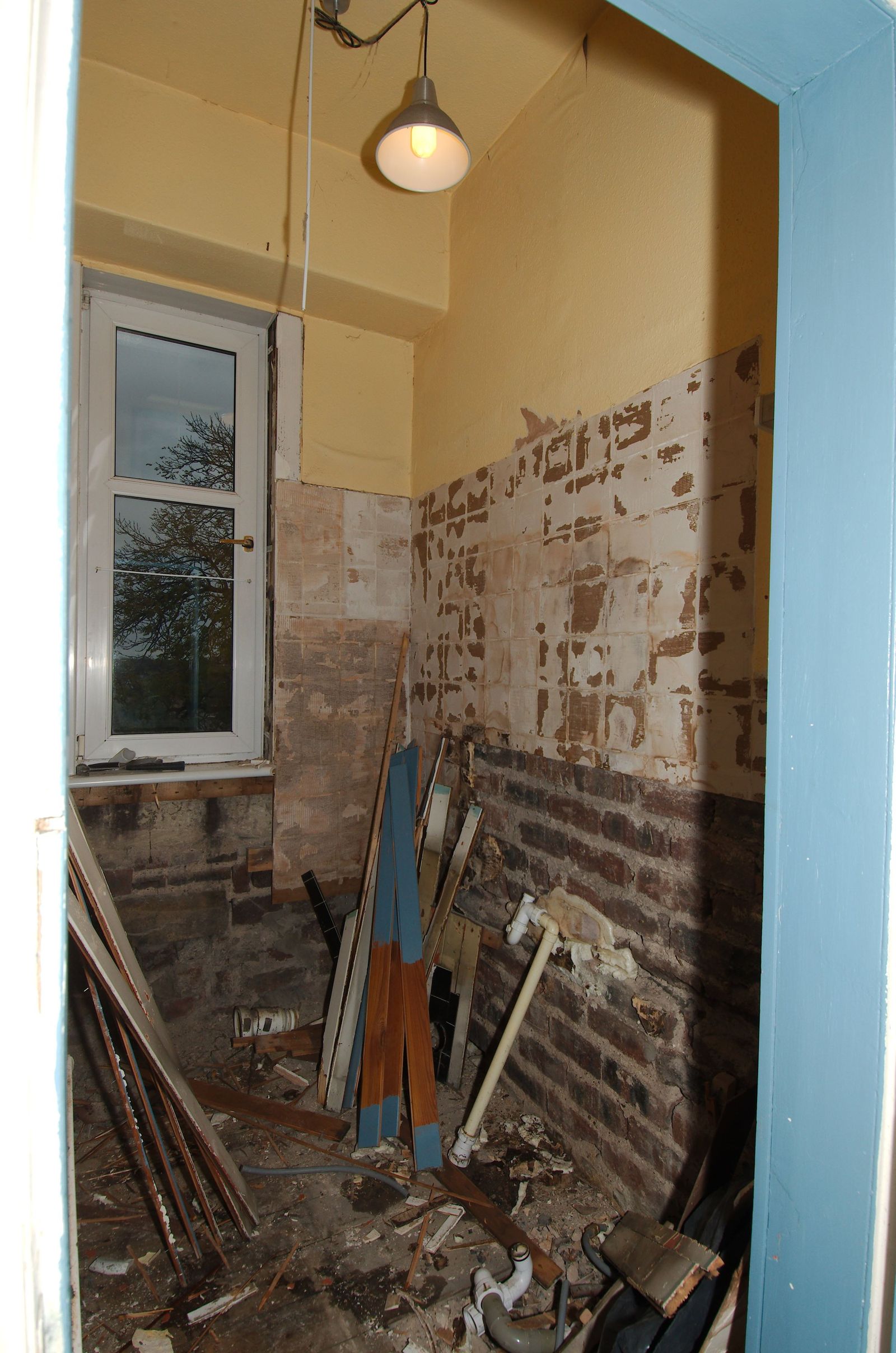
Before anything is knocked out, a few points need to be clear:
- Load-bearing walls. Removing or opening a load-bearing wall needs a structural engineer's assessment and may need documentation. Never assume a wall is only a partition.
- Services in the wall. Water, electricity and gas must be switched off and located before cutting into walls and floors.
- Protection. Floors, stairs and anything that stays should be covered. Dust travels a long way, especially in apartment buildings.
- Noise and working hours. In apartment buildings and many coastal towns, noisy work is limited to certain hours and sometimes restricted during the summer season.
Skips, containers and access
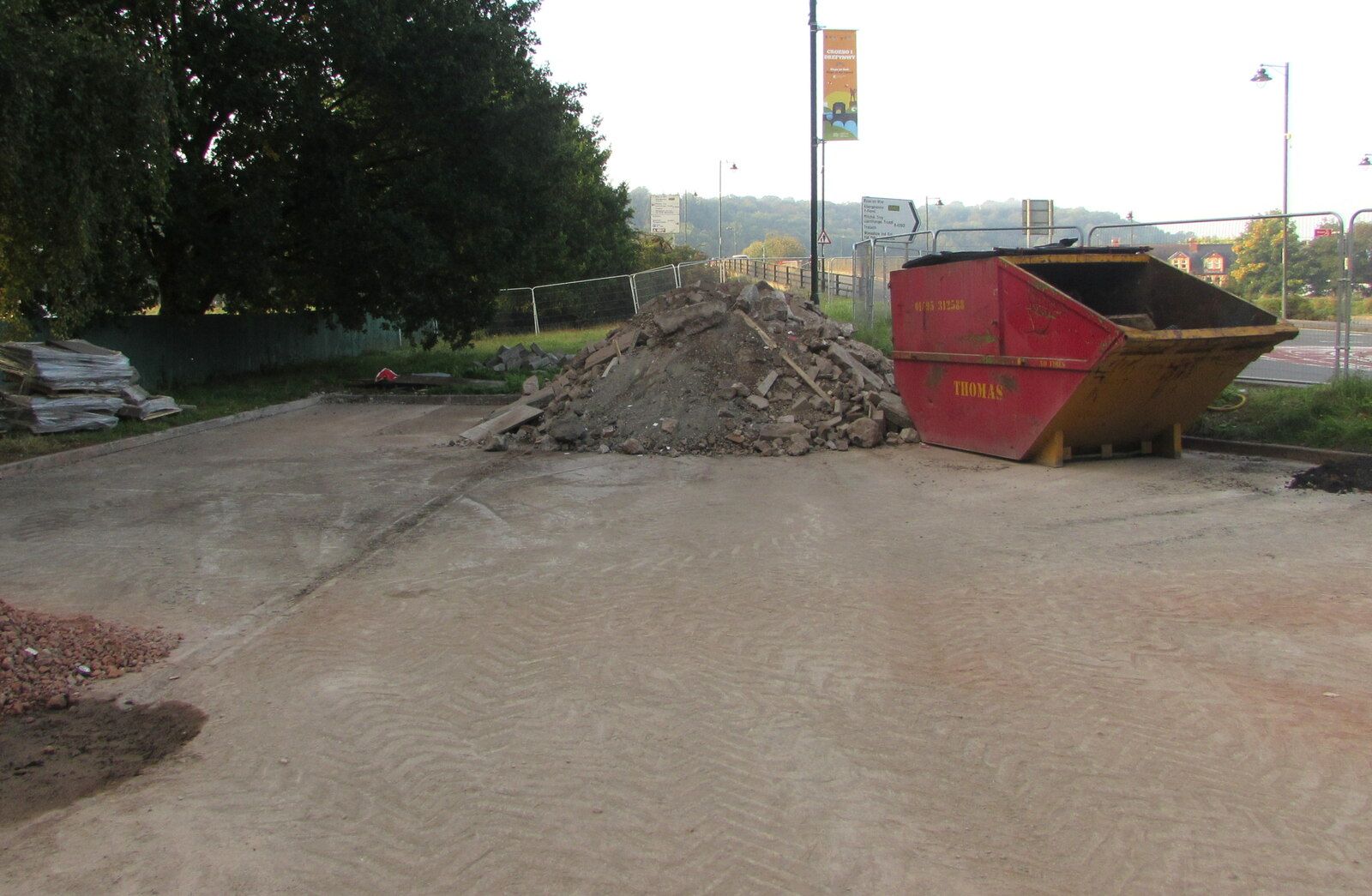
For larger jobs, rubble is usually loaded into a skip or container that is collected once full. Containers come in different sizes, and the company that delivers them takes them to an authorised site. For smaller jobs, rubble is often bagged and taken away by van.
Access is often the deciding factor in Istria. In the old towns of Rovinj/Rovigno, Poreč/Parenzo or the hill towns, lanes are narrow, steep or closed to traffic, and there is simply no space for a container. Then everything is carried out in bags to the nearest point a vehicle can reach, which takes more time and labour. If a container has to stand on a public road or parking space, permission from the town may be needed. Our article on renovating old-town houses goes into these access issues.
Recycling yards and bulky waste collection
Towns in Istria have recycling yards (reciklažna dvorišta) run by the local utility companies. Residents can usually bring sorted waste there, such as metals, wood, electrical equipment, bulky items and packaging. Some yards accept small quantities of construction waste from households, while larger amounts have to go to authorised sites. Many utility companies also offer collection of bulky household waste. What is accepted, in what quantities and on what terms differs from place to place, so check with the utility company for your municipality before you load the car.
Whatever the amount, rubble must never be left by the roadside, in the woods or next to the bins. Illegal dumping is a real problem in the countryside, it damages the landscape, and owners can be fined. When you hire someone to clear waste, it is reasonable to ask where it will be taken.
Clearing a house you have just bought
Many foreigners buy houses that come with years of contents: furniture, old appliances, tools, sometimes a full attic or konoba. Clearing this before the renovation makes everything easier: tradesmen can see the real condition, and quotes become more accurate. Useful items can sometimes be given away locally, the rest is sorted and removed. Our moving and transport service can help when items need to be moved or stored rather than thrown away.
What disposal means for your budget and schedule
Disposal is a real cost and should be listed in your quote, not left as a surprise. The price depends on the amount and type of waste, whether a container can be placed near the house, how far everything has to be carried and the distance to the disposal site. A good quote says whether demolition, loading, transport and disposal are included. Our article on getting a fair renovation quote explains what else to look for, and the renovation cost calculator gives a first idea of the overall budget.
In terms of time, stripping out is usually quick compared with the rest of the job, but in old towns with difficult access it can take several days longer. See how long a renovation takes in Istria for more on planning. With Istria Renovation you have one contact person who organises the demolition crew and removal along with the renovation work that follows.
Send us photos or a video of what needs to come out on WhatsApp, along with your location. We will give you a rough price range for demolition and removal.
Frequently asked questions
Where can I take construction rubble in Istria?
Rubble has to go to an authorised disposal or recycling site. Some recycling yards run by local utility companies accept small quantities from households. For larger amounts, a container service or the contractor arranges disposal. Check with the utility company in your municipality.
Do I need permission to put a skip in front of my house?
On your own land usually not. If the container stands on a public road, pavement or parking space, the town may require permission. Ask the municipality or let the contractor arrange it.
How do I get rid of old furniture in Croatia?
Many utility companies collect bulky household waste or accept it at recycling yards. Terms differ between towns, so check locally. For a full house clearance, it is usually easier to have the items sorted and removed in one go.
What should I do if I find asbestos in an old house?
Do not break, cut or drill it. Have it assessed and removed by an authorised specialist company, which also arranges proper disposal.