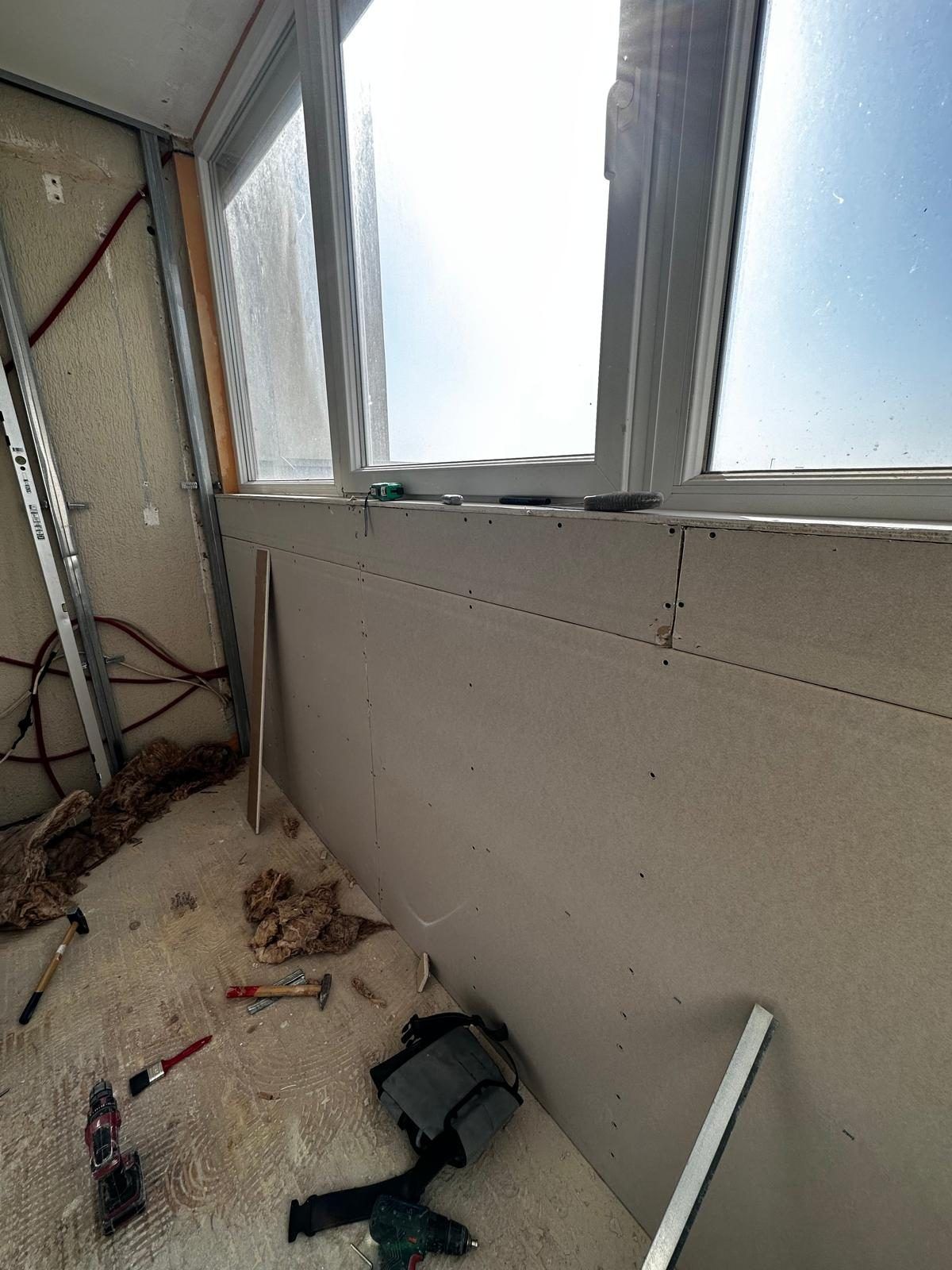
Many foreign owners discover the same thing in their first winter in Istria: the house that felt pleasantly cool in July is cold, a little damp and expensive to heat in January. Then, in August, the top floor turns into an oven. Insulation can fix a lot of this, but an old Istrian house is not a new-build, and the wrong insulation in the wrong place can cause more problems than it solves.
This guide explains where heat is really lost in a typical older house, what works on thick stone walls, what works on the 1970s–1990s brick and block houses that are common across the peninsula, and why in Istria you should think about summer heat at least as much as winter cold.
Know your house first: stone, brick or block
Before choosing any material, it helps to know what your walls are made of. Roughly, older houses in Istria fall into two groups.
- Traditional stone houses. Farmhouses inland around Motovun/Montona or Grožnjan/Grisignana and old-town houses in Rovinj/Rovigno or Poreč/Parenzo often have walls 50 cm thick or more, built from limestone with lime mortar. These walls hold moisture and release it again. They need to breathe.
- 1970s–1990s family houses. Usually hollow clay block or concrete block, a concrete slab between floors, and often no insulation at all. These behave much more like a modern building and are generally easier to insulate.
- Mixed houses. Very common: an old stone core with a later block extension, a raised roof or a new concrete floor. Each part may need a different approach.
If you are not sure what you have, our guide to types of houses in Istria walks through the typical construction of each.
Start at the top: roof and ceilings
In most old houses the roof is where the biggest gains are, both in winter and in summer. Heat rises and escapes through an uninsulated roof, and in summer the sun on the tiles heats the space directly below. An uninsulated top floor under a traditional tiled roof can be very uncomfortable in July and August.
Options depend on how the roof is built and whether you use the attic:
- Cold attic you do not use. Insulating the floor of the attic (the ceiling of the rooms below) is usually the simplest and most cost-effective step. Mineral wool or wood fibre laid between and over the joists works well.
- Rooms in the roof. Insulation goes between and under the rafters, finished with a drywall ceiling. Wood fibre is popular here because it is denser and slows summer heat better than light materials.
- Roof being re-tiled anyway. If the tiles are coming off, insulating above the rafters at the same time is often the best long-term solution. This is a roofing job and should be planned with a qualified roofer and, where needed, an engineer.
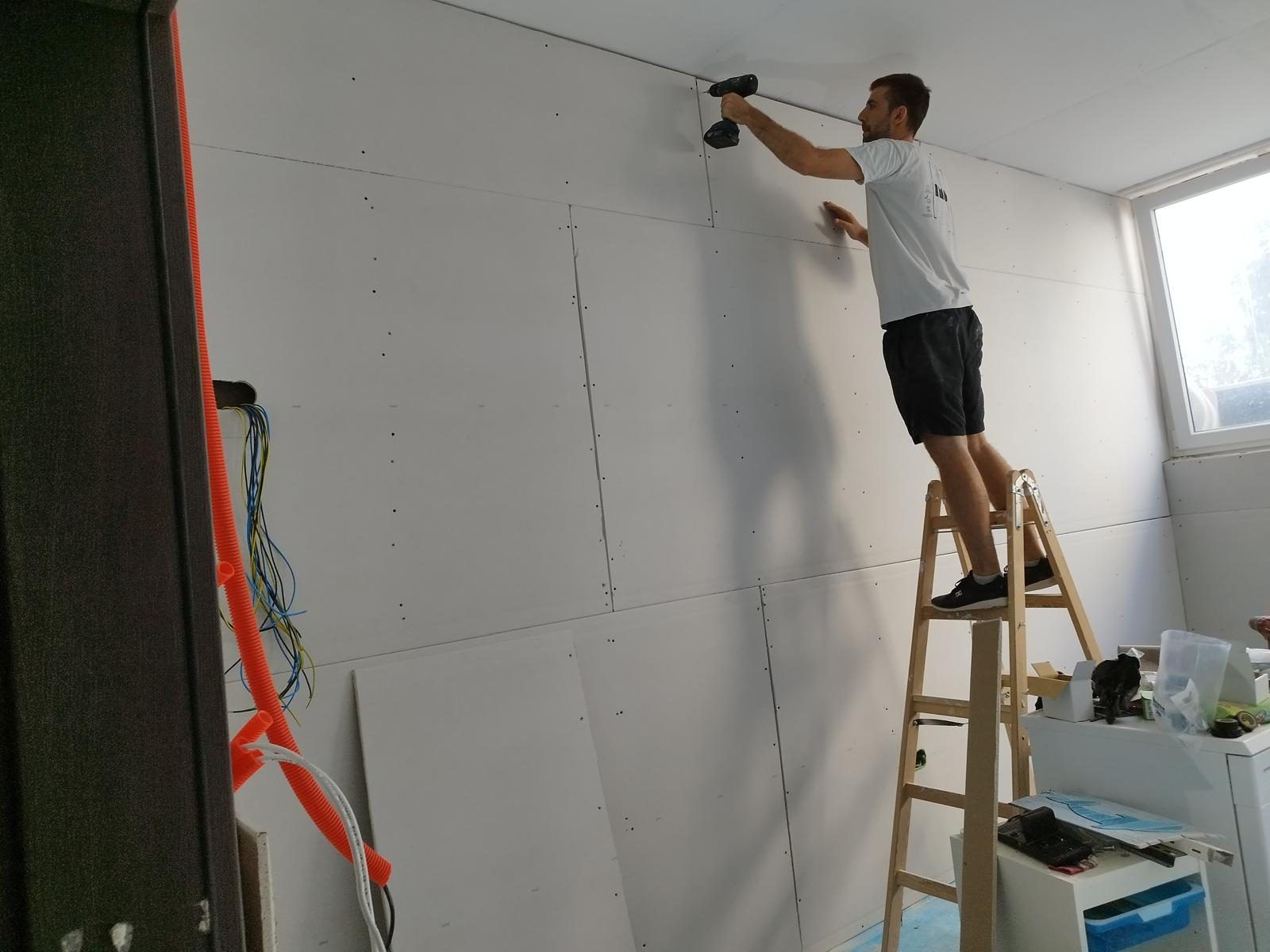
A suspended drywall ceiling also gives you a neat space for new wiring, recessed lights and air-conditioning pipes, which is useful in old houses where nothing was planned for them.
Stone walls: insulate gently, keep them breathing
This is where most mistakes happen. Thick stone walls with lime mortar move moisture: rain, ground damp and indoor humidity soak in and then dry out again. If you seal the wall with cement plaster, plastic membranes or closed foam boards, that moisture gets trapped. The results are damp patches, salt stains, mould behind furniture and plaster falling off a few years later.
Sensible approaches for stone walls are usually:
- Leave the outside alone. External insulation on a historic stone facade is rarely appropriate, often not allowed in old towns and protected areas, and it hides the stone you bought the house for.
- Fix damp before insulating. Rising damp, broken gutters and cement plaster at the base of the wall need to be dealt with first. See our article on damp in old stone walls.
- Use breathable materials inside. Lime plaster, lime-based insulating plaster, or vapour-open boards such as wood fibre or mineral boards fixed with lime adhesive. These add some warmth while letting the wall dry towards the room.
- Be careful with drywall linings on stone. A plasterboard lining with mineral wool behind it can work on a dry wall, but the details (gap, vapour control, ventilation of the cavity) matter a lot. On a damp stone wall it is usually a bad idea.
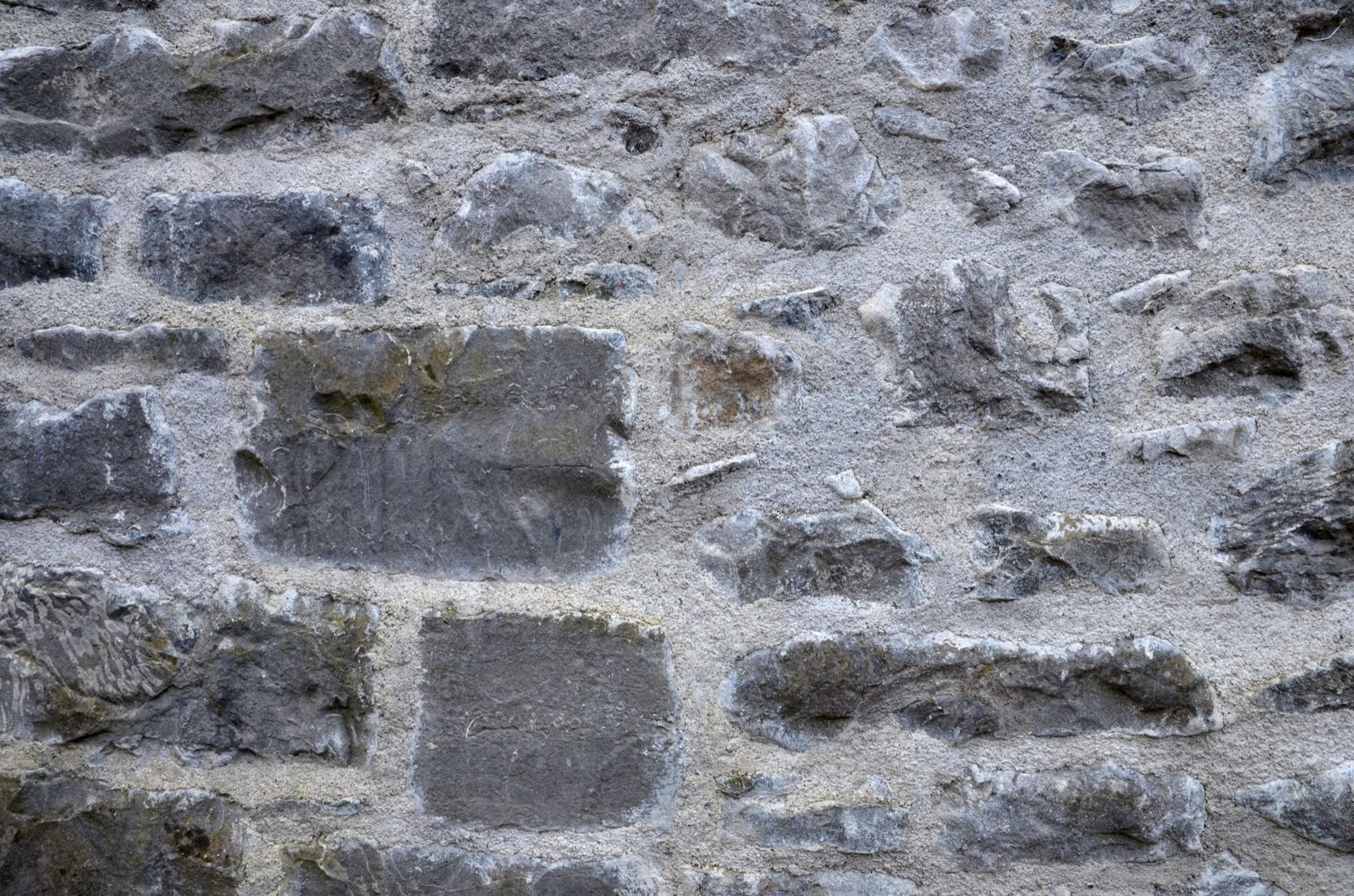
Honestly, the realistic goal for a stone wall is to make it dry and a bit warmer to the touch, not to turn it into a modern insulated wall. The roof, windows and floor usually bring more comfort per euro.
Brick and block houses: more options
Houses from the 1970s–1990s are more forgiving. External insulation (a so-called thermal facade, with insulation boards and a thin render) is common on these houses in Istria and can make a real difference. It also covers cold spots at concrete beams and floor slabs, which are typical sources of condensation and black mould in corners.
Where the outside cannot be changed (a shared building, rules in your area, or a facade you want to keep), an internal lining with insulation and plasterboard is a practical alternative. It takes a few centimetres off each room, and sockets, radiators and window reveals need to be adjusted. Our article on modernising a 1970s–1990s house covers this together with windows, wiring and plumbing.
Whether external insulation needs approval depends on the building, the municipality and whether the house is in a protected zone. Check with the municipality or a licensed architect before planning it.
Windows, doors and the small leaks
Old single-glazed windows and gaps around frames let in a lot of cold air when the bura blows. Replacing them is often one of the most noticeable improvements. Our guide to PVC, wood or aluminium windows near the sea compares the options, and our window installation page explains how we handle the work.
One warning: new, airtight windows in an old house reduce natural ventilation. If you also cook, shower and dry laundry inside, humidity has to go somewhere. Plan for regular airing, a good bathroom extractor fan or trickle vents, especially in stone houses.
Smaller jobs also count: sealing gaps around doors, insulating the box of roller shutters, and closing old chimney flues you do not use.
Summer heat: the Istrian part of the job
In much of northern Europe insulation is about winter. In Istria, staying cool in July and August matters as much. Some practical points:
- Heavy materials help in summer. Thick stone walls and dense insulation such as wood fibre slow the heat down, so the day's heat arrives in the evening when you can open the windows.
- Shade before the sun hits the glass. Traditional wooden shutters (škure), external blinds, pergolas and vines keep heat out far better than curtains inside.
- Night ventilation. Opening windows on opposite sides at night, when the air cools, is free and very effective in a house with thick walls.
- Light-coloured roofs and walls absorb less heat.
Good insulation also makes air-conditioning or a heat pump cheaper to run. If you are adding units, plan the cables and pipes before the walls and ceilings are closed. See our page on electrical work.
What it costs and how to plan it
Prices depend heavily on the house, access, the materials and how much finishing work follows (plastering, painting, moving sockets). We prefer not to quote numbers without seeing the house. For a first rough idea of a wider project you can use our free renovation cost calculator, and our article on renovation costs in Istria explains what moves the price.
A sensible order is usually: fix leaks and damp, insulate the roof or top ceiling, replace windows, then deal with walls and floors. Doing insulation together with a wider renovation saves money, because the rooms are already open.
Send us photos or a short video of your house on WhatsApp, including walls, roof space and windows, and we will tell you what makes sense and give you a rough price range before a visit.
Frequently asked questions
Can I put polystyrene insulation on an old stone house in Istria?
Usually not a good idea. Polystyrene and similar closed boards stop stone walls from drying, which tends to cause damp, salt stains and mould. Breathable materials such as lime-based plasters or wood fibre are generally safer for stone.
What is the most effective insulation for an old house in Istria?
In most cases the roof or top-floor ceiling. It reduces heat loss in winter and keeps the upper rooms noticeably cooler in summer. Windows usually come next.
Do I need a permit to insulate my house in Croatia?
It depends on the building, the municipality and whether the house is in a protected area. Internal work is usually simpler than changing the facade. Check with the municipality or a licensed architect before planning external insulation.
Will insulation keep my house cool in summer?
Yes, especially roof insulation made from denser materials such as wood fibre, combined with external shading like shutters and with night ventilation. Insulation alone will not replace shade.