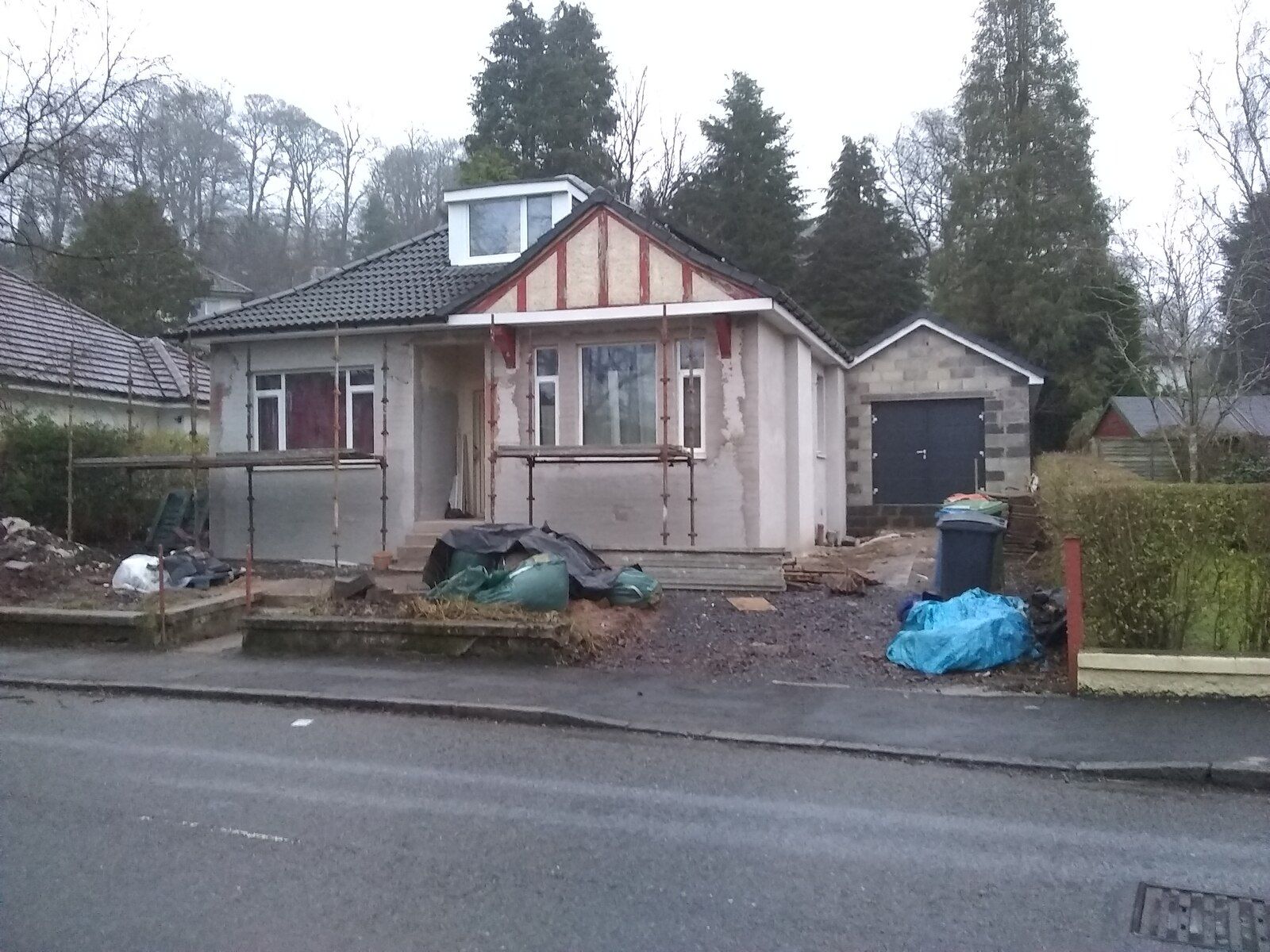
Drive through any village between Poreč/Parenzo and Pula/Pola and you will see them: two- or three-storey family houses with a large terrace, an outside staircase and roller shutters. Most were built between the 1970s and the 1990s, often in stages, often by the family itself. Many foreigners buy one because it is cheaper than a stone house, has more space and sits on a decent plot.
These houses are usually structurally sound. What they lack is comfort and efficiency: little or no insulation, tired windows, old wiring and pipes, and a layout made for a different way of living. The good news is that all of this can be fixed step by step, without the surprises of an old stone ruin. This guide goes through the main areas and the order that usually makes sense.
What you are typically buying
Every house is different, but houses from this period in Istria tend to share some features. Knowing them helps you read a viewing and a survey.
- Walls. Hollow clay blocks or concrete blocks, rendered on both sides, with reinforced concrete beams and slabs. Usually no insulation in the walls.
- Roof. A pitched roof with clay tiles over a concrete slab, or sometimes a flat roof or a large roof terrace. Insulation in the roof is often thin or missing.
- Windows. Original wooden windows with single or early double glazing, roller shutter boxes that let in draughts, or an older round of replacements.
- Services. Electrics and plumbing from the time of building, sometimes extended over the years by different people, often without drawings.
- Layout. Often one flat per floor, built for different generations of one family, with small rooms, long corridors and separate kitchens.
If you are still comparing house types, our overview of types of houses in Istria explains how these family houses differ from stone farmhouses and newer villas.
Insulation and the building envelope
Comfort in an Istrian house is as much about summer heat as winter cold. An uninsulated block wall and a thin roof let heat in during July and out during January. The usual upgrades are:
- External wall insulation. An insulation system on the facade with a new render finish. It keeps the walls warm, removes most thermal bridges at concrete beams and gives the house a fresh exterior at the same time.
- Roof or top ceiling insulation. Often the most effective single step, because the top floor suffers most in summer. Depending on the roof, insulation goes above the slab, between rafters or into a new drywall ceiling.
- Terraces over living rooms. Large terraces built on top of rooms are a common source of leaks and cold ceilings. Redoing the waterproofing and insulation is disruptive but usually worth it.
- Internal linings. Where the facade cannot be touched, insulated drywall linings on the inside are an option for individual rooms, with careful attention to condensation.
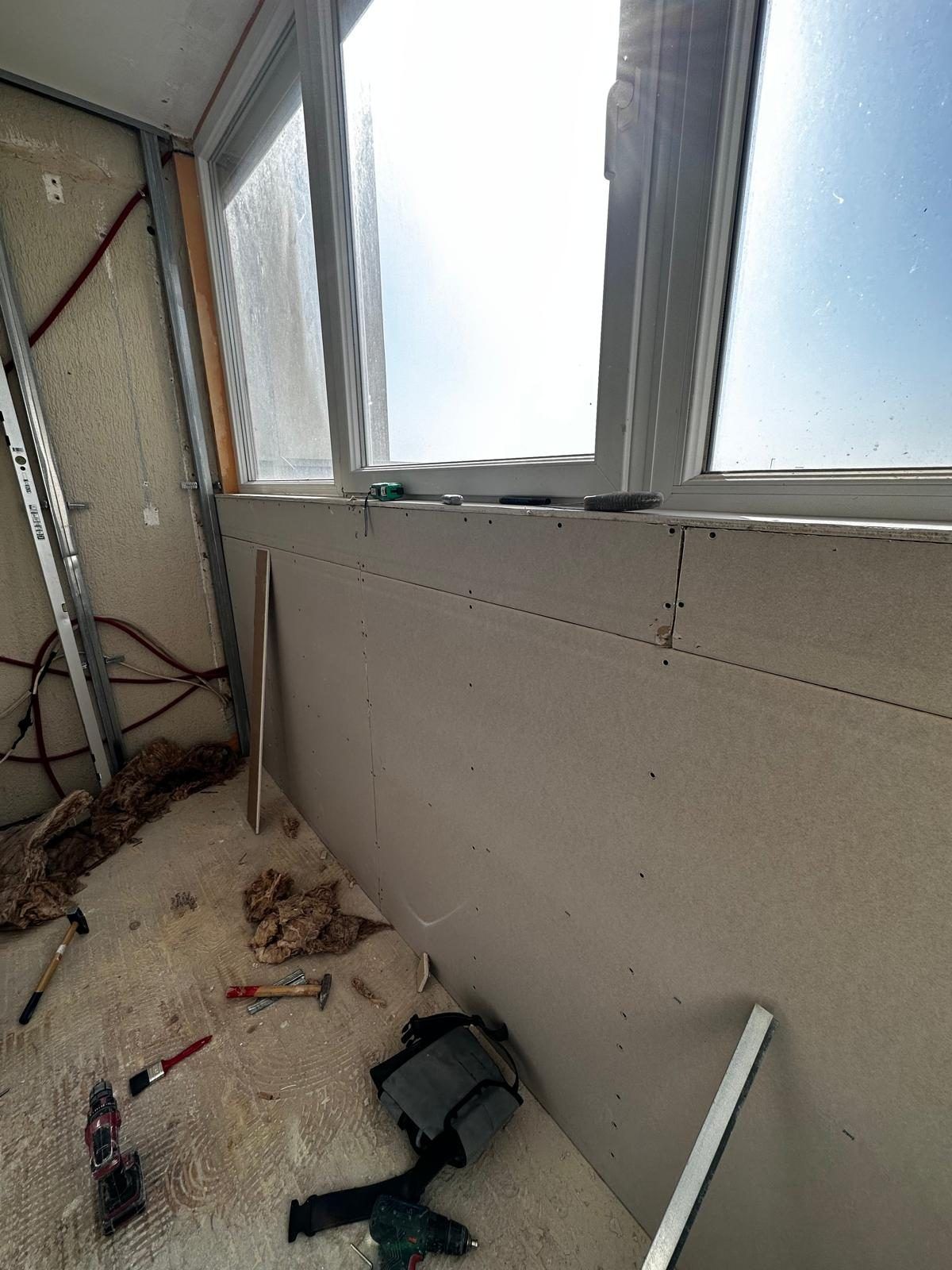
Facade work may need scaffolding and, in some places, approval or notification, especially if the appearance of the house changes. Rules depend on the municipality and the specific building, so check with a licensed architect or engineer before you plan visible changes. Our article on insulating an old house in Istria goes deeper into materials and summer heat.
Windows, doors and shutters
Replacing windows is usually the upgrade owners notice first: quieter rooms, no draughts, less dust and easier cleaning. PVC with good double glazing is the most common choice for houses of this age, while wood or aluminium are options where appearance matters or near the sea.
Pay attention to three details that are easy to forget. First, the old roller shutter boxes: replacing or insulating them matters as much as the window itself. Second, the reveals around the new frames need proper finishing, otherwise you get cracks and cold edges. Third, mosquito nets: in Istria they are not a luxury. Our window and door installation page explains how we handle the whole job, from measuring to the finished reveals.
Electrics: often the most urgent upgrade
Wiring from the 1970s and 1980s was designed for a fridge, a cooker and a few lights. Today the same house has to carry air conditioning in several rooms, an electric water heater, a dishwasher, an induction hob and perhaps a heat pump or an electric car charger.
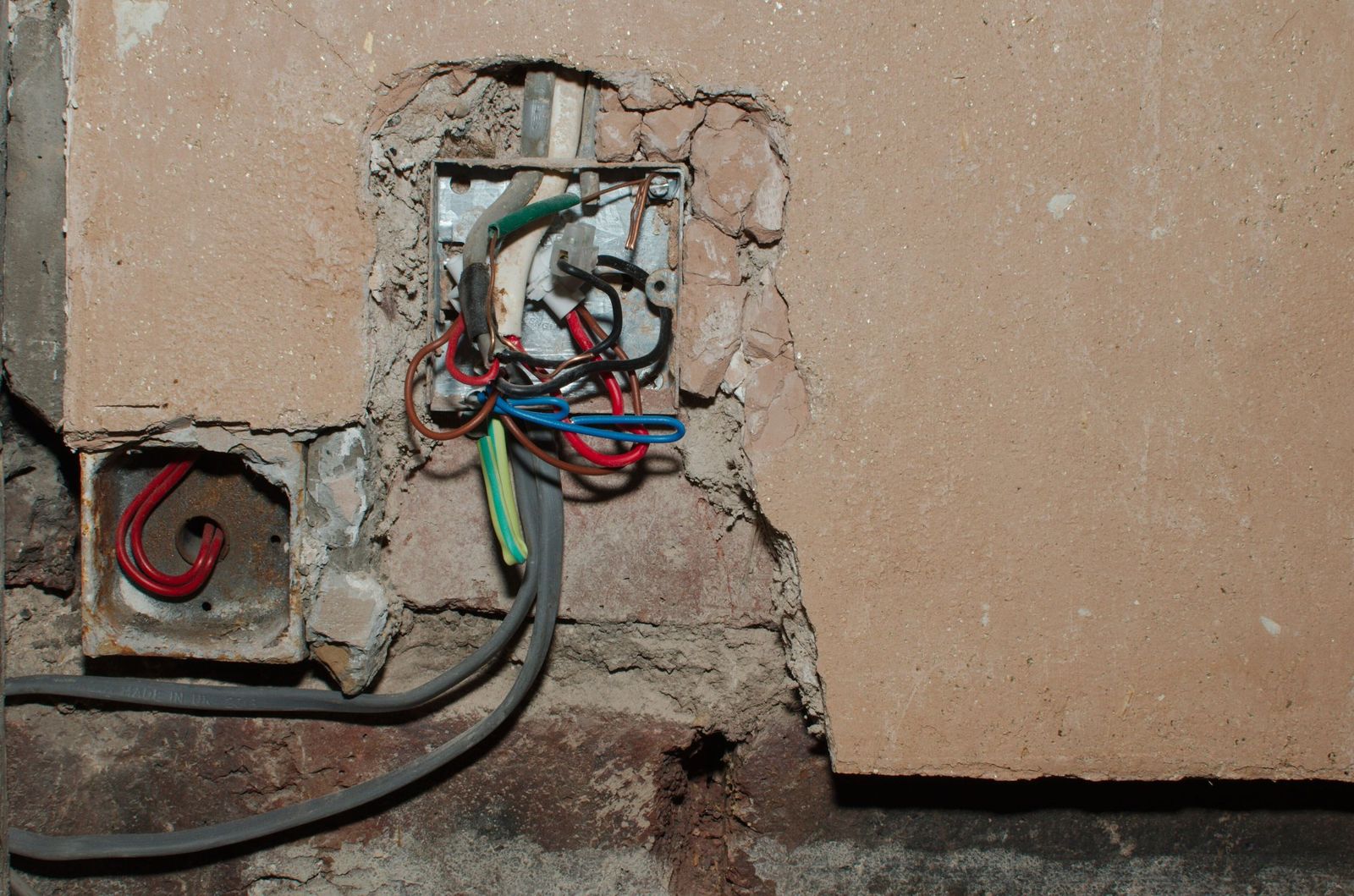
Typical problems are an old fuse board, missing earth connections in some circuits, too few sockets and circuits shared between many rooms. A qualified electrician should check the installation and tell you whether it can be upgraded in parts or needs replacing. If you are renovating rooms anyway, that is the moment to rewire: chasing walls after new plaster and paint is wasted money. All electrical work should be done by qualified electricians, and you should ask for the documentation at the end.
Plumbing, water heating and drainage
Old galvanised steel pipes rust from the inside and narrow over time, and Istrian water is hard, so limescale makes things worse. Low pressure, brown water after a holiday and leaks inside walls are warning signs. Replacing supply pipes with modern plastic or multilayer pipes is normally done together with bathroom and kitchen renovations, when walls and floors are open anyway.
Also check the drainage. Some houses from this period were built with a septic tank and later connected to the public sewer, others still rely on the tank. Find out which applies, where the tank is and when it was last emptied. A plumber can inspect drains with a camera if you suspect problems.
Rethinking the layout
Many buyers want to open up small rooms, create a larger kitchen and living area, or turn one floor into a separate holiday apartment. In houses with a concrete frame this is often possible, but you need to know which walls carry load. Never remove a wall before a structural engineer has looked at it.
Non-structural changes are easier. Drywall partitions let you move doors, create a walk-in wardrobe or split a large room, and new ceilings can hide cables, ventilation and lighting. Combining the layout work with new floors, bathrooms and a kitchen is where a full house renovation makes sense, because the trades can work in the right order once instead of coming back for every room.
In which order should you do it?
The right order saves money and avoids damaging finished work. A sensible sequence for most houses looks like this:
- Survey and plan. Have the structure, roof, electrics and plumbing checked, decide on the layout and get rough prices.
- Roof and waterproofing. Fix leaks first: nothing inside is safe until the house is dry.
- Windows and openings. New windows before plastering and painting, so the reveals can be finished properly.
- Services. Electrics, plumbing and heating or cooling routes while walls and floors are open.
- Interior works. Drywall, plaster, screeds, tiling and floors.
- Facade insulation. Often done in parallel with interior work, depending on weather and scaffolding.
- Kitchen, painting and finishing. Last, when the dust is gone.
Not everything has to happen in one year. Many owners spread the work over two or three winters, starting with the roof, windows and electrics. Before you commit, use our free renovation cost calculator for a first idea of the budget, and read how much a renovation costs in Istria to understand what moves the price.
Own or are you buying a 1970s–1990s house in Istria? Send us photos and a short video on WhatsApp and we will tell you what we see, what to prioritise and a rough price range before we visit.
Frequently asked questions
Is a 1970s–1990s house in Istria a good alternative to a stone house?
Often yes. These houses usually have a solid concrete frame, more space and fewer structural surprises than old stone houses. The main costs are insulation, windows, electrics and plumbing, which are predictable and can be done in stages.
Do I need a permit to insulate the facade or replace windows?
For many family houses, insulation and window replacement do not need a building permit, but rules depend on the municipality, protected zones and whether the appearance changes. Check with a licensed architect or engineer or the municipality before starting.
Should I replace all the wiring in an older Croatian house?
Not always, but it is common. A qualified electrician should inspect the installation. If the fuse board is old, earth connections are missing or you plan air conditioning and electric heating, a full or partial rewire is usually the safe choice.
Can I remove walls to create an open-plan living area?
Often, but only after a structural engineer has confirmed which walls carry load. Concrete-frame houses usually allow more freedom than stone houses, yet some walls support slabs and must stay or be replaced with a beam.