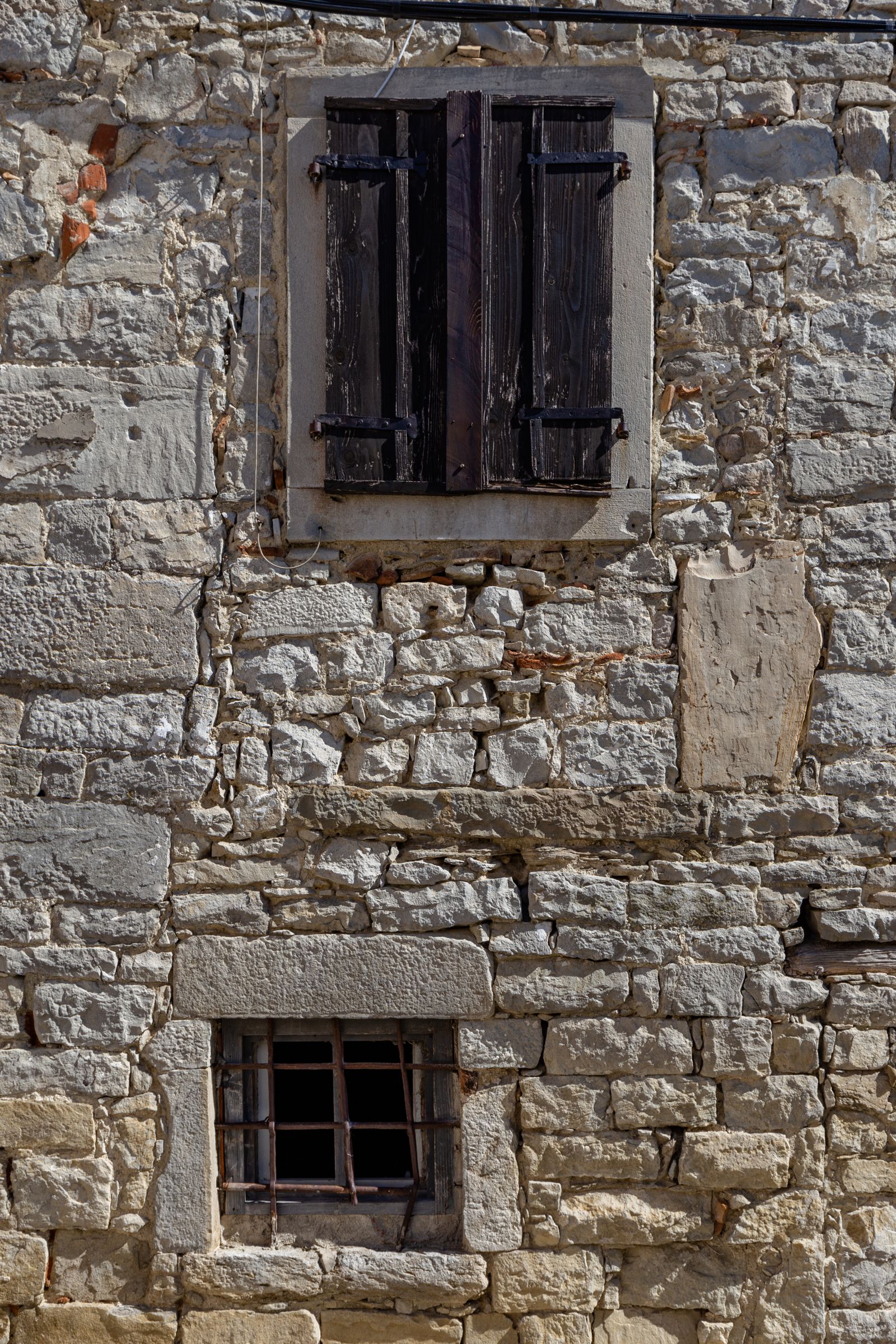
A roofless stone house on a hill, a fig tree growing through the kitchen and a view over vineyards towards the sea. Many people fall in love with Istria this way. Ruins are still on the market in inland villages around Motovun/Montona, Grožnjan/Grisignana, Buje and Labin, and the asking prices can look tempting compared with a finished house.
The price of the ruin, however, is usually the smallest part of the total. This article is a calm reality check: what to look at before you sign, which costs are easy to overlook and how long a restoration realistically takes. It is not meant to talk you out of it. Well-restored stone houses are among the most beautiful homes in the region.
First check the paperwork, then the stones
Before the building itself, find out what you are actually buying. In Istria, older properties often have complicated histories, and paperwork problems can stop a project for years. Use an independent lawyer who works for you, not for the seller or the agency, and ask them to check at least:
- Ownership. Whether the land registry shows the seller as the owner of the whole property. Old village houses are often co-owned by many heirs, some living abroad.
- Land registry and cadastre. Whether the building and plot shown on paper match what is on the ground. Differences are common and take time to correct.
- Legal status of the building. Whether the existing building is legally recorded. Very old buildings are often treated as existing legally, but this has to be proven with documents.
- Planning zone. Whether the plot is inside the building zone and what the spatial plan allows: size, height, extensions, a pool.
- Access and protection. Whether there is legal access by road, and whether the village or building is in a protected heritage zone, which affects windows, roofs and materials.
Then talk to a licensed architect about what you want to build. They can tell you whether your plan is realistic under the local rules and which permits or approvals the project is likely to need. Our general guide to renovation permits in Croatia explains the basics.
What to inspect on the building
Take a structural engineer or an experienced builder to the viewing. A few hours on site can save tens of thousands later. The main points:
- Walls. Bulging, large cracks, corners pulling apart and mortar washed out of the joints. Istrian stone walls are often two leaves of stone with rubble in between, and once the roof is gone, rain gets inside the wall core.
- Roof. If the roof has collapsed, assume a completely new roof structure. Even if it still stands, old timber beams are often rotten at the ends where they sit in the wall.
- Floors and vaults. Old timber floors rarely can be kept as structure. Stone vaults in the konoba can be beautiful, but check them for cracks.
- Damp. Rising damp at the base of walls, earth piled against the outside, and cement render that traps moisture. See our article on damp in old stone walls.
- Foundations and ground. Many old houses sit on rock with shallow or no foundations. Check slopes, retaining walls and signs of movement.
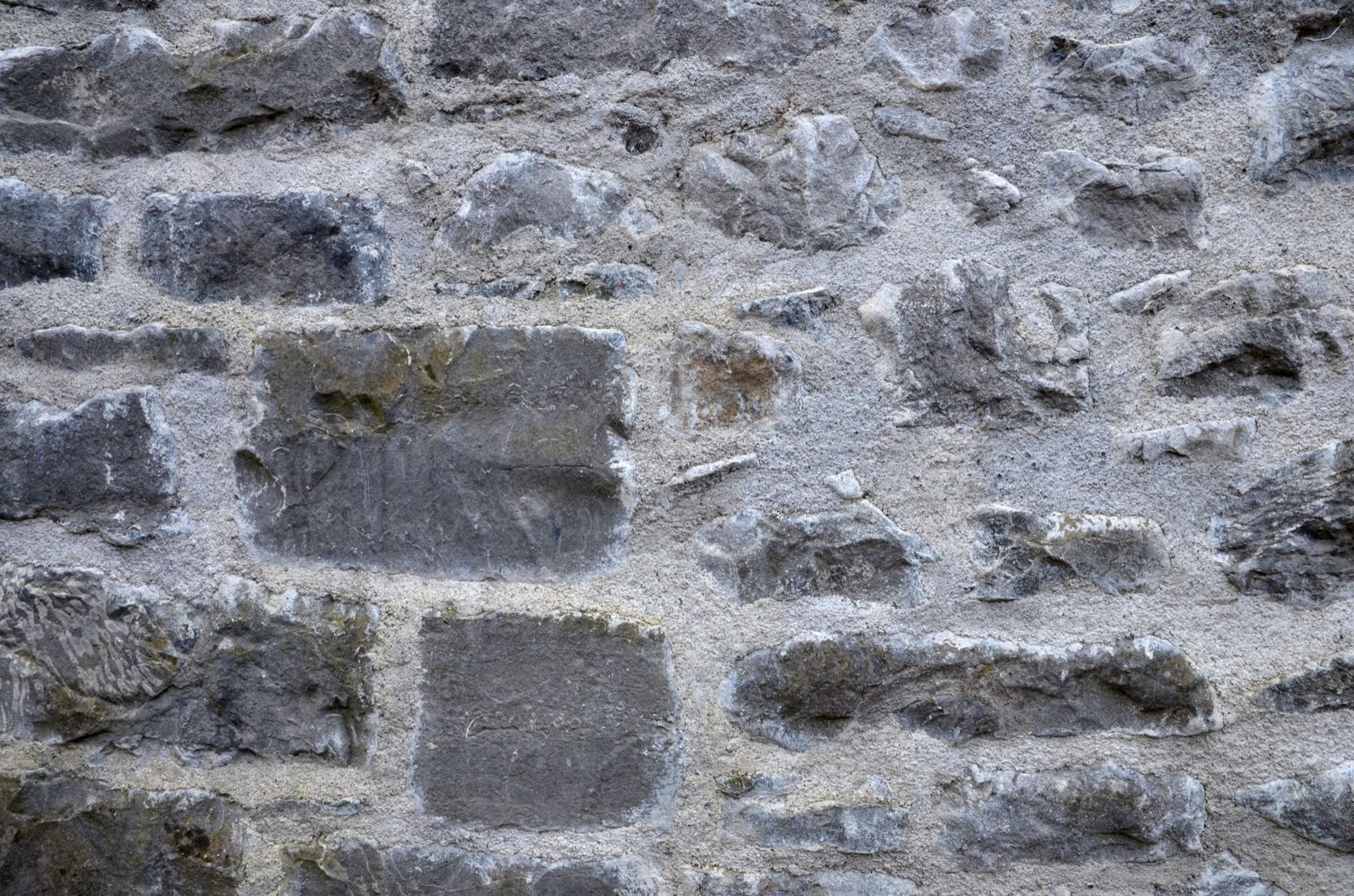
Ask yourself honestly how much of the original building will remain. In some ruins only the outer walls can be kept, and even they need consolidation, new lintels and a reinforced ring beam under the roof. That is still a renovation in spirit, but in cost and effort it is close to a new build.
The hidden costs behind a low price
When owners compare the final bill with the purchase price, these items usually explain the gap:
- Professional fees. Lawyer, surveyor, architect, structural engineer and, if needed, a heritage conservation opinion.
- Utility connections. Electricity, water and sometimes a new septic tank or treatment unit where there is no sewer. In remote spots, bringing services to the house can cost a lot.
- Access. Narrow lanes and steep drives mean smaller machines, more handwork and more transport. Material may have to be carried the last few metres.
- Demolition and waste. Old roofs, collapsed floors and decades of rubbish have to be removed and disposed of properly. See our demolition and waste removal service.
- Stonework. Repointing with lime mortar, rebuilding sections of wall and reusing original stone is skilled, slow work.
- Everything a house needs. Electrics, plumbing, heating and cooling, windows, floors, bathrooms and a kitchen all start from zero.
- Outside works. Retaining walls, paving, drainage, fences and a garden that has been wild for decades.
For a first rough idea of the scale, try our free renovation cost calculator and read how much a renovation costs in Istria. A full restoration of a ruin usually lands in the upper ranges described there, or above them.
A realistic timeline
The time is not only building time. A typical project goes through these stages:
- Purchase and legal checks. Weeks to months, longer if ownership or land registry entries need correcting.
- Design and approvals. The architect prepares the project and the required permits or approvals are obtained. This often takes several months, sometimes more.
- Tendering and planning the trades. Getting comparable quotes and booking good tradesmen, who are busy before the season.
- Shell works. Demolition, wall consolidation, roof, floors and openings.
- Services and interior. Electrics, plumbing, plaster, screeds, tiling, windows and floors.
- Finishing and outside works. Kitchen, painting, terraces and garden.
From buying the ruin to moving in, more than a year is normal and two years or more is not unusual. Some coastal municipalities also restrict noisy building work in the summer season, which is why many owners plan the heavy work for autumn, winter and spring. Our article on the best time to renovate in Istria explains this in more detail.
Managing a restoration from abroad
Most buyers of ruins do not live in Istria while the work goes on. That is workable if you have one reliable contact on site, a clear plan and regular reports. Ask for photos and short videos after every important step, especially before things are covered up: wiring in walls, pipes in floors, waterproofing and insulation.
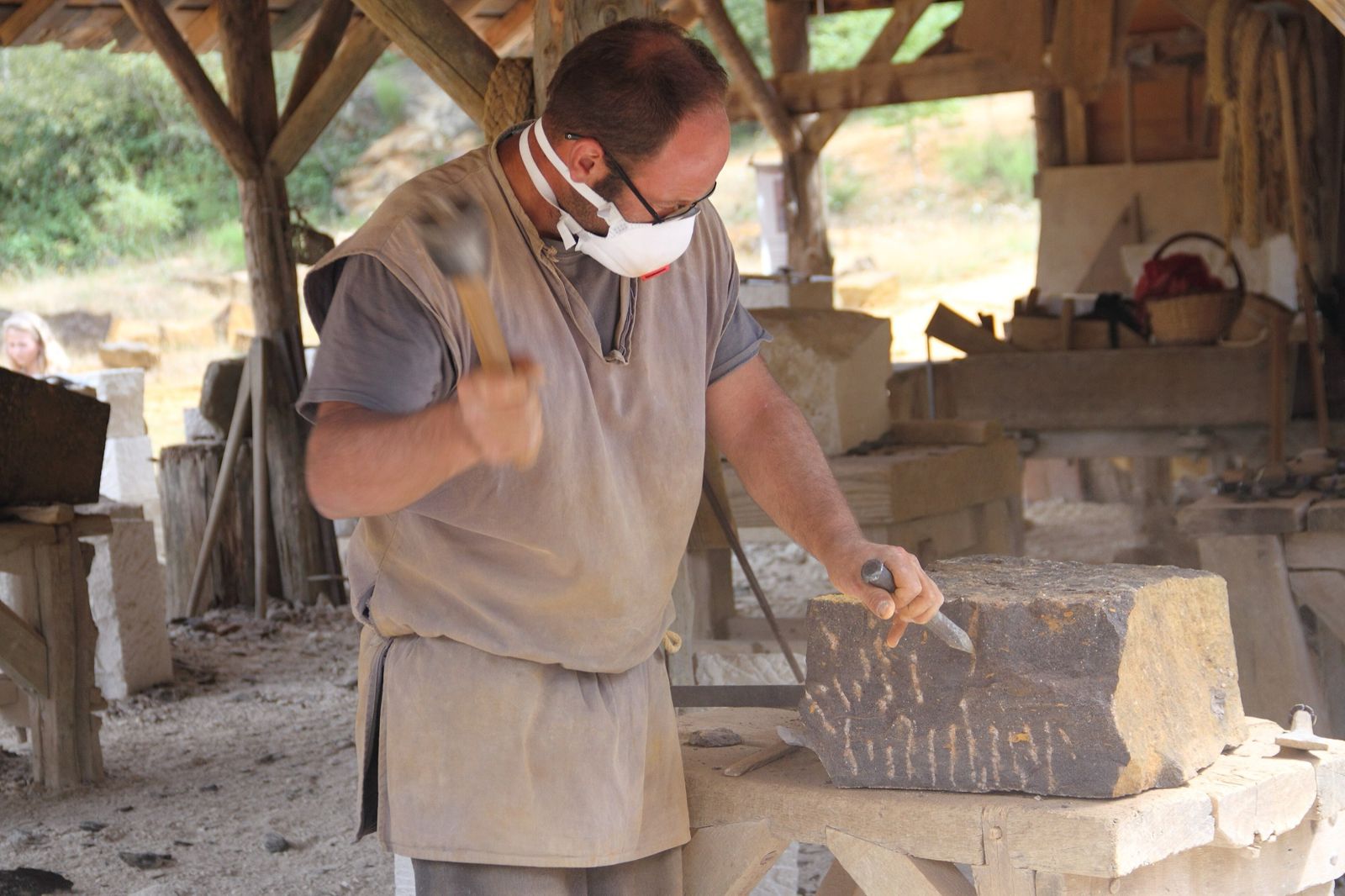
With us you have one contact person who speaks English, and for each part of the job we bring in the right trade from our network: masons, roofers, electricians, plumbers, tilers and painters. We send photo updates while you are away. If you want to know more about the overall approach to old stone buildings, read renovating an Istrian stone house or see our house renovation service.
Is it worth it?
If you choose the right building, check the papers properly, budget honestly and accept that it takes time, a restored stone house can be a wonderful home. If any of these points is missing, the same project can become stressful and far more expensive than planned. Before you sign, get the building looked at by someone who renovates, not someone who sells.
Looking at a ruin in Istria? Send us photos and a video on WhatsApp before you buy, and we will give you an honest first opinion on the condition and a rough idea of the work involved.
Frequently asked questions
How much does it cost to renovate a ruin in Istria?
It depends on how much of the building can be kept, access, utilities and finish level. A full restoration of a ruin is usually close to or above the cost of a new build per square metre. Use a cost calculator for a first idea and get a site inspection before buying.
Can foreigners buy a ruin in Croatia?
EU citizens can generally buy property in Croatia under the same conditions as Croatian citizens, while other nationalities may face additional requirements. Agricultural land has its own rules. Ask an independent lawyer to check your case.
How long does it take to restore a stone ruin in Istria?
Counting legal checks, design, approvals and construction, more than a year is normal and two years or more is common. Building work itself is often planned outside the summer season.
What is the biggest risk when buying a ruin?
Usually not the stones but the paperwork: unclear ownership, many co-owners, buildings not recorded correctly, or a plot that does not allow what you plan. A lawyer and an architect should check this before you sign.