Most holiday homes in Istria are full from June to September and then stand empty for six months or more. That quiet period is when a house is most at risk. Nobody opens the windows, nobody notices a drip under the sink, and the first sign of a loose roof tile after a storm is a stain on the bedroom ceiling in April.
Winters in Istria are mild compared with Central Europe, but they are wet, the bura can blow hard for days, and old stone houses hold moisture. This guide explains how to close the house in autumn, what to keep an eye on through winter, and how to open it again in spring.
Closing the house in autumn
Late October or November, after the last guests, is the time to put the house to bed. A careful closing day saves a lot of repair work later.
- Water. Decide whether to turn the main valve off. In most coastal houses that are empty for months, turning it off is the safer choice, because a leaking hose or cistern then cannot flood the house. In inland hill villages, where nights can drop below freezing, consider draining exposed pipes and outdoor taps.
- Water heater. Switch it off, or set it to frost protection if it has that setting. Ask a plumber if you are unsure whether it should be drained.
- Electrics. Switch off circuits you don't need, but leave on anything that protects the house, such as a dehumidifier, a frost-protection heater or an alarm.
- Fridge and freezer. Empty them, switch them off and leave the doors open so they don't go mouldy.
- Outside. Store cushions and light furniture, take down shade sails and awnings, fold parasols, tie down anything the bura could lift.
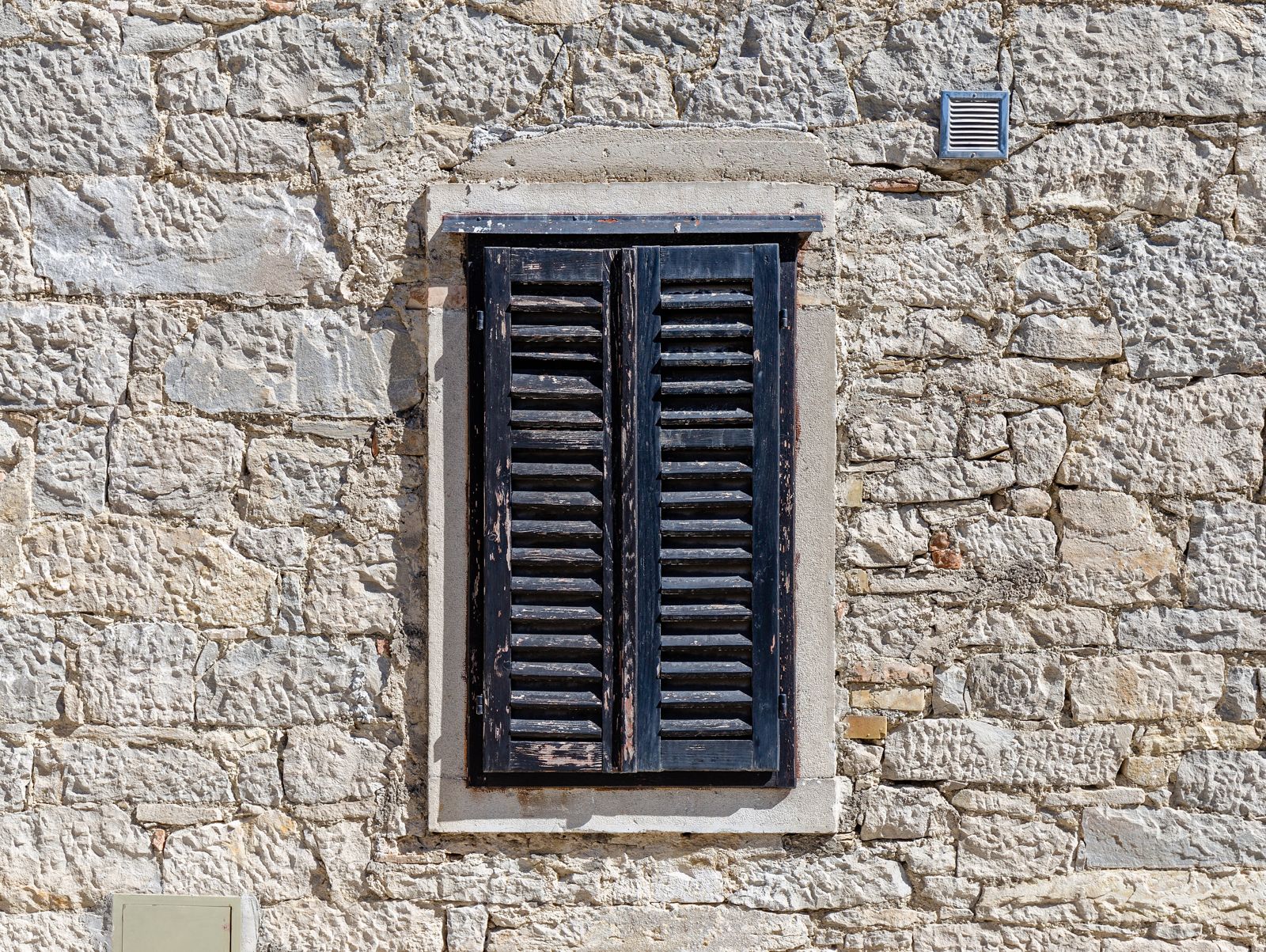
- Shutters and windows. Close shutters firmly and check the catches hold. Loose shutters bang in the wind and break hinges and glass.
The two big winter risks: damp and storms
Damp and mould
A closed stone house with no heating and no air movement will almost always get damp. Moisture rises from the ground into thick walls, condenses on cold surfaces and feeds mould on walls, mattresses and inside wardrobes. Signs to watch for are a musty smell, dark patches in corners and paint bubbling near the floor.
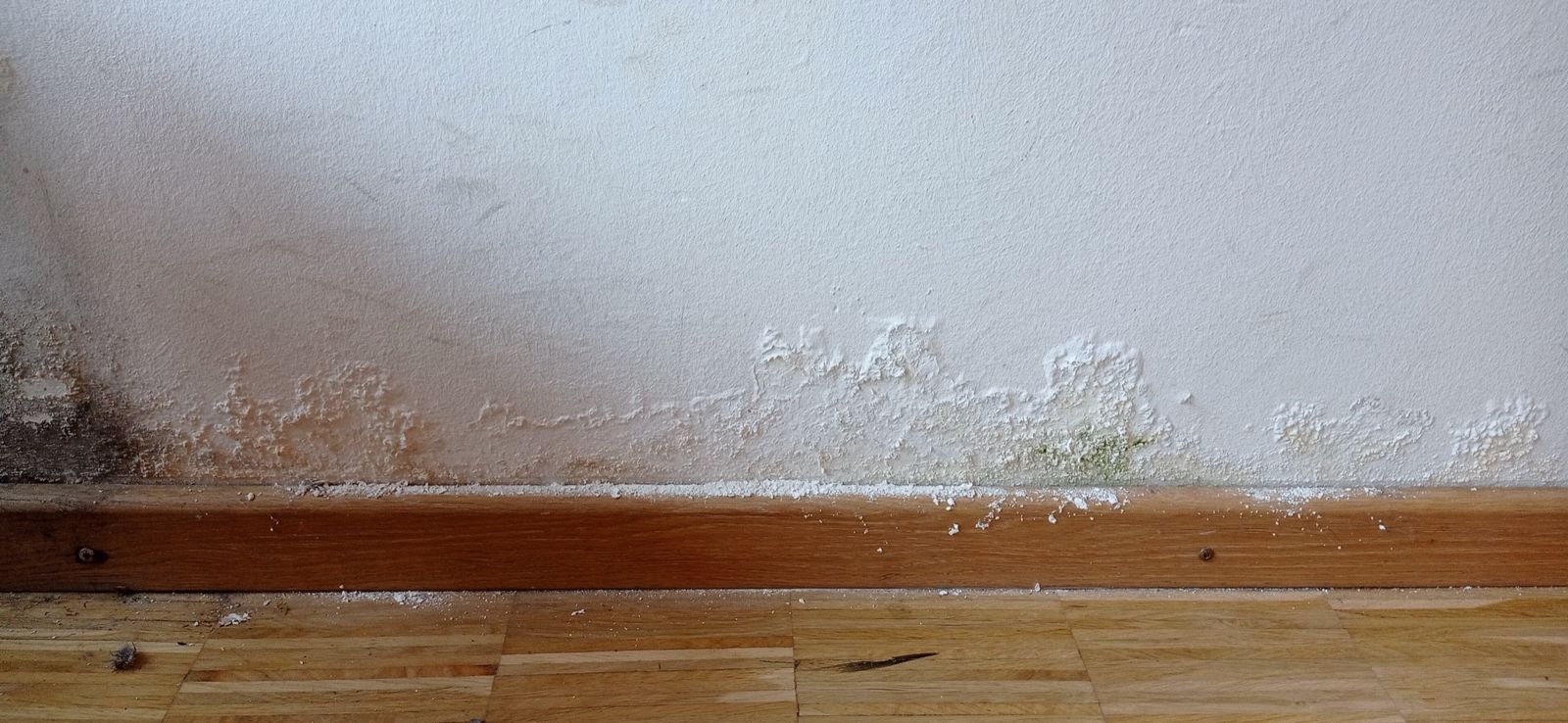
Sensible precautions are leaving internal doors and wardrobe doors open, pulling furniture a few centimetres away from outside walls, and running a dehumidifier with a hose to a drain if the electrics allow it. If the same wall gets wet every winter, the cause is usually rising damp, a wrong cement plaster or a leak, and it needs a proper fix. Our guide to damp in old stone walls explains the options.
Bura, rain and storms
The bura is a cold, gusty north-easterly wind that can blow for days in winter. Combined with heavy autumn rain and occasional storms from the south (jugo), it finds every weak point: loose roof tiles, blocked gutters, old window seals and flat roof terraces with tired waterproofing. Pine trees near the house add needles in gutters and, in strong storms, falling branches. Read more in how the Istrian climate affects your house.
Winter checks: who looks at the house?
Someone should see the house regularly through the winter, especially after a big storm. Many owners have a neighbour, caretaker or rental agency who does this. What matters is that the person actually goes inside, not just past the gate, and looks at:
- Ceilings under terraces and roofs, for new stains.
- Floors near the water heater, toilets and under sinks.
- Windows and doors after strong wind: broken glass, open shutters, water coming in.
- The roof and gutters from outside: slipped tiles, overflowing downpipes, fallen branches.
- The smell when the door opens: a strong musty smell means ventilation or damp needs attention.
We do not offer key-holding or regular house-sitting. Where we come in is when the person checking finds a problem: a leak, a broken window, storm damage or water on the floor. Through our holiday home maintenance and urgent repairs we send the right trade from our network, a plumber, a roofer or a glazier, and keep you updated with photos while you are abroad.
Use the off-season for bigger jobs
Winter is also the only realistic window for work you can't do with guests in the house. Between November and March tradesmen are easier to book, there are no guests to disturb, and in many coastal towns noisy work is restricted in summer anyway. Typical off-season jobs are:
- Replacing a tired bathroom or kitchen.
- Fixing damp walls properly and replastering with a breathable lime plaster.
- Repainting rooms, shutters and outside walls (outside work needs dry, mild days, so plan around the weather).
- Replacing old windows and doors that let in wind and rain.
- Upgrading the electrics before adding more air-conditioning units.
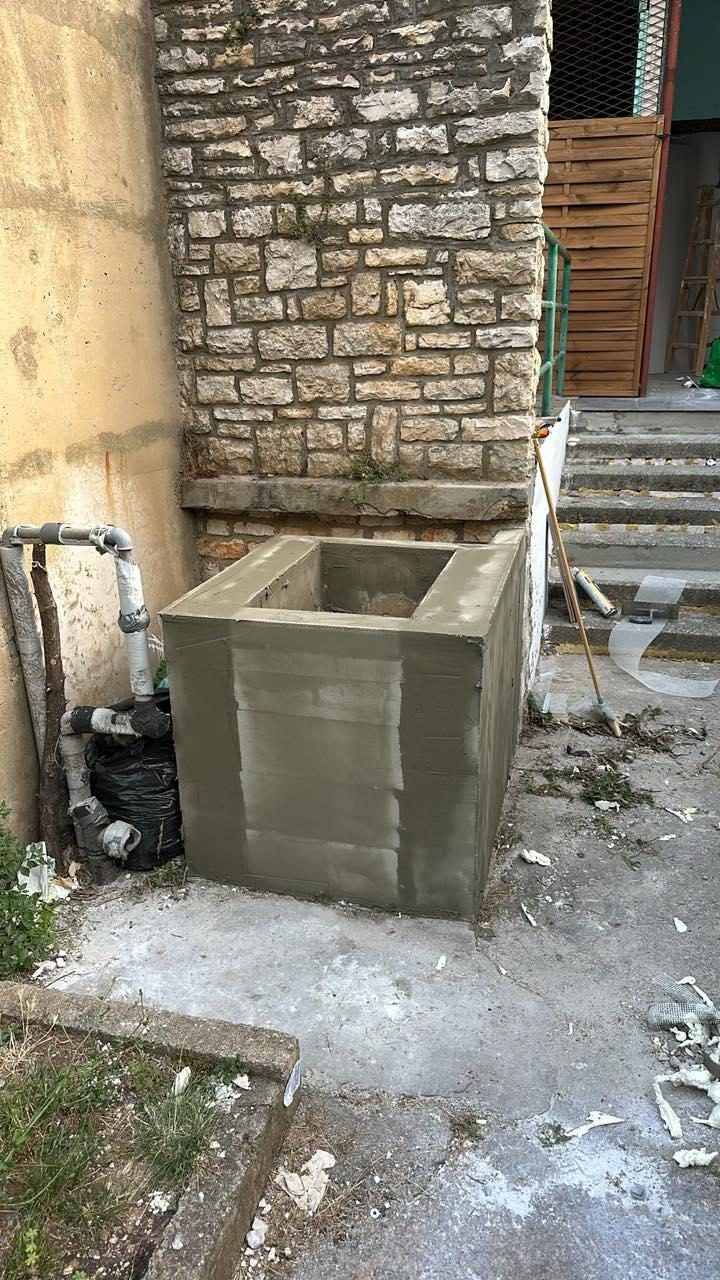
If you want to know what makes winter work easier or harder, our article on the best time of year to renovate in Istria goes into detail. For bigger projects, see our house and apartment renovation service.
Opening the house in spring
Opening day is the mirror image of closing day. Open all shutters and windows for a few hours. Turn the water on slowly and listen for running water where there shouldn't be any. Switch the water heater back on and check the safety valve. Test every socket, light and air-conditioning unit. Then walk through with your closing-day photos and compare.
Anything you find, write it down with a photo. The sooner it is on a list, the more likely it is fixed before the first booking. Our pre-season checklist for holiday rentals takes it from there.
A simple yearly rhythm
| When | What to do |
|---|---|
| October–November | Close the house, photograph everything, plan winter work |
| November–March | Regular checks inside, extra checks after storms; bigger repairs and renovation |
| March–April | Open the house, test water, electrics and air-conditioning, fix what winter left |
| May–October | Rental season; urgent repairs only, quick fixes between guests |
Closing your house for winter or found damage after a storm? Send photos on WhatsApp and we will tell you what needs doing and give you a rough price range.
Frequently asked questions
Should I turn off the water in my Istrian holiday home over winter?
In most cases, yes, if the house stays empty for months. A closed main valve means a failed hose or cistern cannot flood the house. In inland villages where nights can freeze, it is also worth draining exposed pipes and outdoor taps.
How do I stop mould in a holiday home that is closed all winter?
Leave internal and wardrobe doors open, move furniture slightly away from outside walls, and run a dehumidifier with a drain hose if possible. If the same wall gets wet every year, the cause (rising damp, cement plaster or a leak) needs a proper repair.
Who checks my house after a winter storm?
Usually a neighbour, caretaker or rental agency with a key. We do not offer key-holding, but if they find damage, we can arrange urgent repairs with the right tradesman and send you photo updates.
Is winter a good time to renovate a holiday home in Istria?
Yes. Tradesmen are easier to book, there are no guests, and many coastal towns restrict noisy work in summer. Outside painting and roof work need dry days, so allow for some weather delays.