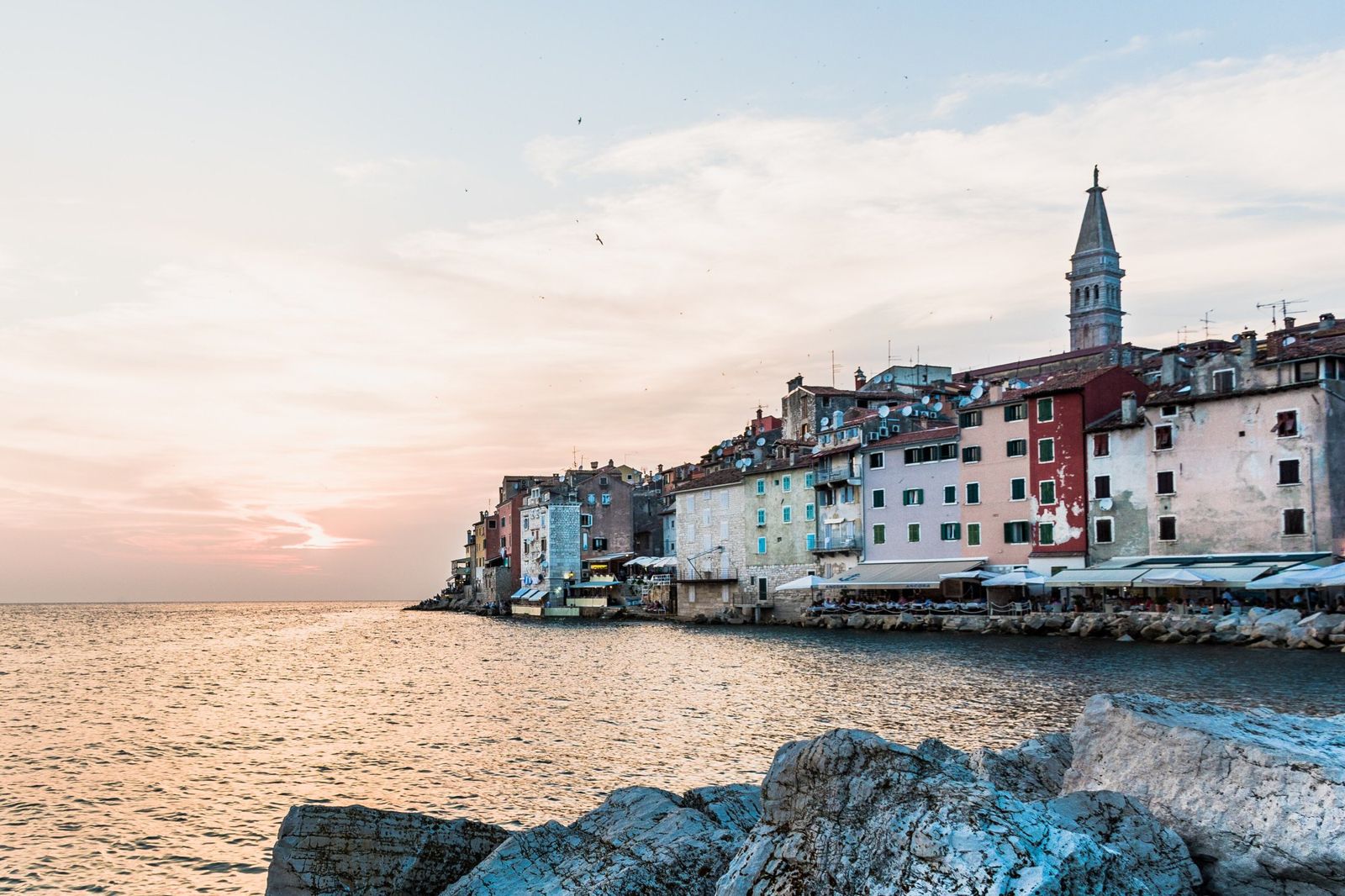
Paint in Istria has a hard life. Facades near the sea take salt spray, strong summer sun and the occasional bura wind that drives rain sideways into every crack. Inside, houses that stand empty for months collect humidity, and bathrooms in holiday rentals get far more use than a normal family bathroom. The good news: most problems come from choosing the wrong paint or skipping preparation, and both are easy to get right.
This guide covers what to use on different walls, when to schedule the work, how to prepare surfaces properly and what to do about mould. It is written for owners who are often abroad and want the job done once, not every second spring.
Why the coast is hard on paint
Three things work against paint on the Istrian coast. UV light fades strong colours and makes cheaper paints chalky. Salt carried by the wind settles on facades and railings, attracts moisture and speeds up corrosion on metal. Moisture, both from rain and from inside the walls, pushes paint off from behind. Old stone houses add a fourth factor: thick walls that need to breathe. If you seal them with the wrong product, the moisture stays trapped and the paint blisters and peels.
Inland, in hill towns like Motovun/Montona or Grožnjan/Grisignana, salt matters less, but winter damp, frost and bigger temperature swings take over. The principles below apply everywhere; only the emphasis changes. For a broader look at the weather, see how the Istrian climate affects your house.
Choosing the right paint for each surface
There is no single best paint. The right product depends on what the wall is made of and what it was painted with before.
- Old stone and lime-plastered walls. Use breathable, mineral-based paints such as lime or silicate paints. They let water vapour escape and age gracefully. Avoid thick plastic-based coatings on these walls; they often cause peeling and hide damp until it becomes a bigger problem.
- Newer houses with cement render. Good-quality facade paints (silicone-resin or acrylic facade paints) work well. They repel rain while still letting the wall breathe to a degree. Ask for products intended for exterior use and high UV exposure.
- Interior walls on plasterboard or cement plaster. A washable interior paint is sensible in rentals, especially in hallways, kitchens and around light switches where guests touch the walls.
- Bathrooms and kitchens. Use paints suited to humid rooms, often with anti-mould additives. They are not a substitute for ventilation, but they help.
- Wood shutters (škure), doors and pergolas. Use a proper exterior wood system: oil, stain or opaque wood paint, with a primer where needed. Wood near the sea needs a maintenance coat more often than people expect.
- Metal railings and gates. Remove rust thoroughly, apply an anti-corrosion primer and then a topcoat. On the coast, skipping the primer is the most common reason railings rust again within a year or two.
When to paint in Istria
Timing matters as much as the product. Most paints have a recommended temperature range on the tin, and very hot or very cold, wet weather shortens their life.
- Spring and autumn are usually the best time for exterior work: mild temperatures, less intense sun, and walls that are neither baking nor frozen.
- High summer is difficult outside. Paint dries too fast on a hot wall in direct sun, which can leave lap marks and weak adhesion. Many coastal towns also limit noisy building work during the tourist season, so check with your municipality before planning facade work and scaffolding in summer.
- Winter is fine for interior painting, especially in an empty holiday home. Exterior work in winter depends on dry spells and on the bura; damp walls should not be painted.
- Rentals are best repainted after the last guests leave in autumn or before the season starts, so the smell is gone and everything is fully dry before the first booking.
For more on planning around the seasons, read the best time of year to renovate in Istria.
Preparation: where the real work is
A good painter spends more time preparing than painting. When you compare quotes, look for preparation steps, not only the number of coats.
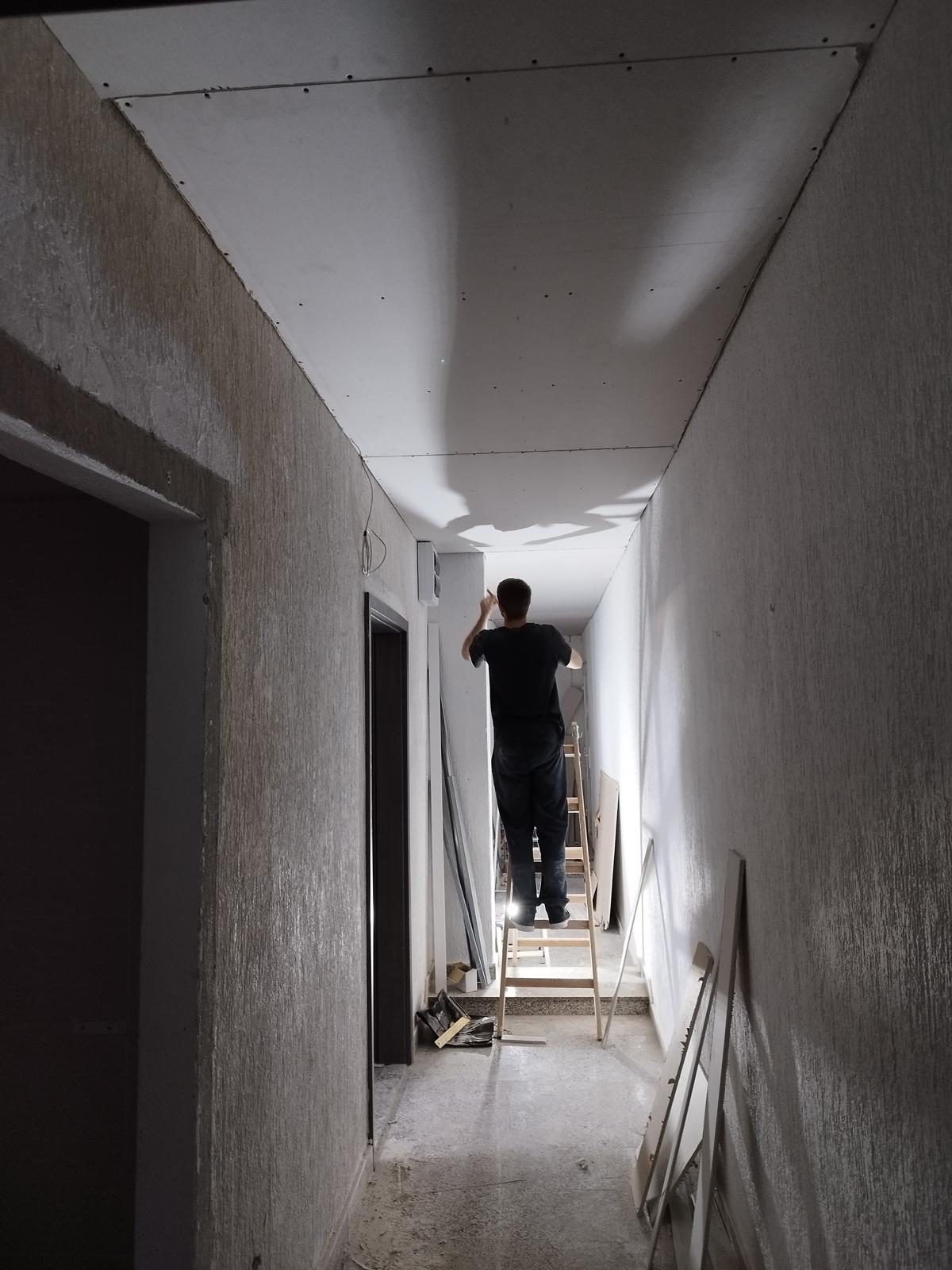
- Find and fix the cause of any damage. Peeling near the floor, cracks around windows or brown stains on the ceiling usually point to a moisture or leak problem. Painting over it only hides it for a few months.
- Remove loose material. Scrape off flaking paint, brush down salt deposits and dust, and wash facades where needed.
- Repair the substrate. Fill cracks, repair damaged plaster with a compatible material (lime on lime walls), and let repairs dry fully.
- Prime. Use a primer that matches the paint system. New plaster, repaired patches and absorbent surfaces need one so the paint dries evenly.
- Protect everything else. Floors, furniture, windows, stone details and plants should be covered. In a furnished rental this alone takes time.
Our painting service includes this preparation as part of the job, and where walls need more than filling, we bring in plasterers or a drywall team first.
Mould and damp: dealing with the cause
Black spots in corners, behind wardrobes or on bathroom ceilings are common in Istrian holiday homes. The house stands closed for months, warm humid air meets cold walls, and mould appears. Anti-mould paint helps, but only after the cause is dealt with.
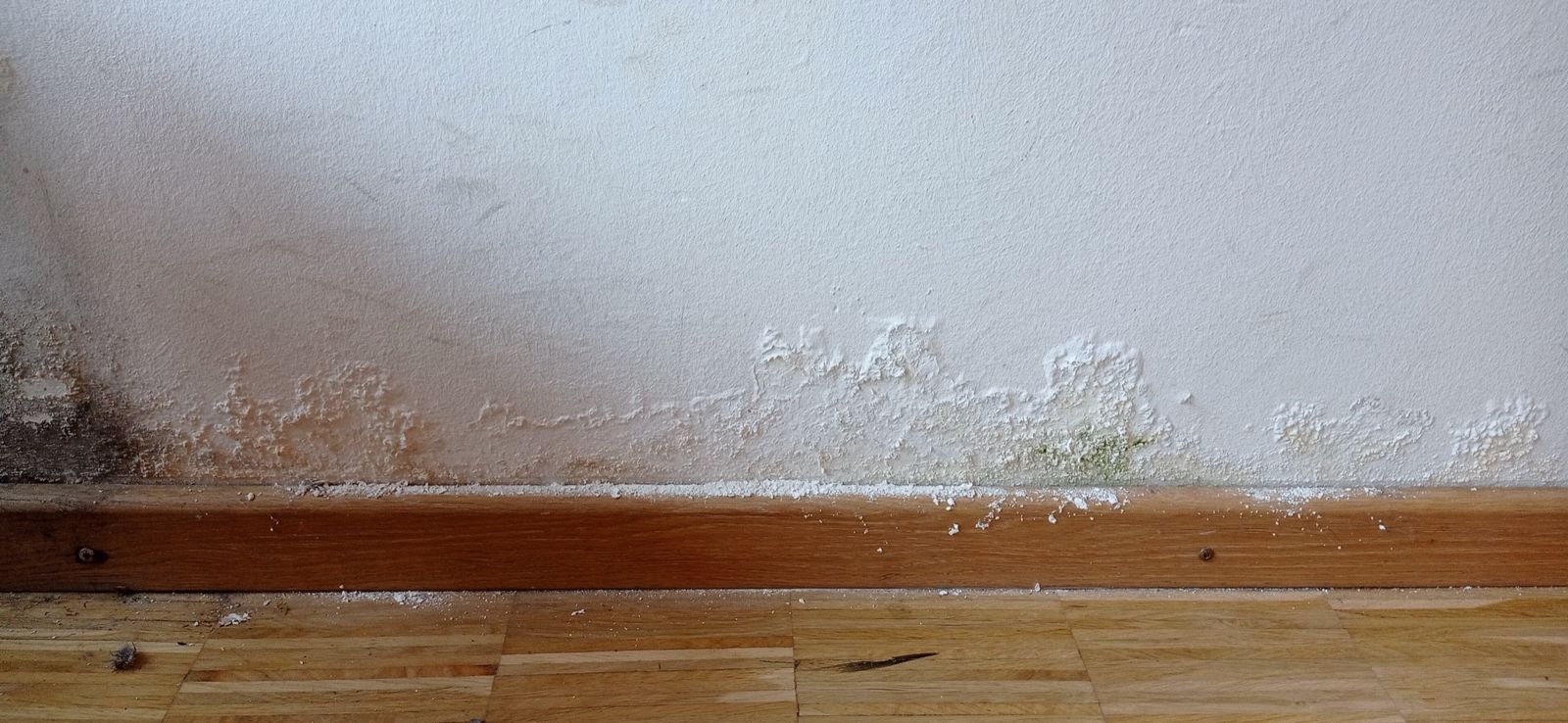
- Clean the mould properly with a suitable mould remover, let the surface dry, and only then repaint.
- Improve ventilation. Bathroom extractor fans, window vents and airing the house regularly make a big difference. If nobody is there, ask whoever looks after the house to open it up on dry days.
- Leave a gap behind furniture on outside walls so air can circulate.
- Check for leaks and rising damp. Mould low on stone walls is often a damp problem, not a paint problem. Our guide to damp in old stone walls explains the usual causes.
- Consider a dehumidifier in rooms that stay damp, especially in winter.
Painting a holiday home while you are abroad
Many of our clients are not in Istria when the work happens. That works well for painting, as long as a few things are agreed up front: colour codes (from a fan deck or the old paint), which rooms and surfaces are included, how furniture will be moved and protected, and who has the keys.
Send photos or a short video of the walls on WhatsApp and we can give you a rough price range before anyone visits. During the work you receive photo updates, and at the end a set of photos of the finished rooms. If painting is part of a bigger job, it fits naturally into a full house or apartment renovation or into pre-season preparation for your rental.
As for cost, painting is usually priced per square metre of wall and ceiling, and the price depends heavily on the condition of the surfaces, ceiling height, access and how much furniture there is. Our free renovation cost calculator gives you a first idea.
Planning to repaint your Istrian home, inside or out? Send us a few photos on WhatsApp and we will reply with a rough estimate and the best time to do it.
Frequently asked questions
What is the best exterior paint for a house near the sea in Croatia?
It depends on the wall. Old stone and lime-plastered walls need breathable mineral paints such as lime or silicate paint. Newer cement-rendered houses do well with good-quality silicone-resin or acrylic facade paints made for strong sun. Metal and wood need their own primer and topcoat systems.
When is the best time to paint a facade in Istria?
Usually spring or autumn, when temperatures are mild and walls are dry. High summer is too hot for good results in direct sun, and many coastal towns limit building work during the tourist season. Interior painting can be done in winter.
How often does a holiday rental need repainting?
There is no fixed rule. Busy rentals often need touch-ups in hallways, kitchens and bathrooms every season or two, and a full repaint less often. Washable paints and good ventilation stretch the interval.
Will anti-mould paint stop mould in my holiday home?
Only partly. It slows mould down, but the real fix is removing the cause: poor ventilation, condensation on cold walls, leaks or rising damp. Clean the mould, solve the cause, then repaint.
Can you paint my house while I am not in Croatia?
Yes. We agree colours, rooms and access in advance, send photo updates during the work and photos of the finished result. Keys can be left with a neighbour, an agent or in a key safe.