Renovating in Pula
- Old town: stone houses around the Forum and the Kaštel hill, where vehicle access is limited.
- City flats: Austro-Hungarian buildings and 1960s–80s blocks, where house rules and co-owners matter.
- Suburbs: family houses from the 1970s onwards, many with holiday apartments.
- Summer 2026: earthworks and structural work banned all day from 15 July to 15 August.
- Interior work such as painting, tiling and plumbing is generally not covered by the summer ban.
- Parking near the centre is scarce, so deliveries need to be planned.
What you find in Pula: from Roman lanes to 1970s houses
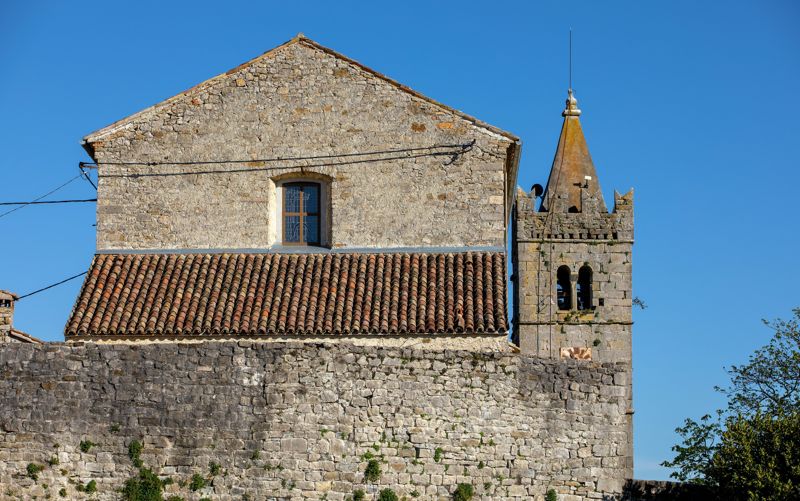
The old centre around the Forum and the Kaštel hill is made of stone houses, often narrow and tall, standing right next to Roman remains. Around it, the Austro-Hungarian period left solid apartment buildings and villas with high ceilings, timber floors and old shared installations. From the 1960s onwards the town grew with apartment blocks and then with family houses on its edges, in areas such as Šijana, Busoler or Valdebek, and many of those houses now have one or two holiday apartments.
Jobs owners in Pula ask for most
In flats, the usual jobs are bathroom and kitchen renovations, new electrics, replacing old pipes and laying new floors. In family houses it is often a refresh of the whole house: insulation, a new roof cover, a terrace, or splitting the house into apartments for rent. Before the season, rental owners need painting, small repairs and quick fixes between guests.
- Bathroom and kitchen renovation in flats and houses
- Electrical and plumbing upgrades in older buildings
- Painting, drywall and new floors
- Pre-season preparation and urgent repairs for holiday apartments
- Demolition and rubble removal before a bigger renovation
You describe the job, we pass it to vetted tradespeople from our network who work in Pula, and you agree the price and the details directly with them.
Working in Pula: access, neighbours and the summer rules
Parking in the centre is limited, so deliveries, skips and vans need planning, and in the old town materials are often carried in by hand. In apartment buildings the co-owners' house rules set quiet hours, and work on shared pipes or the facade usually needs their agreement. Old-town houses and buildings near monuments may fall under heritage protection: permits and old-town rules depend on the building, so check with a licensed architect or the town before changing anything outside.
For summer 2026, Pula banned earthworks and structural work across most of the city all day from 15 July to 15 August, with limited working hours from 1 to 14 July and from 16 to 31 August. Interior work such as painting, tiling or plumbing is generally not covered. Besides the city itself, tradespeople from our network also work in Štinjan, Šišan, Ližnjan, Valtura, Loborika and Marčana.
Tradespeople in Pula
We also cover
- Štinjan
- Šišan
- Ližnjan
- Valtura
- Loborika
- Marčana
Frequently asked questions
Can I renovate my flat in Pula in summer?
Interior work such as painting, tiling, plumbing and electrics is generally allowed. For 2026, Pula banned earthworks and structural work across most of the city all day from 15 July to 15 August, with limited hours in the rest of July and August. Your building's house rules and quiet hours still apply, and from 2027 such bans are limited to 60 days, so check the current decision.
Do I need a permit to renovate an old-town house in Pula?
It depends on the building and the work. Interior work such as a new bathroom usually involves less, while changes to the facade, windows, roof or structure in the protected centre often need approval. Permits and old-town rules depend on the municipality and the building, so check with a licensed architect or the town before you start.
Do I pay anything for being matched with a tradesperson?
No. The matching is free for you, and you agree the price directly with the tradesperson, the same price as if you had found them yourself. Tradespeople pay us a commission only when a job is completed.