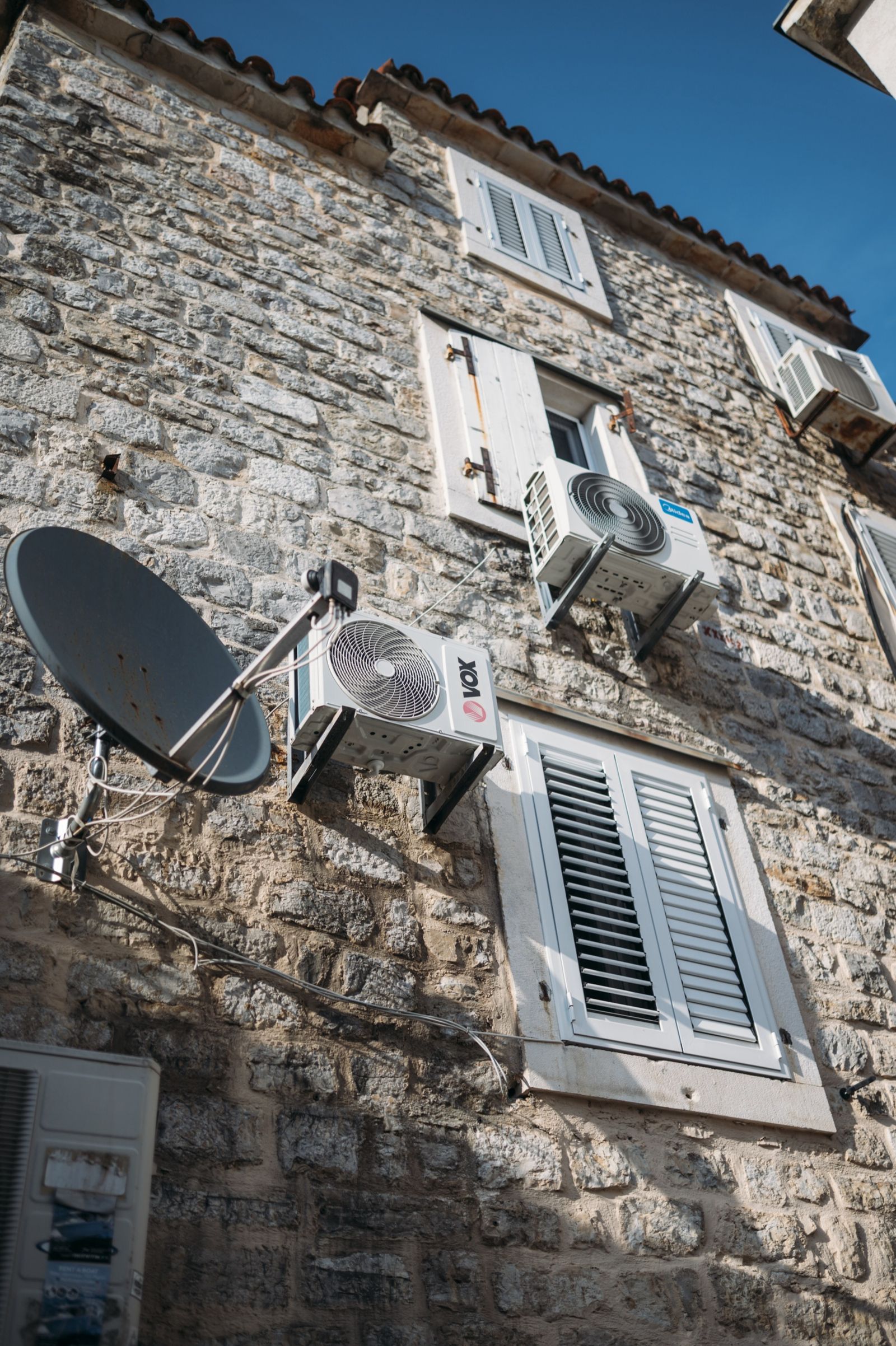
Many houses in Istria have electrical installations that were added to over decades: a few sockets in the 1960s, a water heater in the 1980s, an air conditioner hung on the facade more recently. In an old stone house the original wiring may be very old indeed. Often everything still works, until you add a dishwasher, a second air conditioner and guests charging four phones at once.
This guide explains the warning signs, what an upgrade usually involves and how to plan it, especially if you are not in Croatia while the work is done. Electrical work is not a DIY job and not a job for a general handyman. In our network it is always carried out by qualified electricians.
Signs that your installation needs attention
You do not need to be an expert to notice that something is wrong. These are the most common signs in older Istrian houses:
- Old fuse box with screw-in fuses or a mix of old and new breakers added over the years.
- No residual current device (the safety switch that cuts power if current leaks to earth, often called an RCD). In bathrooms, kitchens and outdoors this is an important protection.
- Sockets without earth, two-pin outlets, or adapters and extension leads everywhere.
- Breakers that trip when the oven, kettle and air-con run at the same time.
- Warm or discoloured sockets and switches, a burning smell, or flickering lights.
- Visible old cables with brittle insulation, surface-mounted wiring added later, or junctions hidden behind plaster without boxes.
- Outdoor lights and sockets that are not designed for outdoor use, especially near the pool or garden tap.
Capacity: air-con, heat pumps and holiday guests
Modern life in Istria uses far more electricity than these houses were designed for. Air conditioning in every bedroom, an induction hob, an electric water heater, a pool pump, a washing machine and dishwasher, and perhaps a heat pump or an electric car charger: together they can exceed what the old installation and the existing grid connection can safely deliver.
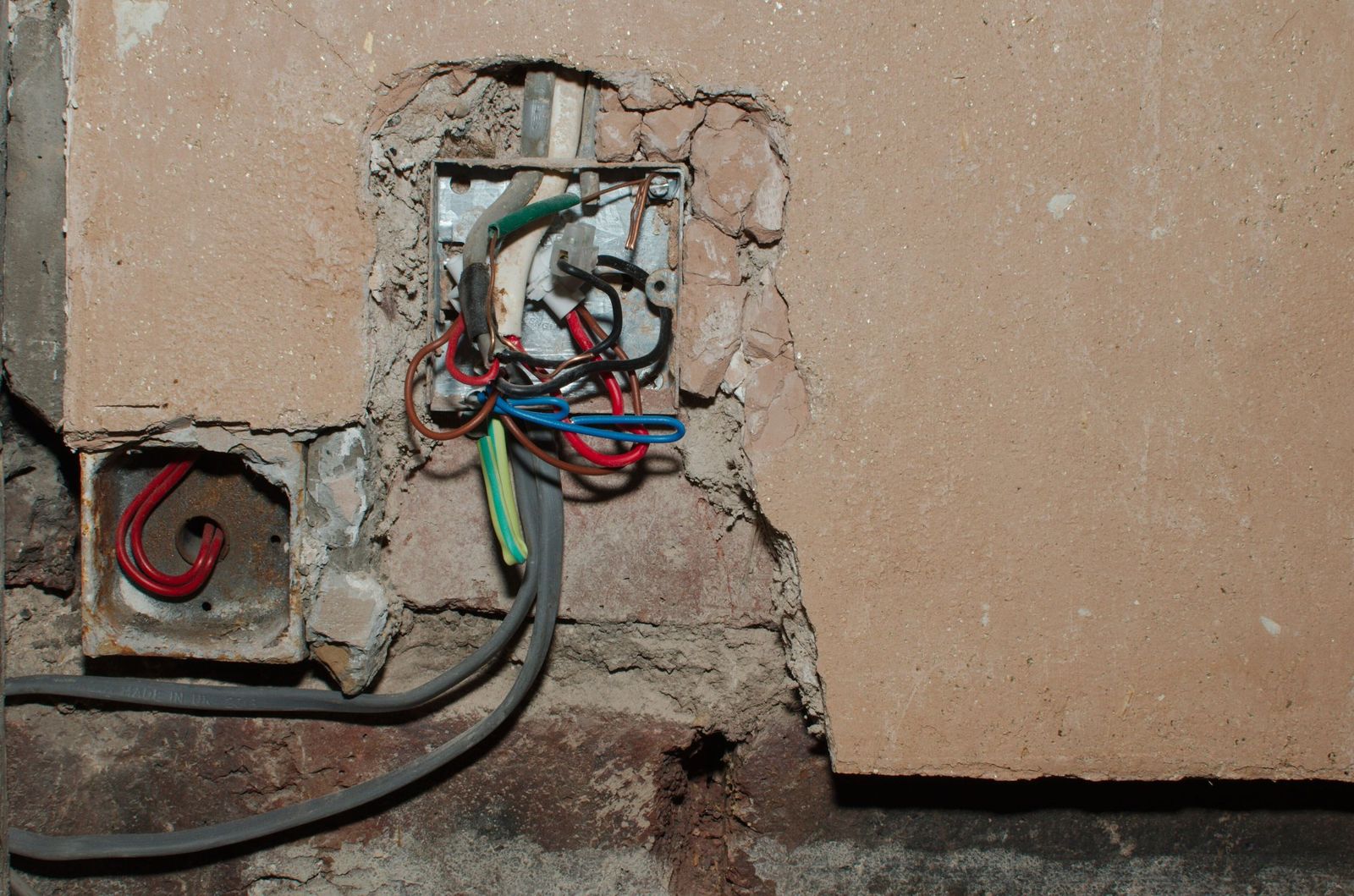
There are two separate questions. First, whether the wiring inside the house can carry the load: enough circuits, correct cable sizes, proper protection. Second, whether the connection to the grid is large enough. Increasing the connected power is arranged with the electricity distributor and involves paperwork and sometimes changes to the meter cabinet. A qualified electrician can tell you what your house currently has and what you would need.
If you are planning more units or more guests, our article on converting a house into holiday apartments covers how services change when one house becomes several apartments.
What an electrical upgrade usually includes
Every house is different, and the scope should come from an electrician's inspection, not from a guess. Typical elements are:
- A new distribution board with modern breakers and residual current protection, clearly labelled.
- Separate circuits for the kitchen, bathroom, water heater, air conditioners and outdoor areas, so one fault does not take down the whole house.
- New cables where the old ones are undersized, damaged or without earth.
- Proper earthing and equipotential bonding, particularly in bathrooms.
- More sockets where people actually need them: beside beds, at the kitchen worktop, for a TV and router, on the terrace.
- Outdoor installations with suitable fittings for sun, rain and salt air, and safe supply for pool equipment.
After the work, ask for documentation of what was done. It is useful later for insurance, for selling the house and for registering a rental.
Rewiring a stone house
Thick stone walls make rewiring slower than in a modern brick house. Chasing channels into stone is hard work, and in walls you want to leave exposed it is often not an option at all. Electricians therefore use a mix of solutions: routing cables through floors and ceilings, behind new drywall linings, in skirting or discreet surface conduits, and grouping several circuits along one route.
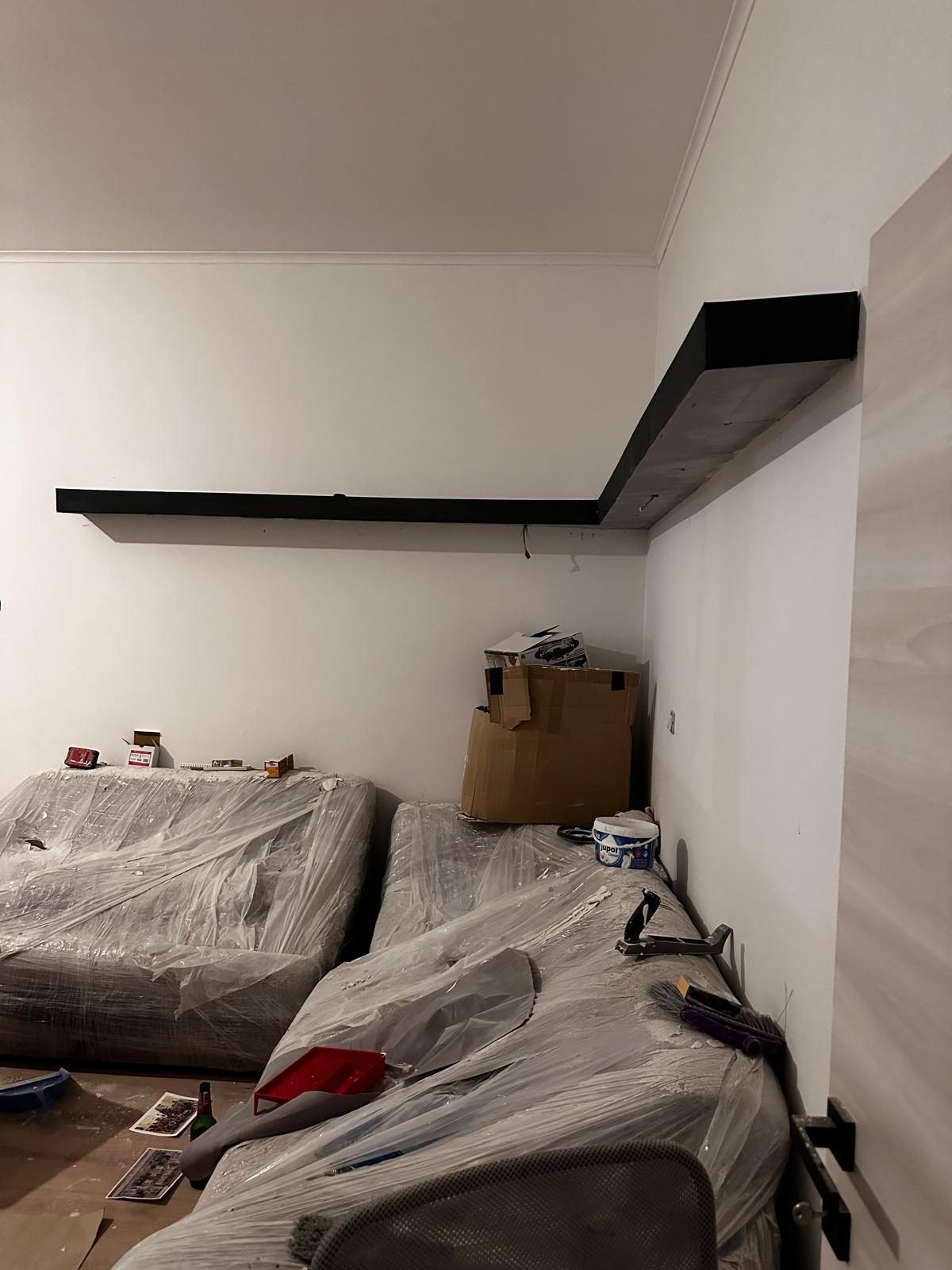
The best time to rewire is during a wider renovation, before new plaster, tiles and paint go on. If you are already planning a renovation, put the electrical plan first. New partitions and ceilings from our drywall team make it much easier to hide cables neatly. Our guide to renovating an Istrian stone house explains how services fit into the overall sequence.
Safety and rules in general terms
Electrical installations in Croatia are subject to technical regulations and standards, and work on them should be done by qualified electricians. Which documents and checks are needed depends on the scope: replacing a few sockets is different from a new installation or an increase in connected power. We do not give legal advice on this; ask your electrician or a licensed engineer what applies to your house, and the distributor about any change to the grid connection.
A few practical points that apply almost everywhere:
- Do not let anyone without the right qualification work on your distribution board.
- Keep bathrooms, outdoor areas and pools on circuits with residual current protection.
- Make sure the main switch and board are easy to find, and that your caretaker or rental manager knows where they are.
- In coastal houses, check outdoor fittings regularly; salt air corrodes contacts faster than people expect.
Planning the work from abroad
Electrical work fits well into the off-season, when the house is empty and power can be switched off for a day without inconveniencing guests. Start by sending us photos of your distribution board, the meter cabinet and any problem areas on WhatsApp. That gives us a first idea of the scope, and an electrician from our network then inspects the house and proposes what is needed.
Our electrical work is coordinated by one contact person, with photo updates during the job. If you rent the house out, we can combine it with pre-season preparation. For older family houses, see also modernising a 1970s–1990s house, and use our renovation cost calculator for a first rough idea of the overall budget.
Not sure whether your wiring is up to the job? Send photos of your fuse box and the problem spots on WhatsApp and we will arrange for a qualified electrician to take a look.
Frequently asked questions
How do I know if my old house in Croatia needs rewiring?
Common signs are an old fuse box, no residual current protection, sockets without earth, breakers that trip under normal use, warm sockets or a burning smell, and brittle old cables. A qualified electrician should inspect the installation and tell you what needs replacing.
Can my old house handle several air conditioners?
Not always. The wiring may need extra circuits and the grid connection may be too small for several air conditioners plus a water heater, kitchen and pool pump. An electrician can check both and advise whether an upgrade or a higher connected power is needed.
Can a stone house be rewired without damaging the walls?
Usually yes, with some planning. Electricians route cables through floors, ceilings, drywall linings and discreet conduits, and avoid chasing walls that should stay exposed. It is easiest during a wider renovation.
Do I need permission for electrical work in Croatia?
It depends on the scope. Small repairs differ from a new installation or a higher grid connection, which involves the electricity distributor. Ask your electrician or a licensed engineer what applies to your house.
Who does the electrical work?
Qualified electricians from our network. We coordinate the job, keep you updated with photos and make sure you receive documentation of the work.