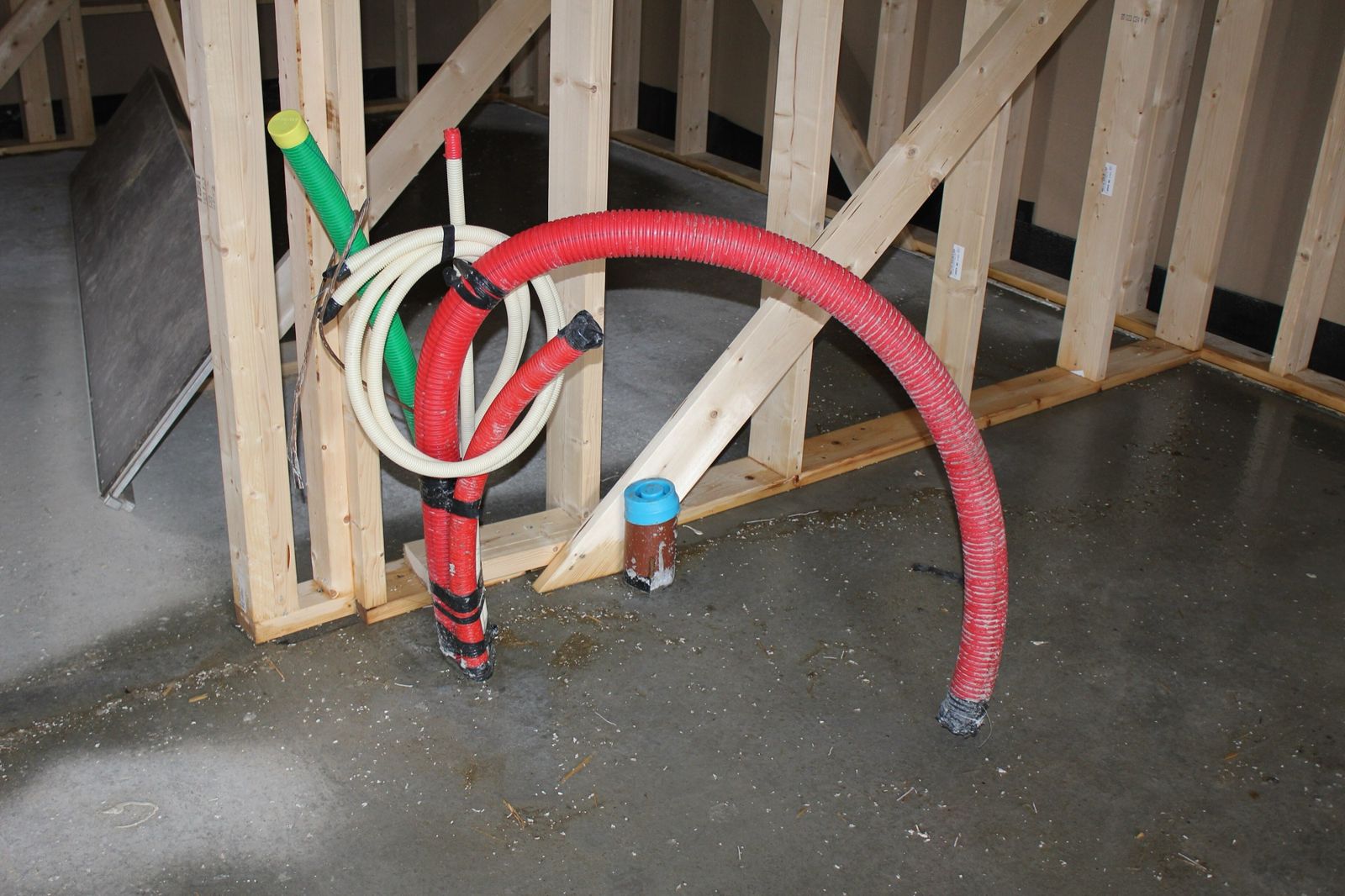
Buying an older house in Istria usually means inheriting its plumbing, and often several generations of it. A stone farmhouse may have had running water brought in decades after it was built, a bathroom added in the 1980s and a kitchen moved again later. The result is a mix of pipe materials, hidden joints and drains with too little fall.
None of this is unusual. Below are the problems we see most often, the warning signs, and when a repair is enough or a replacement makes more sense.
Old pipes: galvanised steel, mixed materials and hidden joints
Many houses built or modernised between the 1960s and the 1980s still have galvanised steel water pipes. Over the decades they corrode from the inside and slowly narrow. Later repairs often added copper or plastic sections, sometimes joined straight onto the old steel, and those joints are where trouble tends to start.
- Brown or rusty water when you open the taps after the house has stood empty.
- Weak flow upstairs or at the tap furthest from the meter.
- Damp patches on a wall or on the ceiling below a bathroom.
- The water meter moving while every tap in the house is closed.
Patching one leak is fine. But if the house is plumbed in old steel throughout, replacing the supply lines in one go is usually the better use of money, especially when you are already redoing a bathroom or kitchen and the walls are open anyway. Modern installations normally use multilayer composite or PPR plastic pipes, which do not rust and cope well with hard water.
Hard water and limescale
Istria sits on limestone, and in many places the tap water is hard. You notice it as white crust on taps and glass, shower heads that slowly clog, and water heaters whose heating element fails earlier than expected.
- Water heater. Have it descaled and the anode checked from time to time, more often in a busy rental.
- Taps and showers. Choose fittings with rub-clean nozzles and standard replaceable cartridges, so a stiff mixer is a quick swap rather than a new tap.
- Softener or scale filter. A unit at the main inlet protects the whole house, but it needs space, maintenance and, for salt softeners, regular refills. For a house you use a few weeks a year, a simpler filter in front of the water heater is often easier to live with.
Limescale also affects design choices. Dark tiles and large frameless glass screens show every drop, which matters in a holiday rental cleaned between guests. Our guide to bathroom renovation for a holiday home covers materials that stay presentable with less effort.
Drains, smells and too little fall
Old drains are often narrow, run a long way with very little slope and have no proper venting. Typical symptoms are gurgling sinks, a shower that drains slowly and a smell in the bathroom. If you want to move a bathroom or add a new one, the first question is always whether the waste pipe can reach the existing drain with enough fall.
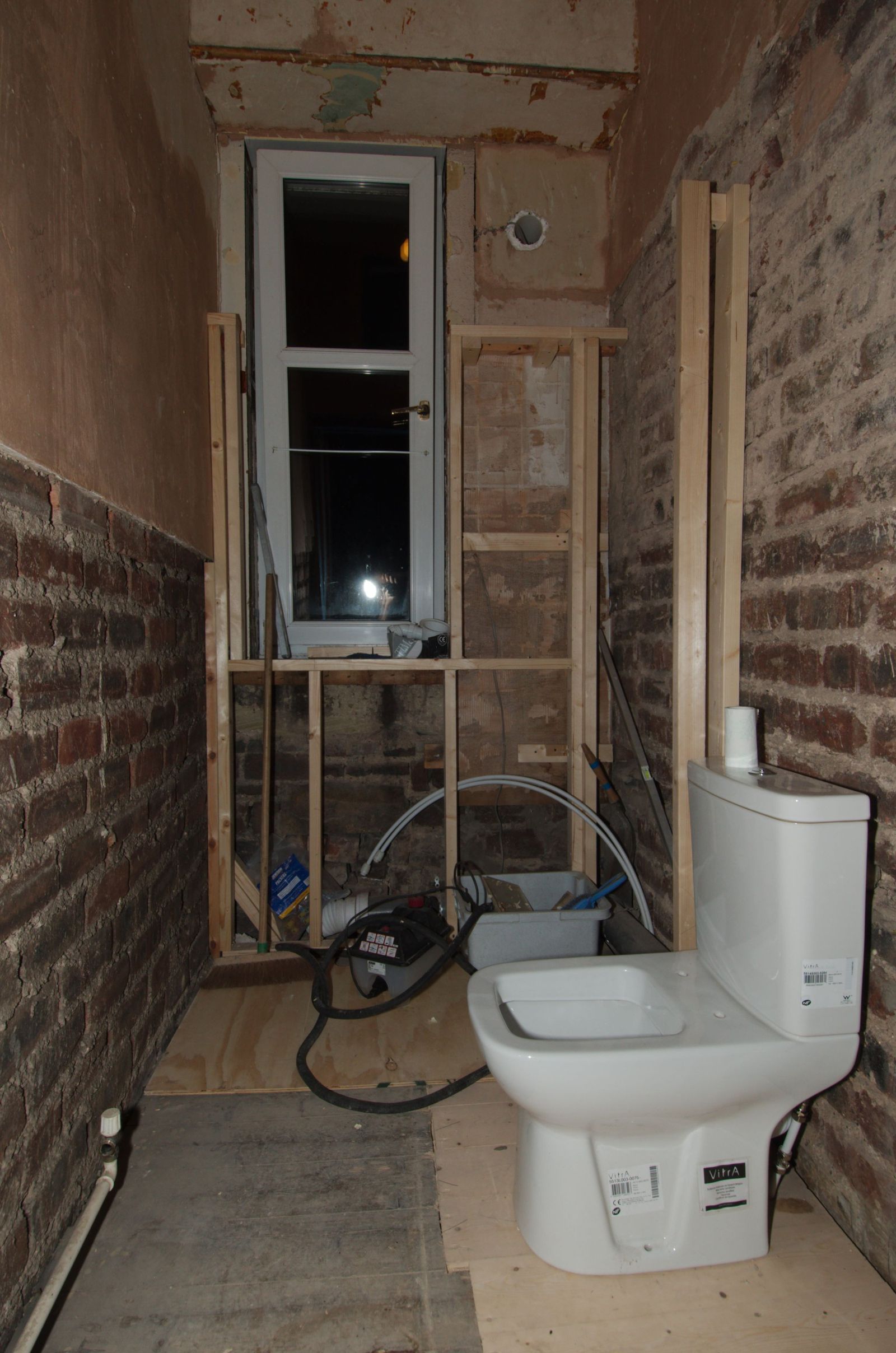
In a stone house with stone or concrete floors that can mean cutting a channel or raising part of the floor, which affects ceiling heights and door thresholds.
A smell on arrival in a house that has been closed for months is often just dried-out traps. Run every tap, shower and floor drain and flush the toilets. If the smell stays, the cause is more likely missing venting or a cracked pipe, and a plumber should look at it.
Septic tank, sewer connection and old cisterns
In towns, most houses are connected to the public sewer. In villages and the countryside many older houses still rely on a septic tank or a sealed cesspit, while some areas have been connected in recent years. When buying, ask clearly which system the house uses, where the tank is, roughly how big it is, when it was last emptied and whether a sewer connection is available or planned. The local utility or the municipality can usually tell you, and the rules for tanks and connections depend on the municipality.
- Have the tank emptied regularly by a licensed service, and more often if the house is rented to guests.
- Keep wipes, fat and cooking oil out of the drains; they cause most blockages.
Many old stone houses also have a cistern that once collected rainwater from the roof. It can be useful for watering the garden, but do not connect it to the drinking water installation without a plumber checking it first.
Water heaters: size, position and empty-house risks
Most houses in Istria use an electric storage water heater. Old ones are often full of scale, have corroded tanks or a safety valve that no longer works. The safety valve should drip occasionally while heating, so it needs a small pipe to a drain rather than onto the floor.
For a rental, size matters more than at home: four guests showering one after another after a day at the beach will empty a small tank. Options include a bigger tank, two separate heaters, a heat pump water heater or solar heating where the roof allows. A larger heater may need a new circuit, which should be done by a qualified electrician.
Position matters too. A heater in the attic above a bedroom will do real damage if it ever leaks. Where possible, put it over a tray or a floor drain.
Frost and the empty house in winter
Inland Istria and the hill towns get frosty nights, and a cold bura can bring a sharp drop on the coast too. Pipes in unheated outbuildings, in exposed outside walls and garden taps are the ones that freeze and split. Before you close the house for winter, shut the main valve, drain outside taps and consider draining the whole system. Our article on looking after a holiday home between seasons has a full checklist.
Repair or replace? How we usually decide
As a rule of thumb, we look at four things:
- Pipe material and age. One old leak in modern pipe is a repair; rusting steel everywhere is a replacement.
- Other work planned. If walls and floors are opening anyway, replacing pipes now costs a fraction of doing it later.
- How the house is used. A rental needs reliability and enough hot water more than a house you visit twice a year.
- Access. Thick stone walls and stone floors make some routes impractical, so pipes may run in drywall linings or boxed channels instead.
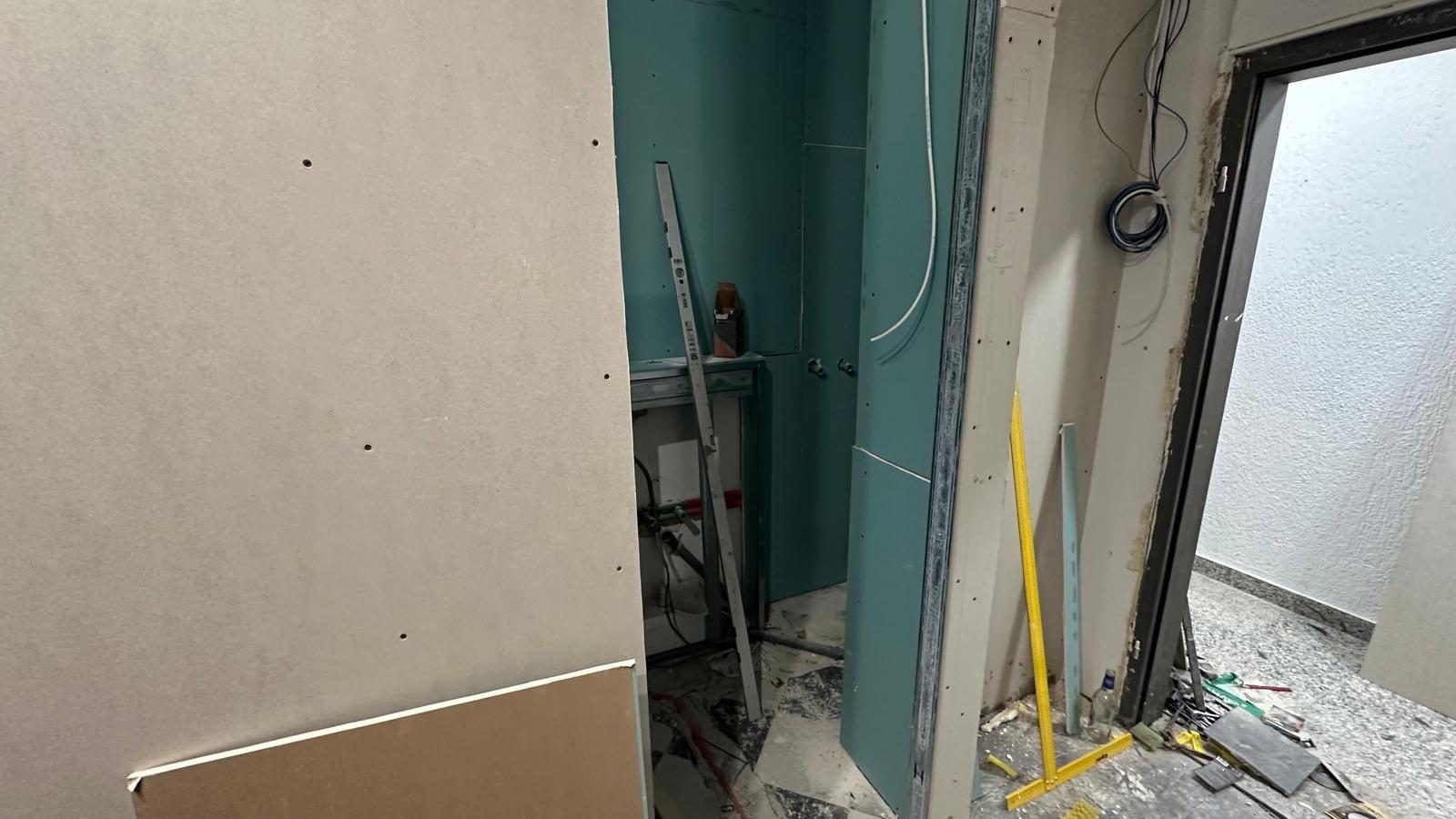
That last point is common in old houses: rather than chasing deep channels into stone, new pipes are often hidden behind a moisture-resistant drywall lining, which also gives a straight wall for tiling. If you are wondering whether a wet patch is a leak or rising damp, our guide to damp in old stone walls explains how to tell the difference. For the wider picture, see renovating an Istrian stone house.
We coordinate plumbing work on its own or as part of a bathroom renovation, bringing in the right plumber from our network for the job. For a rough idea of costs before anyone visits, try the free renovation cost calculator.
Send us photos or a short video of your bathroom, kitchen, water heater and meter on WhatsApp, and we will give you a rough price range and tell you what we would check first.
Frequently asked questions
Is tap water in Istria hard?
In many places, yes. Istria is limestone country and much of the water is hard, which means limescale in water heaters, taps and appliances. Hardness varies by source, so ask the local water supplier if you need exact figures.
How do I know if a house has a septic tank or a sewer connection?
Ask the seller directly, look for tank lids in the garden or courtyard, and check with the local utility or the municipality. In towns most houses are on the sewer; in villages many older houses still use a septic tank.
Should I replace all the pipes in an old house?
If the house has old galvanised steel pipes throughout and you are renovating anyway, replacing the supply lines in one go is usually sensible. If the pipes are modern and only one section leaks, a repair is enough.
Why does the bathroom smell when we arrive after winter?
Usually the water in the traps has evaporated and lets sewer air through. Run every tap, shower and floor drain and flush the toilets. If the smell persists, have a plumber check the venting and the drain pipes.
How much does it cost to replace the plumbing in an old house?
It depends on the size of the house, the number of bathrooms, the pipe routes and how much wall and floor has to be opened and repaired. Use our free cost calculator for a rough range, then send photos for a more specific estimate.